
Parenting is a journey filled with precious moments, and carrying your baby close is one of the most rewarding experiences. However, without the right carrier, it can quickly turn into a painful ordeal for both you and your little one. An ergonomic baby carrier is designed to distribute weight evenly, support your baby’s natural posture, and keep you comfortable during long wearing sessions.
I remember the first time I tried babywearing with a non-ergonomic carrier. Within minutes, my back ached, and my baby fussed from discomfort. Switching to an ergonomic carrier changed everything. This guide will help you understand the ergonomic baby carrier benefits and how to choose the perfect one for everyday use.
Why an Ergonomic Baby Carrier Is a Must-Have
An ergonomic baby carrier is more than just a convenience—it’s a tool for healthy development and comfort. According to the International Hip Dysplasia Institute, proper positioning in a carrier supports healthy hip and spine development in babies. Ergonomic carriers keep your baby in a natural, seated position with their knees higher than their bottom, mimicking the way you would hold them in your arms.
For parents, an ergonomic carrier distributes your baby’s weight evenly across your hips and shoulders. This reduces strain on your back and neck, allowing you to carry your baby for longer periods without discomfort. Additionally, these carriers often feature padded straps and waistbands, further enhancing comfort.
Ergonomic carriers also promote bonding. The close contact helps regulate your baby’s temperature, heartbeat, and breathing, while also fostering emotional connection. This is especially beneficial for premature babies or those with special needs.
Key Features to Look for in an Ergonomic Baby Carrier
Adjustable Seat and Back Support
The seat of the carrier is one of the most critical features. It should be wide enough to support your baby’s bottom and thighs, allowing their knees to spread apart naturally. This position, known as the “M-position,” is ideal for hip development and prevents discomfort.
Look for a carrier with an adjustable seat that can grow with your baby. Newborns need a narrower seat, while older babies require more space. Additionally, the back support should be high enough to cradle your baby’s spine, ensuring they maintain a natural, rounded posture.
Padded and Adjustable Straps
Comfort for the parent is just as important as comfort for the baby. Padded shoulder straps help distribute weight evenly, reducing strain on your shoulders and back. The straps should be adjustable to fit your body type, whether you’re petite or plus-size.
Some carriers offer crossable straps, which can be worn in an X across your back or parallel for added support. This versatility allows you to customize the fit based on your preference and carrying position. Additionally, a padded waistband can help transfer some of the weight to your hips, further reducing back strain.
Breathable and Durable Fabric
The fabric of your baby carrier plays a significant role in comfort and durability. Look for carriers made from breathable materials like cotton, linen, or mesh. These fabrics allow air to circulate, keeping you and your baby cool, especially in warm weather.
Durability is also important. Reinforced stitching and high-quality materials ensure the carrier can safely support your baby’s weight. Avoid carriers with thin or flimsy fabric, as they may not provide adequate support or last through extended use.
Types of Ergonomic Baby Carriers
Soft-Structured Carriers
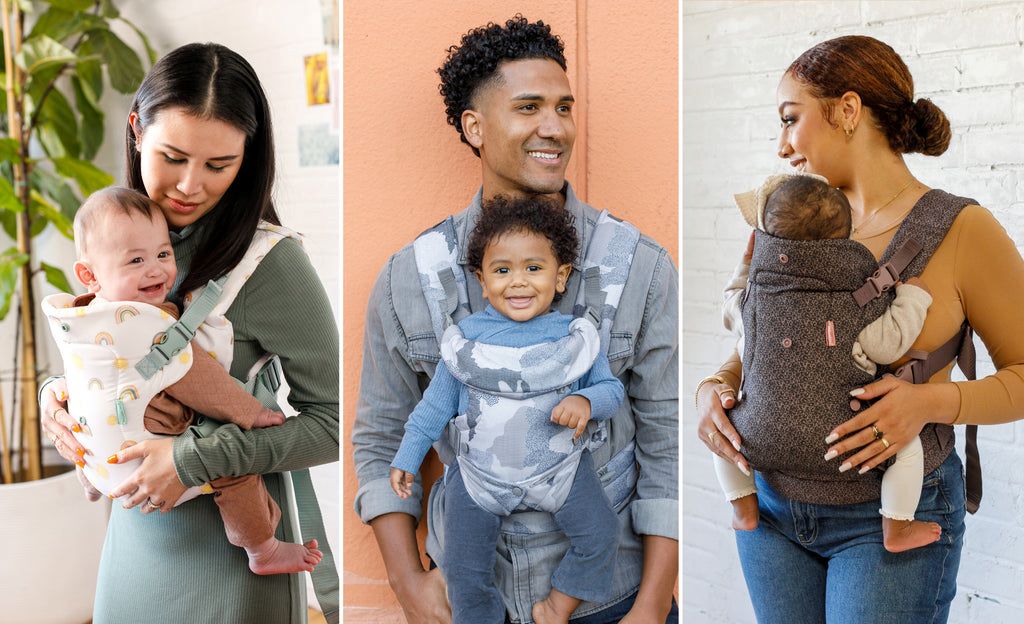
Soft-structured carriers are a popular choice for everyday use. They feature a structured waistband and padded shoulder straps, providing excellent support for both parent and baby. These carriers are easy to use and can be adjusted to fit a variety of body types.
Soft-structured carriers are versatile and can be used for front, hip, and back carrying. They are also easy to put on and take off, making them a convenient option for busy parents. However, they may not be as breathable as other types of carriers, so look for ones made from lightweight, breathable fabrics.
Wrap Carriers
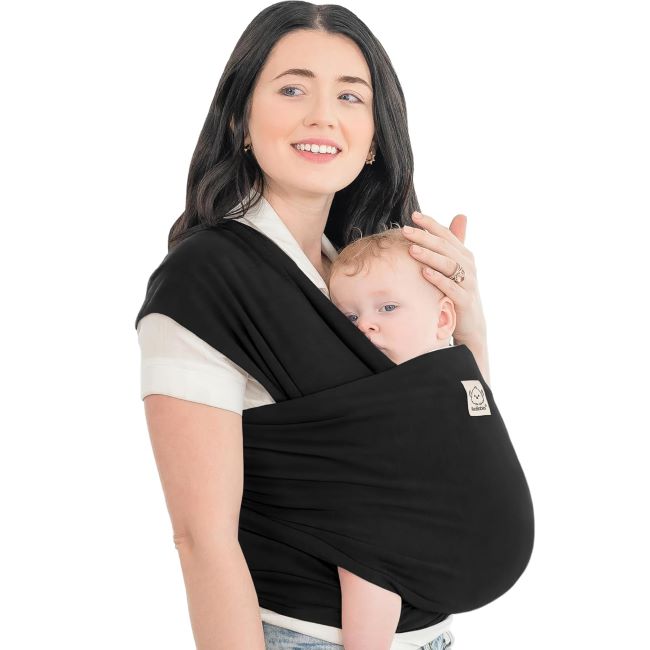
Wrap carriers are long pieces of fabric that you tie around your body to create a secure pocket for your baby. They are highly adjustable and can fit a wide range of body sizes, making them a great option for parents of all shapes and sizes. Wraps distribute your baby’s weight evenly across your back and shoulders, reducing strain.
However, wraps can be tricky to use at first, as they require some practice to tie correctly. They also come in different lengths, so be sure to choose one that is long enough to wrap around your body comfortably. Additionally, wraps made from stretchy fabric may not provide enough support for heavier babies, so opt for a woven wrap if you need more stability.
Mei Tai Carriers
Mei Tai carriers are a hybrid between a soft-structured carrier and a wrap. They feature a rectangular body with four straps—two for the waist and two for the shoulders. Mei Tais are easy to adjust and can be tied in various ways to fit your body and carrying position.
These carriers are lightweight and compact, making them ideal for travel or quick outings. They also offer excellent support for both parent and baby. However, they may not be as padded as soft-structured carriers, so consider adding a waistband for extra comfort.
How to Ensure a Proper Fit for You and Your Baby
A proper fit is crucial for both your comfort and your baby’s safety. Start by adjusting the waistband so it sits snugly around your waist, just above your hips. The waistband should be tight enough to support your baby’s weight but not so tight that it digs into your skin.
Next, adjust the shoulder straps so they fit snugly against your body. If the carrier has crossable straps, cross them over your back for added support. Ensure the straps are not too loose, as this can cause your baby to slump in the carrier.
Finally, check your baby’s position. Their knees should be higher than their bottom, and their back should be in a natural, rounded position. Their chin should be off their chest to ensure their airway remains open. If your baby is a newborn, ensure their head and neck are well-supported.
Common Mistakes to Avoid When Choosing an Ergonomic Baby Carrier
One of the biggest mistakes is choosing a carrier based solely on price. While budget is important, a cheap carrier may not offer the support or durability you need. Instead, focus on quality and fit to ensure you’re getting a product that will last.
Another common mistake is ignoring the weight limit. All carriers have a maximum weight limit, so be sure to choose one that can safely support your baby’s weight. Additionally, avoid carriers with non-adjustable straps or waistbands, as they may not fit comfortably.
Lastly, don’t overlook the return policy. Even the best carriers may not suit everyone, so a trial period allows you to test the carrier at home. If it doesn’t meet your expectations, you should be able to return it without hassle.
Personal Experience: Finding the Perfect Ergonomic Carrier
When my second child was born, I was determined to find a carrier that would allow me to carry her comfortably for hours. After trying several options, I settled on a soft-structured ergonomic carrier with padded straps and an adjustable seat. The difference was incredible.
The carrier distributed my baby’s weight evenly, and the padded straps prevented shoulder strain. I could carry her for hours without discomfort, and she loved being close to me. The ergonomic design kept her in a safe and comfortable position, allowing her to nap peacefully. It also grew with her, so I didn’t need to buy a new carrier as she got bigger.
If you’re in the market for a baby carrier, I highly recommend investing in an ergonomic option. It’s a small change that can make a big difference in your comfort and your baby’s happiness.
Conclusion
Choosing the right ergonomic baby carrier can transform your babywearing experience. By focusing on features like adjustable seats, padded straps, and breathable fabric, you can find a carrier that offers comfort and safety for both you and your baby. Remember, the best carrier is one that fits well and meets your unique needs.
If you’ve found an ergonomic baby carrier that works for you, share your experience in the comments below. Or, if you’re still searching, pass this guide along to someone who might benefit from a comfortable and supportive carrier. Here’s to happy babywearing and many precious moments with your little one!
FAQs
What is an ergonomic baby carrier?
An ergonomic baby carrier is designed to support your baby’s natural posture, with their knees higher than their bottom and their spine in a rounded position.
Are ergonomic baby carriers safe for newborns?
Yes, as long as the carrier provides proper head and neck support and keeps your baby in an ergonomic position.
How do I know if a baby carrier fits properly?
A properly fitted carrier should have a snug waistband, adjusted shoulder straps, and an ergonomic position for your baby with their knees higher than their bottom.
Can I use an ergonomic baby carrier for back carrying?
Yes, many ergonomic carriers support back carrying, but always ensure your baby is in a safe and comfortable position.
What is the weight limit for ergonomic baby carriers?
Weight limits vary by carrier, but most can safely support babies up to 35–45 pounds. Always check the manufacturer’s guidelines.