
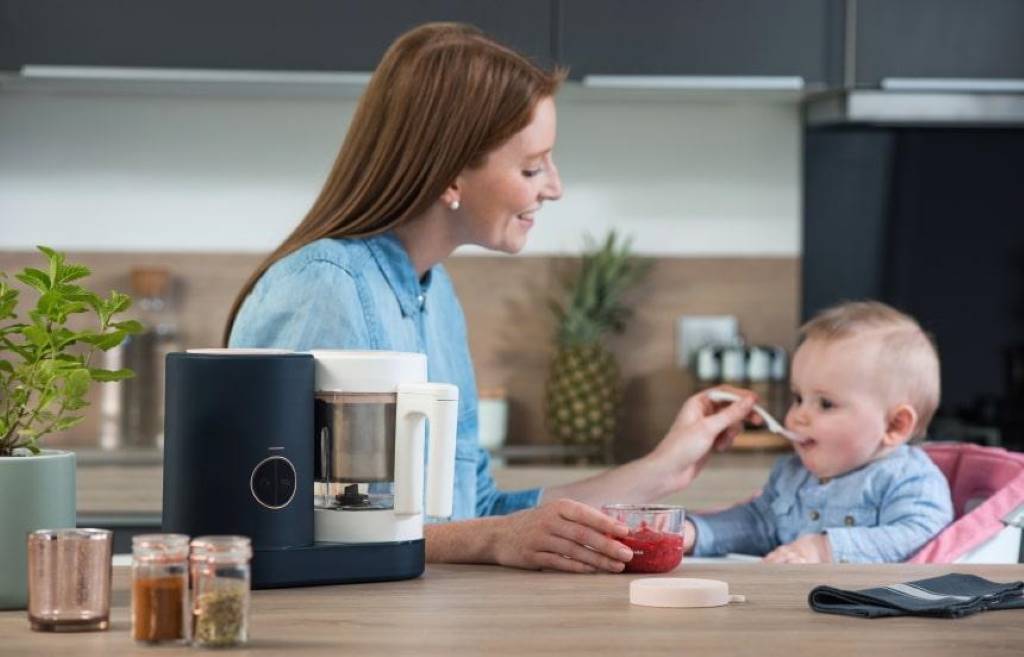
Feeding your baby fresh, homemade food gives you full control over nutrition and ingredients. In fact, the Centers for Disease Control and Prevention notes that early nutrition plays a key role in long term health and development. Meanwhile, research published by the American Academy of Pediatrics highlights that introducing a variety of whole foods early can support healthy eating habits later in life. That is why many parents now turn to baby food makers. These devices simplify preparation while helping you create fresh, balanced meals at home.
Choosing the right baby food maker can feel overwhelming. However, once you understand what to look for, the process becomes much easier. This guide walks you through everything you need to know so you can make a confident and informed choice.
Why Choose a Baby Food Maker Instead of Store Bought Options
Homemade baby food offers several advantages that go beyond cost or convenience. First, you control every ingredient. That means no added sugar, salt, or preservatives. As a result, your baby gets cleaner and healthier meals.
Additionally, homemade food allows you to introduce a wider range of flavors. Babies who experience diverse tastes early often become less picky eaters. This can make mealtime easier as they grow.
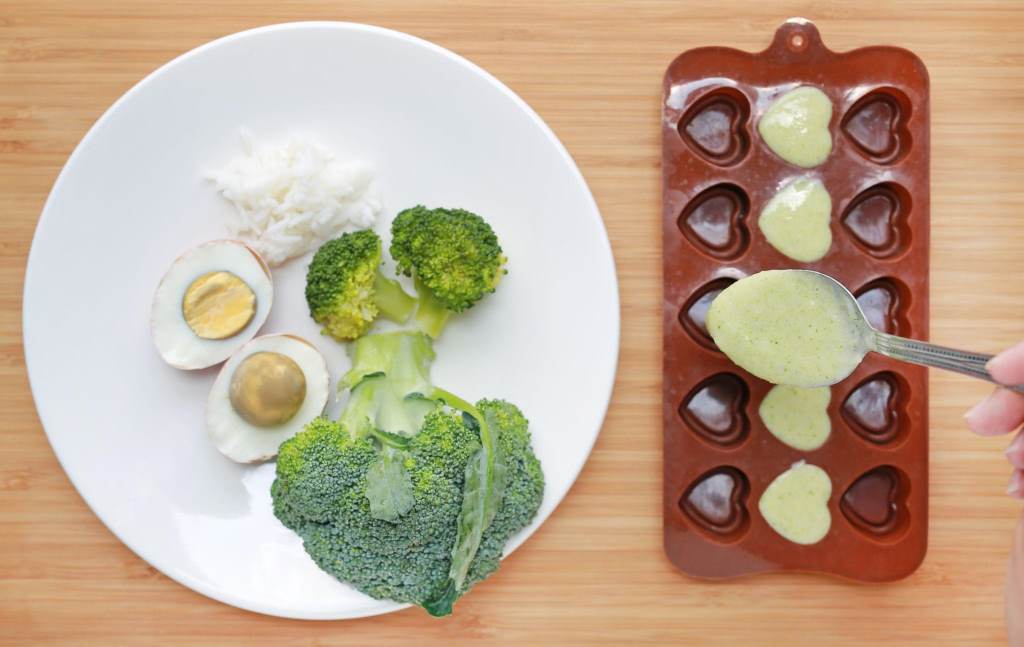
Moreover, baby food makers save time. Instead of juggling multiple kitchen tools, you can steam, blend, and serve using one device. Therefore, even busy parents can prepare nutritious meals without stress.
Key Features to Look for in the Best Baby Food Maker
1. All in One Functionality
An all in one baby food maker combines steaming and blending in a single unit. This feature saves time and reduces cleanup. Instead of transferring hot food between devices, you complete the entire process in one container.
Look for machines that allow:
- Steaming vegetables, fruits, and proteins
- Blending to different textures
- Reheating or defrosting food
This versatility ensures the device grows with your baby’s needs.
2. Capacity and Portion Size
Capacity matters depending on your routine. If you prefer batch cooking, choose a larger bowl size. On the other hand, smaller units work well for daily fresh meals.
Consider these factors:
- Single serving preparation
- Batch storage for freezing
- Family use beyond baby food
Choosing the right size helps reduce waste and improves efficiency.
3. Ease of Cleaning
Cleaning is often the biggest concern for parents. Therefore, select a baby food maker with dishwasher safe parts. Smooth surfaces and fewer components also make cleaning easier.
A good design should:
- Prevent food from getting stuck
- Allow quick disassembly
- Resist staining and odors
Because hygiene is critical for infants, this feature should never be overlooked.
Types of Baby Food Makers
Traditional Blender Style
These machines function like standard blenders but are designed for baby food. They are simple and reliable. However, they often require separate cooking steps.
Steamer Blender Combo
This type is the most popular choice today. It steams and blends in one unit, saving time and effort. Therefore, it suits busy parents who want convenience without sacrificing nutrition.
Manual Food Processors
Manual options require more effort but offer full control. They are also portable and do not need electricity. However, they may not be ideal for frequent use.
Each type serves a different purpose. Your choice depends on your lifestyle and how often you plan to prepare homemade meals.
Safety Features You Should Never Ignore
Safety plays a crucial role when selecting a baby food maker. Since you are dealing with heat and sharp blades, proper safety mechanisms are essential.
Look for:
- Automatic shut off during overheating
- Secure locking lids
- BPA free materials
- Stable, non slip base
These features protect both you and your baby. Additionally, they ensure the machine operates smoothly without accidents.
Texture Control for Different Growth Stages
As your baby grows, their food texture needs change. Therefore, a good baby food maker should offer multiple blending settings.
You will need:
- Smooth purees for early stages
- Slightly chunky textures for transitioning
- Coarser blends for older babies
Having control over texture helps your baby adapt to solid foods gradually. This supports proper chewing and digestion development.
Time Saving Features That Matter
Parents often choose baby food makers for convenience. Therefore, time saving features can make a big difference.
Helpful features include:
- One touch operation
- Pre programmed settings
- Fast steaming cycles
- Minimal prep requirements
These functions allow you to prepare meals quickly, even during a busy day.
Storage and Meal Planning Tips
Preparing baby food in advance can simplify your routine. However, proper storage is essential to maintain freshness and safety.
Follow these tips:
- Use airtight containers or freezer trays
- Label meals with dates
- Store portions in small sizes
- Reheat only what you need
By planning meals ahead, you reduce daily workload while ensuring your baby always has healthy options.
Common Mistakes to Avoid When Choosing a Baby Food Maker
Many parents rush their decision and regret it later. Avoid these common mistakes:
- Choosing based only on appearance
- Ignoring cleaning difficulty
- Overlooking safety features
- Buying too small or too large capacity
- Skipping user reviews and feedback
Instead, focus on functionality and long term usability. A thoughtful choice ensures better results and less frustration.
How to Match a Baby Food Maker to Your Lifestyle
Every family has different needs. Therefore, the best baby food maker for you depends on your routine.
If you are a working parent, choose:
- Fast operation
- Easy cleaning
- Batch cooking capability
If you prefer fresh meals daily, look for:
- Smaller capacity
- Quick prep features
- Simple controls
If you travel often, consider:
- Compact design
- Lightweight build
- Manual options
Matching the device to your lifestyle ensures you actually use it consistently.
Real Life Example
Consider a busy parent who prepares meals every weekend. They use a steamer blender combo to cook vegetables, fruits, and proteins in batches. Then, they store portions for the week.
As a result:
- They save time daily
- Their baby gets fresh meals
- They reduce reliance on processed food
This approach shows how the right baby food maker supports both convenience and nutrition.
Conclusion
Choosing the best baby food maker does not need to be complicated. Focus on functionality, safety, and ease of use. Consider how often you will use it and what features matter most to your routine. A well chosen device helps you prepare fresh, nutritious meals with less effort. Start by identifying your needs, compare options carefully, and invest in a tool that supports your baby’s healthy growth. Take action today and make homemade baby food a simple part of your daily life.
FAQs
What is the best type of baby food maker for beginners
A steamer blender combo works best for beginners. It simplifies the process by combining cooking and blending in one unit.
How often should I make homemade baby food
You can prepare food daily or in batches. Many parents prefer batch cooking once or twice a week for convenience.
Is homemade baby food healthier than store bought
Homemade food allows full control over ingredients. Therefore, it often contains fewer additives and more nutrients.
Can I use a regular blender instead
Yes, but you will need to cook food separately. A baby food maker simplifies the process and saves time.
How long can homemade baby food be stored
You can store it in the refrigerator for up to three days. For longer storage, freezing is recommended.