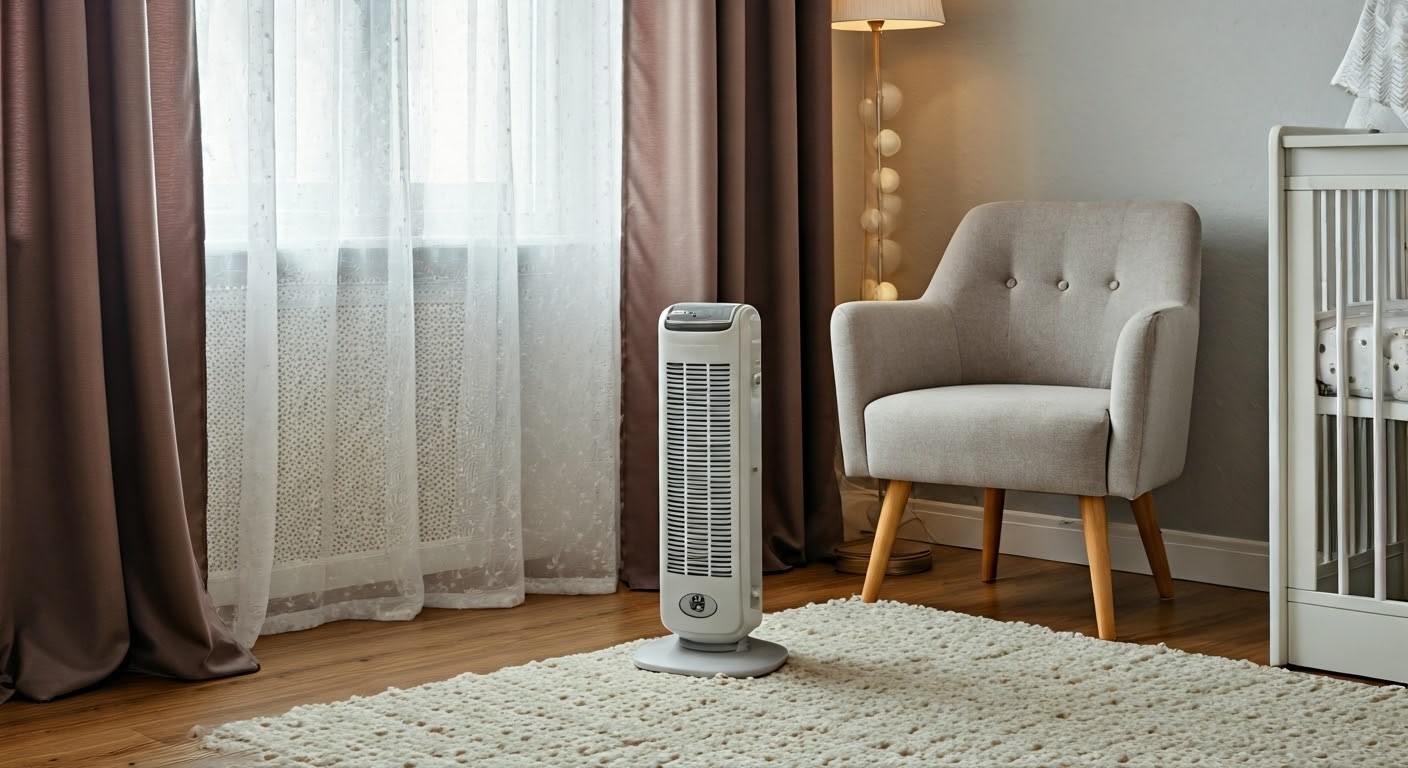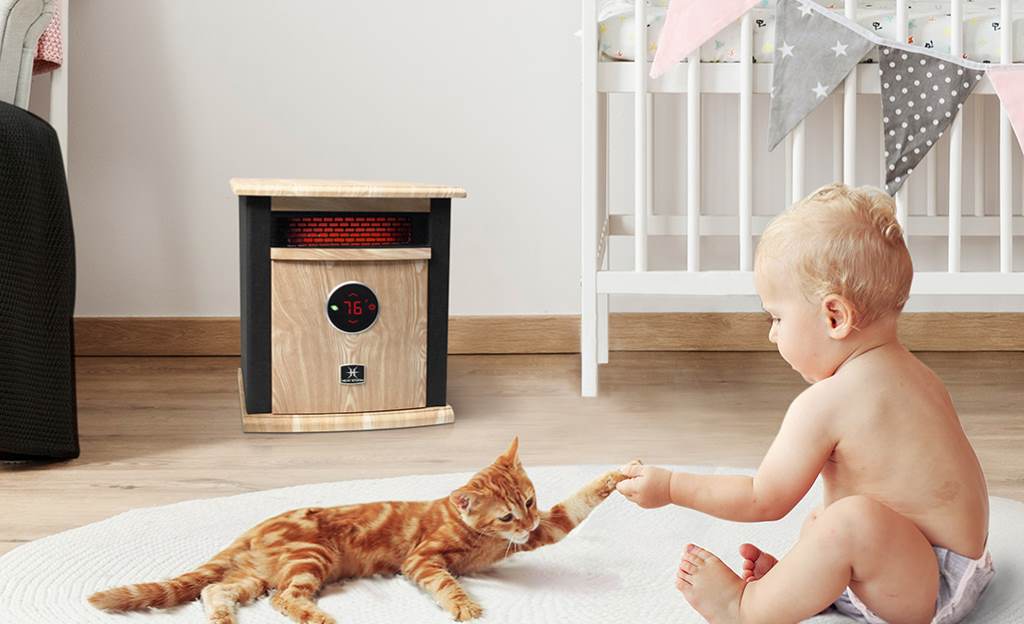

Keeping your baby warm during colder months is not just about comfort. It directly affects sleep quality, immune health, and overall well being. According to the American Academy of Pediatrics, maintaining a room temperature between 68°F and 72°F helps reduce risks linked to sleep discomfort and overheating. Meanwhile, the U.S. Environmental Protection Agency highlights that indoor heating systems can impact air quality, which matters even more for infants with sensitive lungs.
Choosing the right baby safe room heater can feel overwhelming. However, with the right knowledge, you can confidently select a heater that provides warmth without compromising safety.
Why Baby-Safe Room Heaters Matter
Babies cannot regulate body temperature as effectively as adults. As a result, even slight temperature drops can make them uncomfortable. On the other hand, overheating can increase health risks.
A standard heater might warm a room, but it may not be designed with infant safety in mind. That difference is critical. Baby safe room heaters include features that reduce burn risk, prevent tipping, and maintain consistent heat levels.
Furthermore, safer models also protect indoor air quality. That means fewer allergens and no harmful emissions. This is especially important since infants breathe faster than adults and inhale more air relative to their size.
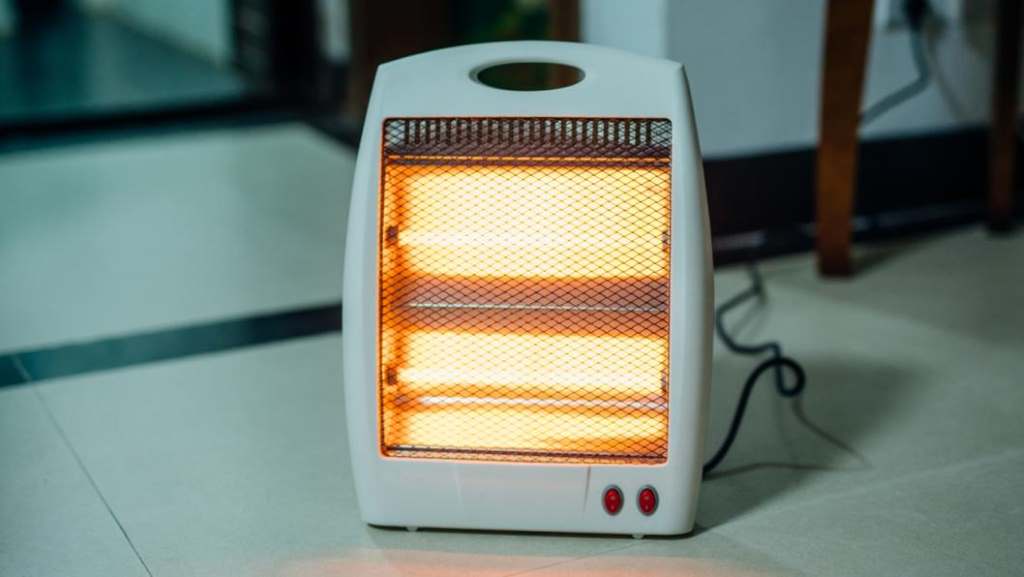
Types of Baby-Safe Room Heaters
Understanding heater types helps you make a better decision. Each option has its own strengths.
Oil-Filled Radiators
These heaters use heated oil to radiate warmth slowly and evenly. They do not expose heating elements directly.
- They stay warm even after being turned off
- Surfaces are usually not extremely hot
- They operate quietly, which is ideal for nurseries
However, they take longer to heat up. Still, their steady warmth makes them a reliable choice.
Ceramic Heaters
Ceramic heaters heat up quickly and distribute warmth efficiently.
- They are energy efficient
- Many include automatic shut off features
- Compact designs fit small rooms
Even so, some models can have hot surfaces. Therefore, always check for cool touch exteriors.
Infrared Heaters
Infrared heaters warm objects instead of air.
- They provide instant heat
- They do not dry out the air
- Energy usage is generally low
This type works well for targeted warmth, but coverage may be limited in larger spaces.
Panel Heaters
Panel heaters mount on walls or stay slim and upright.
- They save space
- Many have modern safety features
- Heat distribution is gentle and consistent
Because they stay out of reach, they reduce accidental contact risks.
Key Safety Features to Look For
Safety should always come first when choosing a baby safe room heater. Focus on these essential features.
Tip-Over Protection
This feature automatically turns off the heater if it falls. Babies and toddlers are naturally curious. Even a slight push can tip a heater over. This function prevents accidents immediately.
Overheat Protection
Heaters can malfunction or run too long. Overheat protection shuts the unit down before it becomes dangerous. This adds an extra layer of reliability.
Cool-Touch Exterior
A heater should never have a surface that can burn skin. Look for models with insulated outer casings. This ensures that even if your child touches it, they stay safe.
Thermostat Control
Consistent temperature matters. Adjustable thermostats allow you to maintain a stable environment without constant monitoring. This also helps prevent overheating.
Child Lock Settings
Some heaters include digital controls with lock features. This prevents accidental changes to settings, especially useful as your child grows.
Energy Efficiency and Performance
While safety is the top priority, efficiency also plays a role. A good heater should warm the room effectively without wasting energy.
Look for heaters with eco modes or programmable timers. These features help maintain a comfortable temperature while reducing energy consumption.
Additionally, consider room size. A heater that is too small will struggle to warm the space. Conversely, an oversized heater may overheat the room quickly. Matching heater capacity to room size ensures balanced performance.
Placement Tips for Maximum Safety
Where you place the heater matters as much as the heater itself. Even the safest model can become risky if positioned poorly.
- Keep at least three feet of clearance from cribs, curtains, and furniture
- Place the heater on a flat, stable surface
- Avoid using extension cords
- Position it out of direct reach of children
Additionally, never leave a heater running unattended for long periods. Supervision adds another level of protection.
Maintaining Healthy Air Quality
Heating can dry out the air, which may irritate your baby’s skin and respiratory system. Therefore, balancing warmth and humidity is important.
Consider pairing your heater with a humidifier. This helps maintain moisture levels in the room. Also, choose heaters that do not burn fuel or release emissions. Electric models are generally safer for indoor air.
Regular cleaning also helps. Dust buildup inside heaters can circulate particles into the air. Cleaning filters and vents keeps the environment healthier.
Common Mistakes Parents Should Avoid
Even well intentioned choices can lead to problems. Avoid these common mistakes.
Using Old or Damaged Heaters
Older models may lack modern safety features. Worn out wiring increases fire risks. Always choose updated models with certified safety standards.
Overheating the Room
Parents often think warmer is better. However, excessive heat can disrupt sleep and cause discomfort. Always monitor room temperature.
Ignoring Safety Certifications
Look for certifications such as UL or ETL. These labels indicate that the heater meets safety standards.
Blocking Airflow
Placing objects too close to the heater restricts airflow. This can cause overheating and reduce efficiency.
How to Choose the Right Heater for Your Needs
Selecting the best baby safe room heater depends on your specific situation.
Start by evaluating your room size. Then consider how quickly you need the space to warm up. For example, ceramic heaters work well for quick heating, while oil filled radiators are better for steady warmth.
Next, review safety features carefully. Prioritize models with multiple layers of protection.
Finally, think about noise levels. A quiet heater supports better sleep for your baby and less disturbance for you.
Real-Life Example
Many parents find oil filled radiators ideal for overnight use. One case study from a parenting safety group found that consistent low heat reduced nighttime waking by nearly 20 percent in infants.
Meanwhile, families using heaters with thermostats reported better temperature control and fewer instances of overheating. These small differences can significantly improve comfort and safety.
Conclusion
Choosing the right baby safe room heater is about balancing warmth, safety, and efficiency. Focus on trusted heater types, essential safety features, and proper placement. Always maintain a stable room temperature and ensure good air quality.
With the right approach, you can create a cozy, safe environment where your baby sleeps comfortably and grows healthily. Take time to evaluate your options and choose a heater that meets both safety standards and your family’s needs.
FAQs
What is the safest type of heater for a baby room?
Oil filled radiators are often considered the safest because they have enclosed heating elements and stable heat output. However, modern ceramic heaters with safety features are also reliable.
Can I leave a heater on overnight in a nursery?
Yes, but only if the heater has safety features like automatic shut off and thermostat control. Always ensure proper placement and ventilation.
What temperature should a baby’s room be?
Experts recommend keeping the room between 68°F and 72°F for optimal comfort and safety.
Are space heaters bad for air quality?
Electric heaters generally do not harm air quality. However, dust buildup can affect air, so regular cleaning is important.
How far should a heater be from a crib?
Maintain at least three feet of distance to reduce risks of overheating or accidental contact.