Bath time can be one of the most special bonding moments between you and your baby. However, it also requires careful attention to safety and comfort. According to the Centers for Disease Control and Prevention, drowning is a leading cause of injury related death for children aged one to four in the United States. In addition, the American Academy of Pediatrics highlights that even a small amount of water can pose a risk without proper supervision and support.
Choosing the right baby bathtub helps reduce these risks while making bath time easier and more enjoyable. With so many options available, finding the best fit can feel overwhelming. This guide breaks down everything you need to know so you can make a confident and informed decision.
Why Choosing the Right Baby Bathtub Matters
A baby bathtub is more than just a convenience item. It plays a direct role in your child’s safety, hygiene, and comfort. Newborns lack neck control, which makes a standard tub unsafe without support. A properly designed baby tub supports their body and prevents slipping.
In addition, the right bathtub reduces strain on parents. Bending over a large tub can cause discomfort over time. A well designed baby bathtub allows you to maintain better posture while keeping your baby secure.
Beyond safety, the right tub also improves your baby’s experience. A calm and comfortable bath helps babies relax, which can support better sleep patterns and overall mood.
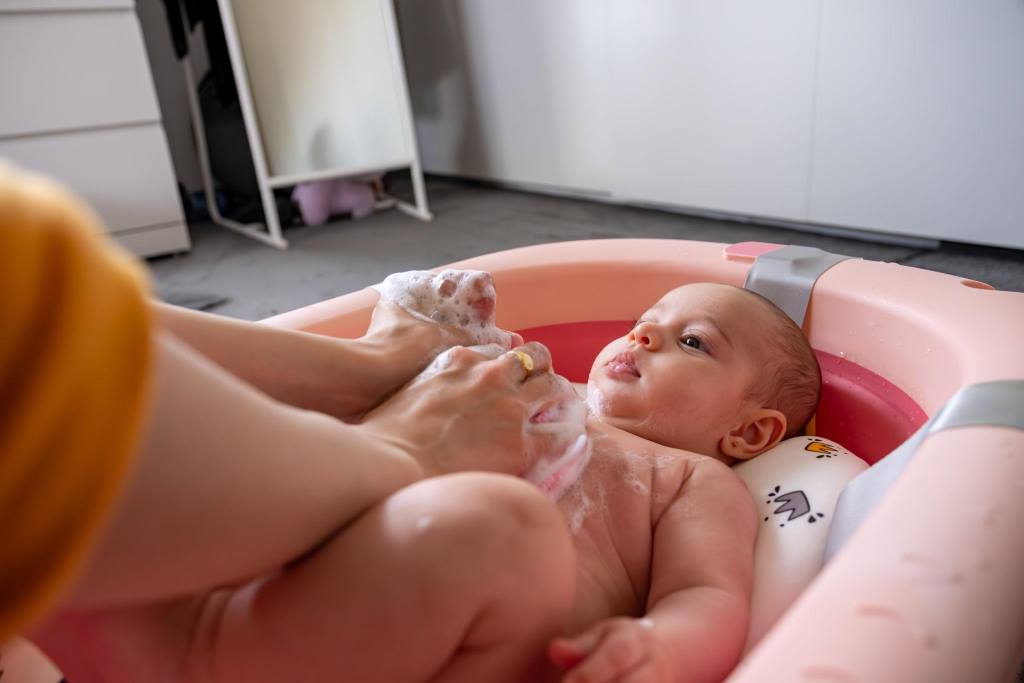
Types of Baby Bathtubs
Standard Plastic Baby Tubs
These are the most common and widely available options. They are lightweight, easy to clean, and designed with a simple shape. Many include a slightly raised area to support your baby’s head.
They work well for newborns and infants, especially when paired with a non slip insert. However, they may not grow with your baby, which means you might need to upgrade later.
Convertible Baby Bathtubs
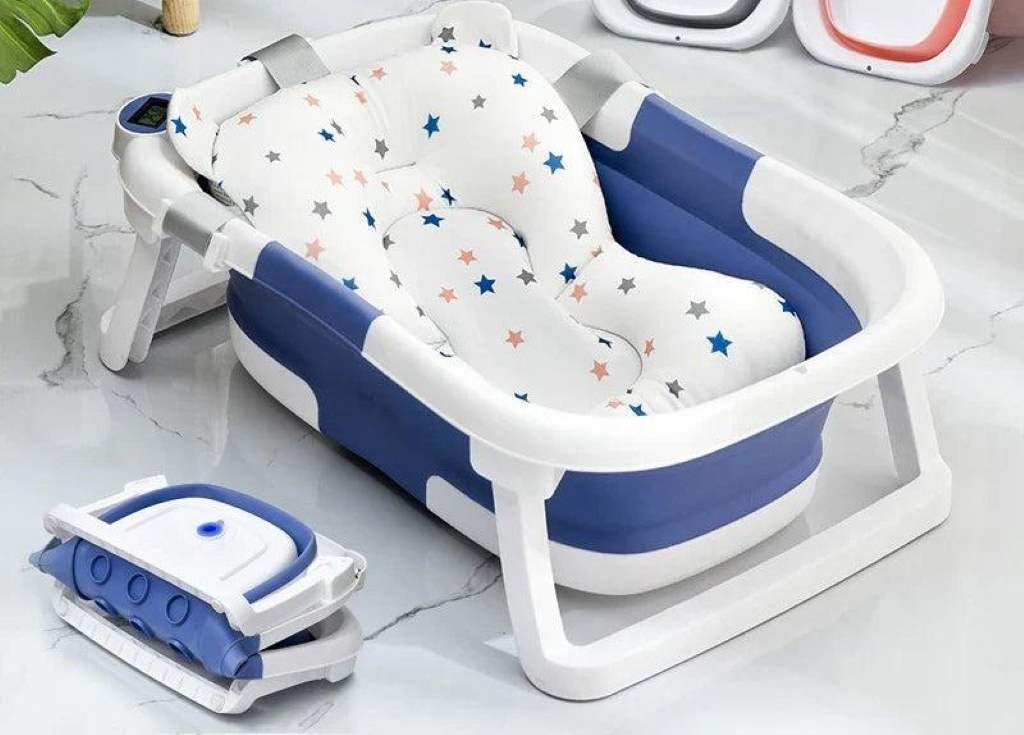
Convertible tubs adapt as your baby grows. They often include adjustable inserts or reclining positions. This allows you to use the same tub from newborn stage to toddler years.
These tubs provide better long term value and convenience. They also reduce the need for multiple purchases. However, they can be slightly bulkier than standard options.
Inflatable Baby Tubs
Inflatable tubs are soft and portable. They are ideal for travel or small living spaces. You can easily store them when not in use.
While they are comfortable, they require proper inflation and drying to prevent mold. They may also lack the firm support needed for very young infants.
Sink Inserts and Cushions
These are soft, padded inserts designed to fit inside a sink. They create a cozy and secure bathing environment for newborns.
They are especially useful during the early weeks when babies are very small. However, they are not suitable once your baby begins to sit up.
Key Safety Features to Look For
Non Slip Surface
A textured or non slip surface prevents your baby from sliding. This feature is essential for maintaining stability during bath time.
Look for tubs with built in grips or rubber padding. These help keep your baby in place even when wet.
Head and Neck Support
Proper support is critical for newborns. A good baby bathtub should have a contoured design that cradles your baby’s head and neck.
This reduces the risk of accidental slipping and keeps your baby comfortable throughout the bath.
Water Level Indicator
Some tubs include a water level marker. This helps you avoid overfilling, which can reduce drowning risk.
Maintaining the correct water level ensures a safer bathing environment for your child.
Drain Plug
A drain plug allows you to empty the tub easily without lifting it. This reduces the chance of spills and makes cleanup faster.
It also helps maintain hygiene by allowing complete drainage after each use.
Comfort Features That Make a Difference
Ergonomic Design
An ergonomic shape supports your baby’s natural posture. This helps keep them relaxed and secure during the bath.
It also allows you to wash your baby more easily without constant adjustments.
Soft Padding or Inserts
Soft materials provide extra comfort, especially for newborns. They help prevent irritation and keep your baby warm.
Many tubs include removable inserts that can be cleaned separately.
Temperature Indicators
Some baby bathtubs include built in temperature sensors. These change color based on water temperature.
This feature helps you ensure the water is not too hot or too cold, which protects your baby’s sensitive skin.
Size and Space Considerations
Before choosing a baby bathtub, consider your available space. If you live in a small apartment, a compact or foldable tub may be more practical.
Think about where you will use the tub. Some parents prefer using the bathroom, while others use the kitchen sink. The size and design should fit your routine.
Storage is another important factor. A lightweight and easy to store tub can save space and reduce clutter.
Ease of Cleaning and Maintenance
Hygiene is essential when it comes to baby products. A good baby bathtub should be easy to clean and dry.
Look for smooth surfaces that do not trap dirt or soap residue. Removable parts can also make cleaning easier.
Regular cleaning prevents mold and bacteria buildup. This ensures a safe bathing environment for your baby every time.
Portability and Travel Friendliness
If you travel frequently or visit family often, portability becomes important. Lightweight and foldable tubs are easier to carry and store.
Inflatable options can also work well for travel. However, ensure they are durable and easy to inflate.
Having a portable bathtub allows you to maintain your baby’s routine wherever you go.
Tips for Safe Baby Bathing
Follow These Simple Steps
- Always keep one hand on your baby
- Use lukewarm water, around 100 degrees Fahrenheit
- Fill the tub with only a few inches of water
- Gather all supplies before starting the bath
- Never leave your baby unattended
Create a Calm Environment
A calm setting helps your baby feel safe. Use soft lighting and speak gently during bath time.
Consistency also helps. Bathing your baby at the same time each day can create a comforting routine.
Common Mistakes to Avoid
Many parents make small mistakes that can affect safety. Avoid using too much water, as it increases risk.
Do not rely on bath seats alone for support. They are helpful but not a substitute for supervision.
Also, avoid distractions during bath time. Focus fully on your baby to ensure their safety.
How to Choose Based on Your Baby’s Age
Newborn Stage
Choose a tub with strong head and neck support. Soft inserts and reclined positions work best.
Infant Stage
Look for tubs with adjustable features. These provide flexibility as your baby grows.
Toddler Stage
A larger and more open tub allows more movement. This helps your child enjoy bath time while staying safe.
Conclusion
Choosing the best baby bathtub is about balancing safety, comfort, and practicality. The right tub supports your baby’s development while making your routine easier. Focus on essential safety features, consider your space, and choose a design that grows with your child.
Make your decision based on your daily needs and your baby’s stage. A thoughtful choice today can turn bath time into a safe and joyful experience every day. Take the next step by comparing options and selecting one that fits your lifestyle perfectly.
FAQs
What is the safest type of baby bathtub?
A tub with a non slip surface, head support, and a stable base is the safest option. Convertible tubs are often a great choice for long term use.
When can I stop using a baby bathtub?
You can transition to a regular tub once your baby can sit up independently and maintain balance.
How often should I clean a baby bathtub?
Clean the tub after every use with mild soap and water. This prevents bacteria and mold buildup.
Is a sink bath safe for newborns?
Yes, with proper support like a sink insert, it can be safe and convenient during the early weeks.
What water temperature is best for baby bathing?
The ideal temperature is around 100 degrees Fahrenheit. Always test the water before placing your baby in the tub.