
Carrying your baby close to you is one of the most rewarding experiences of parenthood. It strengthens your bond, soothes your little one, and keeps your hands free for daily tasks. However, for plus-size parents, finding a comfortable and supportive baby carrier can be a challenge. Many standard carriers lack the necessary waistband length, strap adjustments, or overall support to accommodate a fuller figure.
I remember my own struggle to find a carrier that fit well and didn’t dig into my sides or strain my back. After trying several options, I finally found one that worked perfectly. This guide will help you navigate the world of baby carriers and find a plus size baby carrier that offers comfort, support, and safety for both you and your baby.
Why a Plus-Size Baby Carrier Matters
A well-fitting baby carrier is essential for both your comfort and your baby’s safety. According to the American Academy of Pediatrics, babywearing promotes bonding, supports infant development, and can even reduce crying. However, if the carrier doesn’t fit properly, it can cause discomfort, back pain, or even pose safety risks.
For plus-size parents, a standard carrier may not provide enough support. The waistband might be too short, the straps may not adjust sufficiently, or the fabric could dig into your skin. A plus-size baby carrier addresses these issues with extended waistbands, longer straps, and reinforced stitching to distribute weight evenly. This ensures that you can carry your baby comfortably for extended periods without strain.
Additionally, a properly fitted carrier keeps your baby in an ergonomic position, supporting their hips and spine. This is crucial for their development and comfort. A poorly fitted carrier can lead to your baby slumping, which may restrict their breathing or cause discomfort.
Key Features to Look for in a Plus-Size Baby Carrier
Adjustable Waistband and Straps
The waistband is one of the most important features of a baby carrier. For plus-size parents, look for a carrier with an extended waistband that can comfortably fit around your waist without digging in. Adjustable straps are equally important. They should be long enough to wrap around your body and fasten securely without pulling or straining.
Some carriers offer crossable straps, which can be adjusted to fit your torso length. This feature is especially useful for plus-size parents, as it allows for a customized fit. Additionally, padded straps can help distribute weight more evenly, reducing shoulder and back strain.
Supportive and Breathable Fabric
The fabric of your baby carrier plays a significant role in your comfort. Look for carriers made from sturdy, breathable materials like cotton or linen. These fabrics allow air to circulate, keeping you and your baby cool. Avoid synthetic materials that can trap heat and cause sweating.
Additionally, consider the carrier’s structure. A well-padded waistband and shoulder straps can make a big difference in comfort, especially for longer wearing sessions. Reinforced stitching is also important to ensure the carrier can support both your weight and your baby’s weight safely.
Ergonomic Design for Baby
Your baby’s comfort and safety are just as important as yours. An ergonomic carrier supports your baby’s natural sitting position, with their knees higher than their bottom and their spine in a C-shape. This position is ideal for hip and spine development.
Look for a carrier that allows you to adjust the seat width to fit your baby’s size. A narrow seat can cause your baby’s legs to dangle, which may lead to discomfort or poor circulation. Additionally, ensure the carrier provides head and neck support for newborns, as they lack the muscle strength to support their own heads.
Types of Plus-Size Baby Carriers
Soft-Structured Carriers
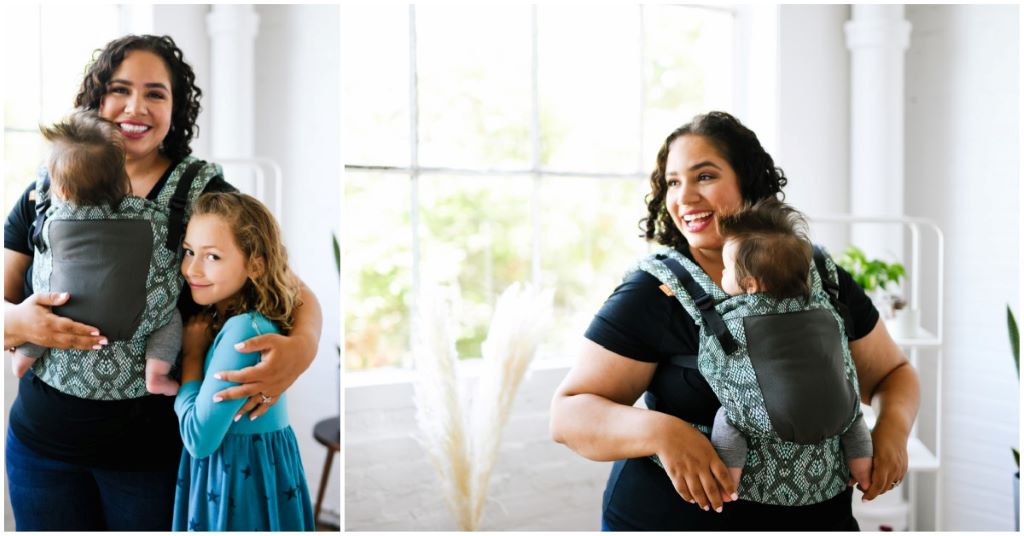
Soft-structured carriers are a popular choice for plus-size parents. They feature a structured waistband and padded shoulder straps, providing excellent support. These carriers are easy to use and can be adjusted to fit a variety of body types. Many brands offer plus-size versions with extended waistbands and longer straps.
Soft-structured carriers are versatile and can be used for front, hip, and back carrying. They are also easy to put on and take off, making them a convenient option for busy parents. However, they may not be as breathable as other types of carriers, so look for ones made from lightweight, breathable fabrics.
Wrap Carriers
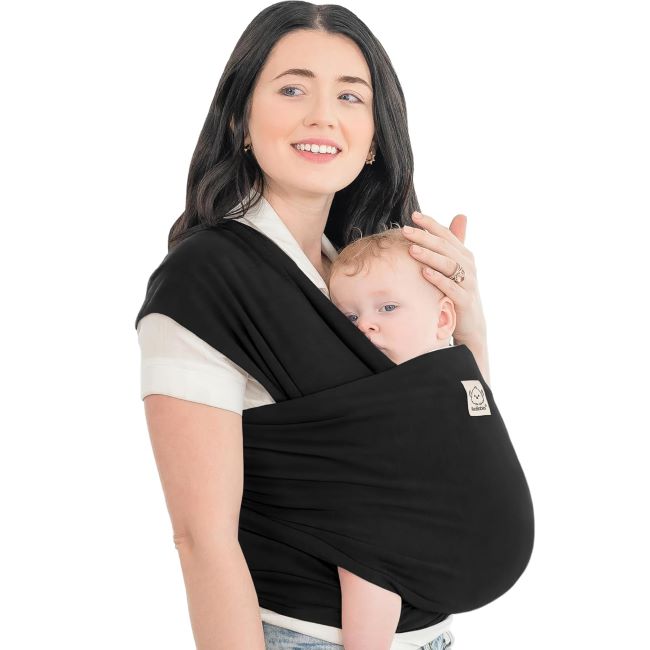
Wrap carriers are long pieces of fabric that you tie around your body to create a secure pocket for your baby. They are highly adjustable and can fit a wide range of body sizes, making them a great option for plus-size parents. Wraps distribute your baby’s weight evenly across your back and shoulders, reducing strain.
However, wraps can be tricky to use at first, as they require some practice to tie correctly. They also come in different lengths, so be sure to choose one that is long enough to wrap around your body comfortably. Additionally, wraps made from stretchy fabric may not provide enough support for heavier babies, so opt for a woven wrap if you need more stability.
Ring Slings
Ring slings are another option for plus-size parents. They consist of a long piece of fabric threaded through two rings, creating a secure pocket for your baby. Ring slings are easy to adjust and can be used for quick ups and downs, making them ideal for newborns or toddlers who like to be carried frequently.
However, ring slings place all the weight on one shoulder, which can lead to discomfort over time. They are best for shorter carrying sessions or for parents who switch shoulders frequently. Additionally, ensure the fabric is wide enough to distribute your baby’s weight evenly and prevent the rings from digging into your shoulder.
How to Ensure a Proper Fit
A proper fit is crucial for both your comfort and your baby’s safety. Start by adjusting the waistband so it sits snugly around your waist, just above your hips. The waistband should be tight enough to support your baby’s weight but not so tight that it digs into your skin.
Next, adjust the shoulder straps so they fit snugly against your body. If the carrier has crossable straps, cross them over your back for added support. Ensure the straps are not too loose, as this can cause your baby to slump in the carrier.
Finally, check your baby’s position. Their knees should be higher than their bottom, and their back should be in a natural, rounded position. Their chin should be off their chest to ensure their airway remains open. If your baby is a newborn, ensure their head and neck are well-supported.
Common Mistakes to Avoid When Choosing a Plus-Size Baby Carrier
One of the biggest mistakes is choosing a carrier based solely on price. While budget is important, a cheap carrier may not offer the support or durability you need. Instead, focus on quality and fit to ensure you’re getting a product that will last.
Another common mistake is ignoring the weight limit. All carriers have a maximum weight limit, so be sure to choose one that can safely support your baby’s weight. Additionally, avoid carriers with non-adjustable straps or waistbands, as they may not fit comfortably.
Lastly, don’t overlook the return policy. Even the best carriers may not suit everyone, so a trial period allows you to test the carrier at home. If it doesn’t meet your expectations, you should be able to return it without hassle.
Personal Experience: Finding the Perfect Fit
When I was expecting my first child, I was excited to try babywearing but nervous about finding a carrier that would fit comfortably. I tried a few standard carriers, but they either dug into my sides or didn’t provide enough support. Finally, I invested in a plus-size soft-structured carrier with an extended waistband and padded straps.
The difference was night and day. The carrier distributed my baby’s weight evenly, and the padded straps prevented shoulder strain. I could carry my baby for hours without discomfort. Additionally, the ergonomic design kept my baby in a safe and comfortable position, allowing her to nap peacefully.
If you’re a plus-size parent, I highly recommend investing in a carrier designed for your body type. It’s a small change that can make a big difference in your comfort and your baby’s happiness.
Conclusion
Choosing the right plus-size baby carrier can transform your babywearing experience. By focusing on features like adjustable waistbands, supportive fabric, and ergonomic design, you can find a carrier that offers comfort and safety for both you and your baby. Remember, the best carrier is one that fits well and meets your unique needs.
If you’ve found a plus-size baby carrier that works for you, share your experience in the comments below. Or, if you’re still searching, pass this guide along to someone who might benefit from a comfortable and supportive carrier. Here’s to happy babywearing and many precious moments with your little one!
FAQs
What is a plus-size baby carrier?
A plus-size baby carrier is designed with extended waistbands, longer straps, and reinforced stitching to accommodate a fuller figure comfortably.
Are plus-size baby carriers safe for newborns?
Yes, as long as the carrier provides proper head and neck support and keeps your baby in an ergonomic position.
How do I know if a baby carrier fits properly?
A properly fitted carrier should have a snug waistband, adjusted shoulder straps, and an ergonomic position for your baby with their knees higher than their bottom.
Can I use a standard baby carrier if I’m plus-size?
Some standard carriers may fit, but they often lack the necessary adjustments for comfort and support. A plus-size carrier is usually a better choice.
What is the weight limit for plus-size baby carriers?
Weight limits vary by carrier, but most can safely support babies up to 35–45 pounds. Always check the manufacturer’s guidelines.