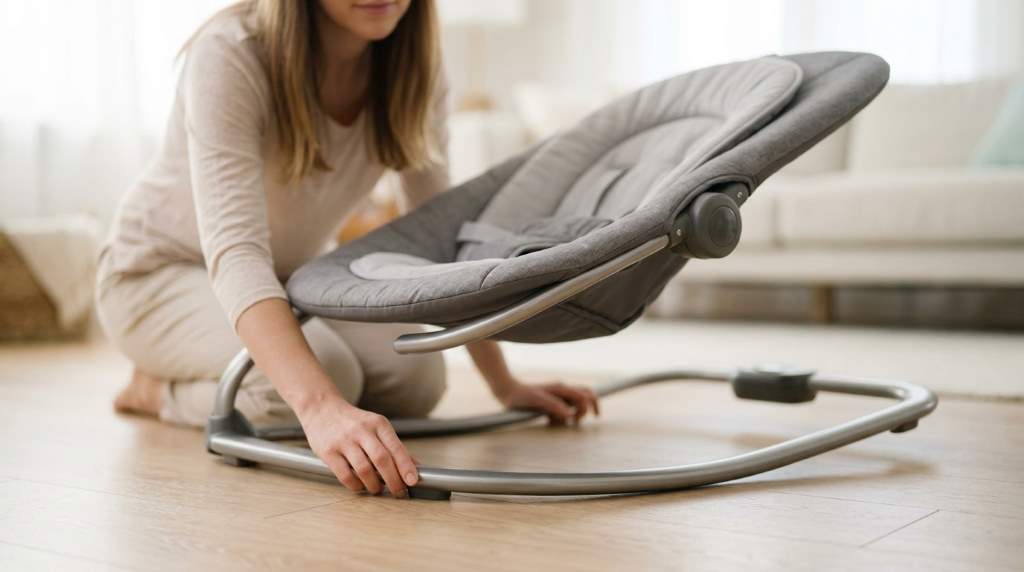
Choosing the right baby bouncer can feel overwhelming for new parents. According to pediatric industry reports, nearly 70% of American parents use a baby bouncer during their infant’s first year. Additionally, recent childcare market studies show that baby gear safety remains the top priority for over 85% of families in the USA. Finding the best baby bouncer requires careful evaluation of safety features, comfort, portability, and developmental benefits. This guide explains how to make a smart, safe, and practical decision for your baby and family lifestyle.
Why Choosing the Right Baby Bouncer Matters
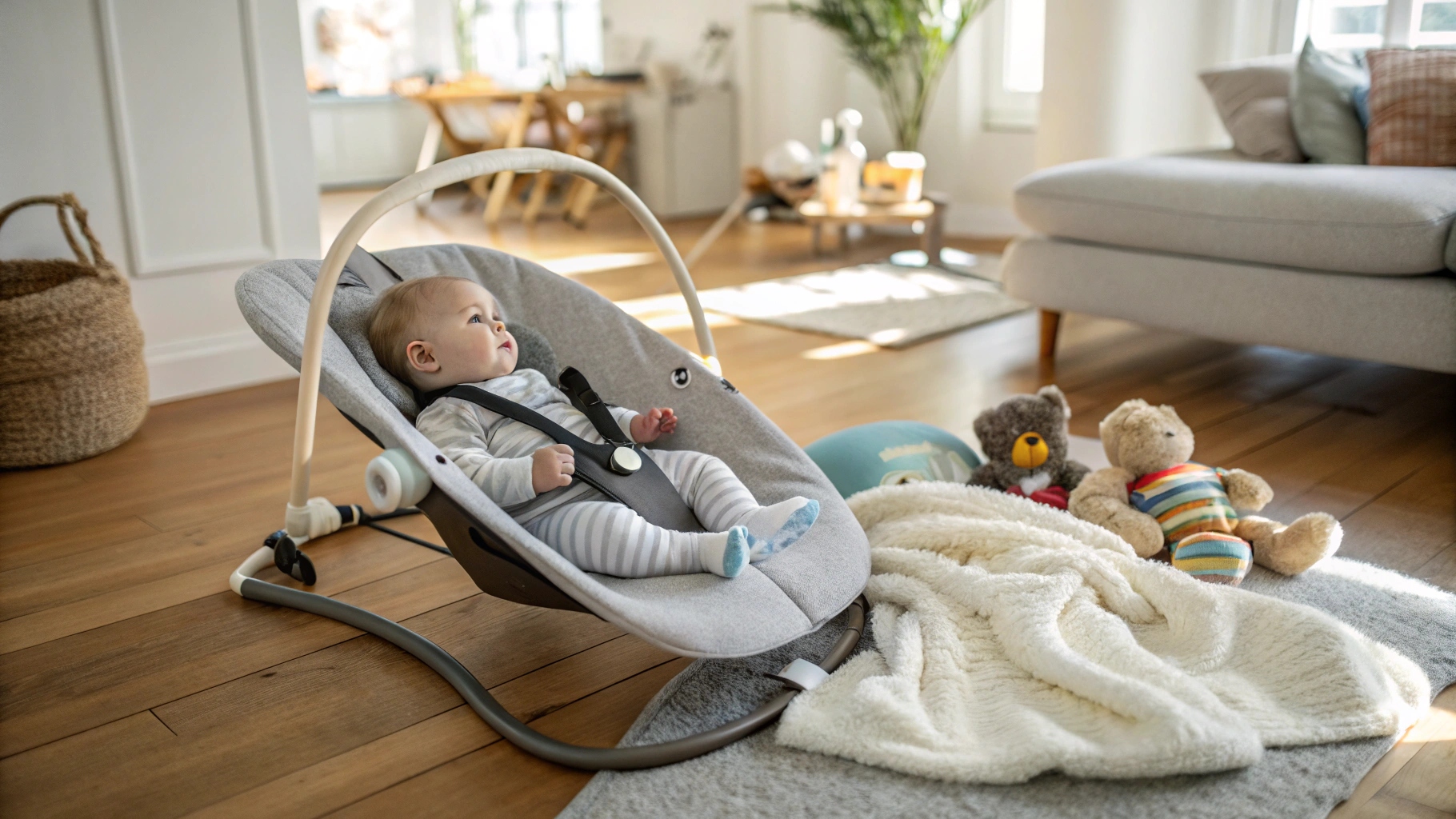
A baby bouncer provides a secure place for infants to rest, play, and observe their surroundings. Parents also benefit from having a safe space to place their baby temporarily.
However, not all baby bouncers offer the same quality, safety standards, or features. Therefore, understanding key selection factors helps parents avoid costly mistakes.
Understand What a Baby Bouncer Actually Does
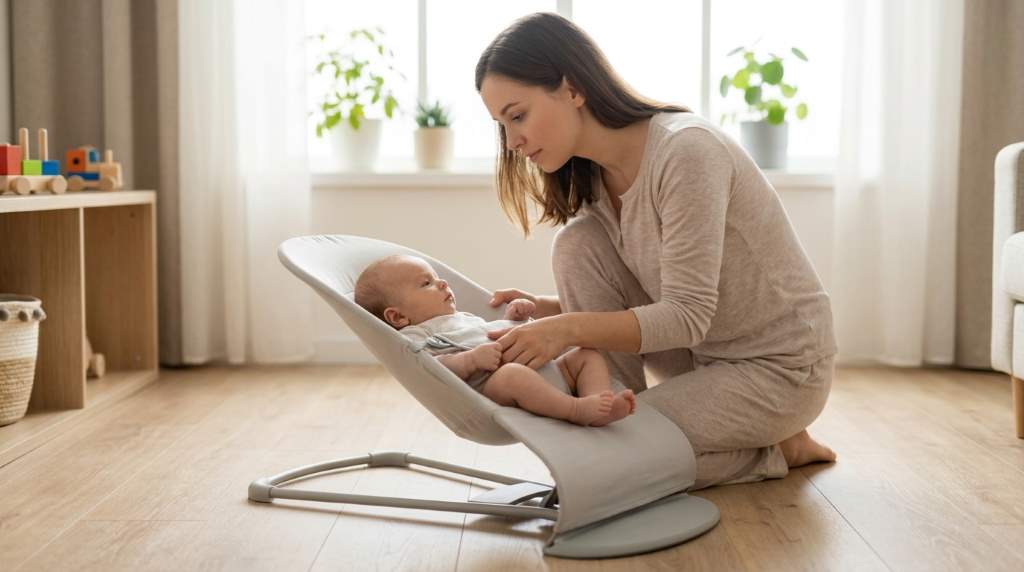
A baby bouncer is a lightweight infant seat designed to create gentle bouncing movements. These movements often occur naturally through a baby’s own motion.
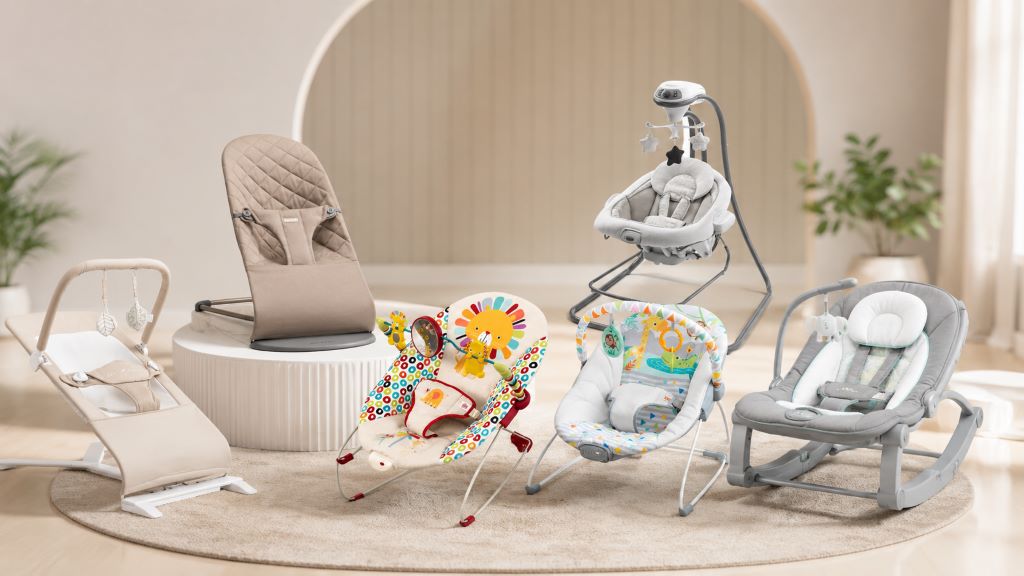
Some models include vibration features, toys, music, and adjustable recline positions. However, the primary purpose remains comfort and supervised entertainment.
Prioritize Safety Above Everything Else
Safety should always remain the first consideration when selecting a baby bouncer. Even premium features become meaningless without proper safety standards.
Look for a Secure Harness System
Choose models with at least a three point harness system. Five point harnesses provide additional security for active babies.
The harness should adjust easily while remaining difficult for babies to release. Always verify that straps fit snugly without causing discomfort.
Check Safety Certifications
Parents in the USA should verify compliance with current safety regulations. Reputable manufacturers clearly display their certification information.
Additionally, review recent product recalls before making any purchase. This extra step can prevent unnecessary safety risks.
Examine Frame Stability
A quality baby bouncer must have a stable, wide base. Strong frames reduce tipping risks during normal movement.
Furthermore, anti slip feet improve stability on hardwood, tile, and carpet surfaces. Stability testing remains essential during product evaluation.
Consider Your Baby’s Age and Weight
Every baby bouncer includes recommended age and weight limits. Ignoring these recommendations may compromise safety.
Newborns require additional head and neck support. Older infants often need stronger frames and higher weight capacities.
- Newborn: Extra cushioning and head support
- Three to six months: Adjustable recline positions
- Six months and older: Increased weight capacity
- Active babies: Enhanced harness protection
Evaluate Comfort Features Carefully
Comfort significantly affects how often babies enjoy using their bouncer. Therefore, parents should inspect cushioning quality carefully.
Seat Padding Quality
Soft padding improves comfort during longer usage sessions. However, excessively soft surfaces may reduce proper support.
Look for balanced cushioning with breathable materials. Machine washable covers also simplify maintenance.
Recline Positions
Multiple recline settings provide flexibility as babies grow. Newborns usually require more reclined positions.
As babies gain strength, upright positions become more engaging. Adjustable recline features extend product usefulness.
Fabric Materials
Breathable fabrics help regulate body temperature effectively. This feature becomes particularly important during warmer seasons.
Hypoallergenic materials may also benefit babies with sensitive skin. Easy cleaning remains another important advantage.
Assess Portability and Storage Options
Many parents move baby equipment throughout the home regularly. Consequently, portability deserves careful consideration.
Lightweight designs improve convenience without sacrificing safety. Foldable models also simplify storage and travel.
Families living in apartments often benefit from compact baby bouncers. Larger homes may accommodate stationary models comfortably.
Decide Between Manual and Electronic Bouncers
Modern baby bouncers generally fall into two primary categories. Each option offers distinct advantages and limitations.
Manual Baby Bouncers
Manual bouncers rely on natural baby movement for bouncing action. These models typically cost less and require no batteries.
Additionally, manual designs often weigh less than electronic alternatives. Many parents appreciate their simplicity.
Electronic Baby Bouncers
Electronic models provide automatic bouncing, vibration, and entertainment features. These additional functions may soothe some babies effectively.
However, electronic models usually cost more and require power sources. Maintenance needs may also increase.
Look for Developmental Features
The best baby bouncer should support healthy sensory development. Appropriate stimulation encourages learning and exploration.
Toy Bars and Interactive Features
Attached toys help develop visual tracking and hand eye coordination. Babies often remain engaged longer with interactive elements.
Choose removable toy bars whenever possible. This flexibility supports changing developmental needs.
Sensory Stimulation Options
Some bouncers include music, sounds, lights, and textures. These features may support sensory development during supervised use.
However, overstimulation can become problematic for certain infants. Moderation remains important.
Check Ease of Cleaning
Babies create frequent messes during daily activities. Therefore, cleaning convenience should influence purchasing decisions.
Removable, machine washable covers save considerable time and effort. Waterproof components provide additional protection.
Inspect crevices and attachment points carefully. Complex designs often trap food, milk, and debris.
Consider Your Home Environment
Your living space significantly affects which baby bouncer works best. Practical considerations improve long term satisfaction.
Small apartments benefit from compact, foldable models. Larger homes may support heavier, feature rich options.
Households with pets should prioritize durable, easy to clean fabrics. Families with multiple children often require enhanced durability.
Understand Price Versus Value
Higher prices do not always guarantee better performance. Instead, focus on features that match your family’s actual needs.
Budget friendly models often provide excellent safety and comfort. Premium features become worthwhile only when regularly used.
- Basic models: Essential safety and comfort
- Mid range models: Added convenience features
- Premium models: Advanced technology and customization
- Luxury models: Specialized design elements
Read Real Parent Reviews Strategically
Customer reviews provide valuable real world insights. However, parents should evaluate reviews carefully.
Look for consistent patterns across numerous reviews. Single extreme opinions rarely represent typical experiences.
Pay special attention to comments regarding durability, cleaning, and long term performance. These factors often reveal actual product quality.
Common Mistakes Parents Should Avoid
Many families make avoidable purchasing errors when selecting baby gear. Awareness helps prevent disappointment.
- Prioritizing appearance over safety
- Ignoring weight restrictions
- Choosing excessive features unnecessarily
- Overlooking cleaning requirements
- Failing to verify safety certifications
- Purchasing without measuring available space
Final Checklist Before Buying
Before completing your purchase, review all essential factors carefully. A systematic approach improves decision making.
- Verified safety certification
- Appropriate weight capacity
- Comfortable seat padding
- Reliable harness system
- Easy cleaning features
- Suitable portability
- Stable frame construction
- Reasonable price value ratio
Conclusion
Selecting the best baby bouncer requires balancing safety, comfort, convenience, and developmental support. Parents who evaluate these factors carefully often make more satisfying purchases.
Take time to compare options, read verified reviews, and prioritize your baby’s specific needs. Start researching trusted baby bouncer models today to make a confident and informed decision for your family in the USA.
Frequently Asked Questions
What age can a baby start using a baby bouncer?
Most babies can safely use a baby bouncer from birth when proper support features exist.
How long should a baby stay in a bouncer?
Experts generally recommend limiting sessions to short, supervised periods.
Are baby bouncers safe for newborns?
Yes, newborn safe models provide appropriate head, neck, and body support.
Can babies sleep in a baby bouncer?
No, babies should always sleep on a flat, approved sleep surface.
What features matter most in the best baby bouncer?
Safety, comfort, stability, and ease of cleaning remain the most important features.