Bath time helps babies stay clean and supports healthy skin development. According to the American Academy of Pediatrics, most newborns only need a bath three times weekly. However, parents still worry about slips and water safety during every wash. Learning how to safely wash in a baby bathtub creates a calm and secure routine. Choosing the right baby bathtub also improves comfort and reduces risks. In the USA, thousands of families use dedicated infant tubs because they provide better support than standard sinks.
Why Safe Bathing Matters for Babies
Newborns have delicate skin and limited head control. Therefore, even a short bath needs careful supervision.
Warm water relaxes babies and helps create bedtime routines. However, unsafe bathing practices may lead to slips or minor injuries.
A secure bath also builds confidence for new parents. As a result, everyone enjoys a more peaceful experience.
Choose the Right Baby Bathtub
Different tubs offer different features and support levels. Therefore, selecting the right design is the first safety step.
Look for Essential Safety Features
- Non slip base
- Contoured infant support
- Drain plug for easy emptying
- Sturdy frame and stable sides
- Smooth edges without sharp corners
Many modern tubs also include temperature indicators. Although helpful, parents should still test water manually.
Select the Correct Size
A tub should fit your baby’s age and body size comfortably. Moreover, enough room allows easy cleaning without excessive movement.
A very large tub can make an infant slide around. Conversely, a tiny tub may limit safe positioning.
Prepare Everything Before Starting
Gather supplies before placing your baby into the water. This step prevents leaving your child unattended even briefly.
- Soft washcloth
- Mild baby soap
- Clean towel
- Fresh diaper
- Clean clothes
- Cotton pads if needed
Place these items within arm’s reach. Consequently, you can focus entirely on your baby’s safety.
Set the Correct Water Temperature
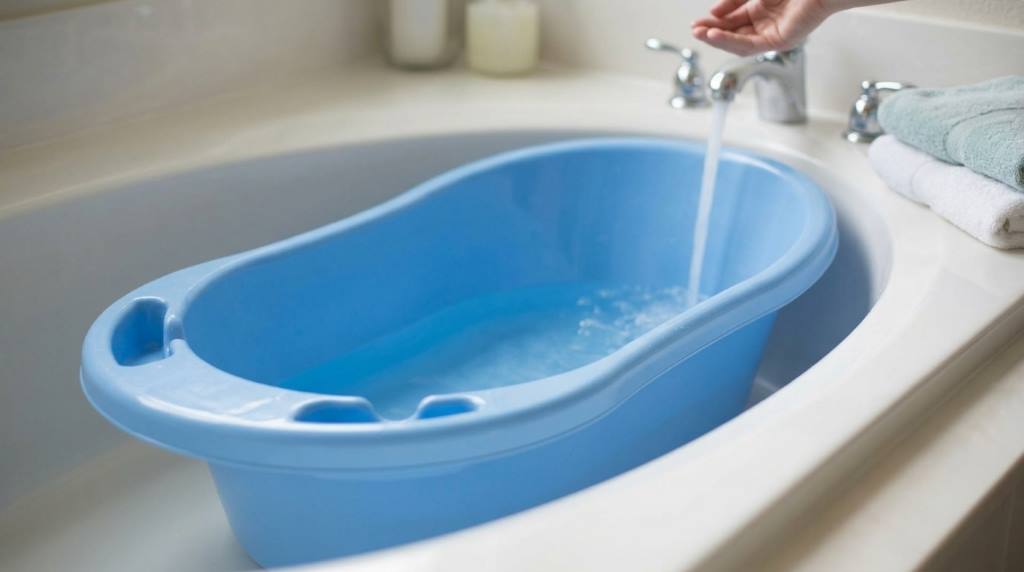
Water that feels comfortable to adults may still be too hot. Therefore, always check the temperature carefully.
Most pediatric experts recommend water around 100 degrees Fahrenheit. This temperature feels warm but never hot.
Test the water with your wrist or elbow first. Additionally, fill the tub with only a few inches of water.
Babies do not need deep water during baths. In fact, shallow water greatly reduces drowning risks.
How to Safely Wash in a Baby Bathtub Step by Step
Step One: Support Your Baby Properly
Place one hand under your baby’s head and neck. Meanwhile, use the other hand for washing.
Maintain constant contact during the entire bath. Even a secure bathtub cannot replace direct supervision.
Step Two: Start with the Face
Use a damp cloth without soap on the face. Then gently clean around the eyes and mouth.
Always wipe from the inner eye outward. This method helps prevent irritation and spreading debris.
Step Three: Wash the Body
Apply a small amount of mild baby cleanser. Next, clean the neck, arms, chest, and legs.
Pay special attention to skin folds because moisture collects there easily. Consequently, proper cleaning prevents irritation.
Step Four: Clean the Hair
Support your baby’s head while using a small amount of shampoo. Afterwards, rinse carefully with clean water.
Avoid pouring water directly over the face. Instead, use your hand to guide the water gently.
Step Five: Dry Immediately
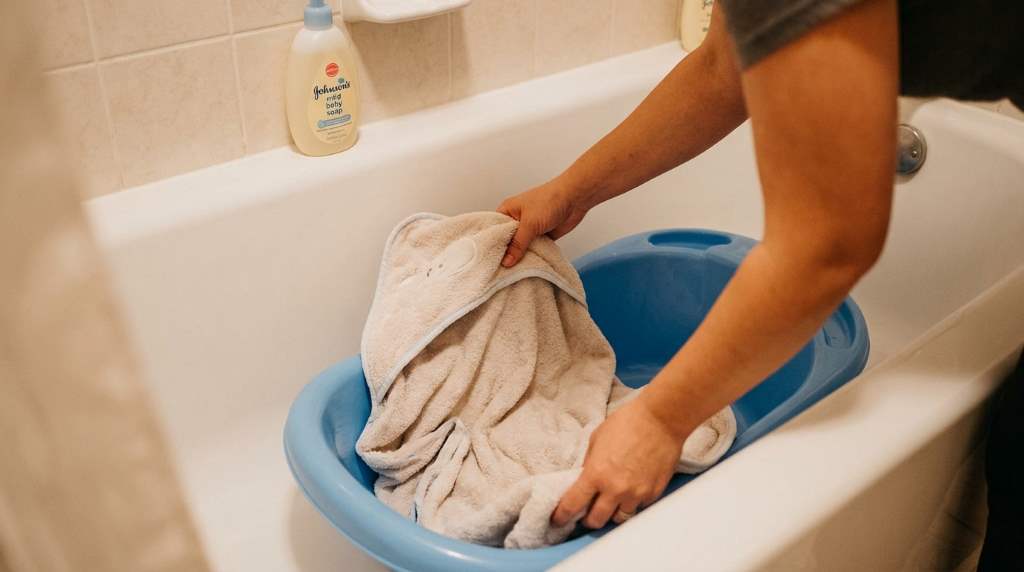
Lift your baby carefully and wrap them in a towel. Then pat the skin dry instead of rubbing.
Gentle drying protects sensitive skin and reduces redness. Finally, dress your baby in clean clothing.
Never Leave Your Baby Unattended
Many accidents happen in only a few seconds. Therefore, never walk away during bath time.
If the phone rings or someone knocks, take your baby with you. Safety should always come before convenience.
Older siblings should never supervise bath time alone. Adults must remain present from start to finish.
Common Bathing Mistakes to Avoid
- Using water that is too hot
- Filling the tub too deeply
- Leaving supplies in another room
- Using harsh soaps or fragrances
- Bathing when feeling tired or distracted
Small mistakes can quickly become dangerous situations. Therefore, creating a routine helps prevent problems.
Keep Your Baby Comfortable During Bath Time
Babies can become cold very quickly after undressing. Consequently, keep the room comfortably warm.
Speak softly throughout the bath because familiar voices feel reassuring. In addition, gentle interaction makes bathing enjoyable.
Some babies cry during their first few baths. However, regular routines often help them become comfortable.
How Often Should You Bathe a Baby?
Newborns generally do not need daily baths. Instead, two or three baths each week usually work well.
Clean the face, hands, and diaper area every day. This approach keeps babies fresh without drying their skin.
Older babies may enjoy more frequent baths after becoming active. Even then, gentle products remain important.
Special Safety Tips for Parents in the USA
Parents in the USA often use portable infant tubs because they fit various living spaces. However, every product should meet current safety standards.
Read manufacturer instructions before the first use. Furthermore, inspect the tub regularly for cracks or damage.
Replace any bathtub showing wear or instability. A secure bathing setup protects your baby during every stage.
Conclusion
Learning how to safely wash in a baby bathtub helps parents create a secure and relaxing routine. Proper preparation, supervision, and gentle techniques greatly reduce common risks.
Every bath provides an opportunity to bond with your child while keeping them clean and comfortable. Start using these safety tips today and make every baby bathtub experience calm and enjoyable.
FAQs
How much water should be in a baby bathtub?
Only a few inches of warm water are usually enough.
Can I bathe my newborn every day?
No, most newborns only need two or three baths weekly.
What temperature should bath water be?
Bath water should stay around 100 degrees Fahrenheit.
Is it safe to leave a baby for one minute?
No, babies should never remain unattended in a bathtub.
When can my baby use a regular bathtub?
Most babies transition after sitting independently and steadily.