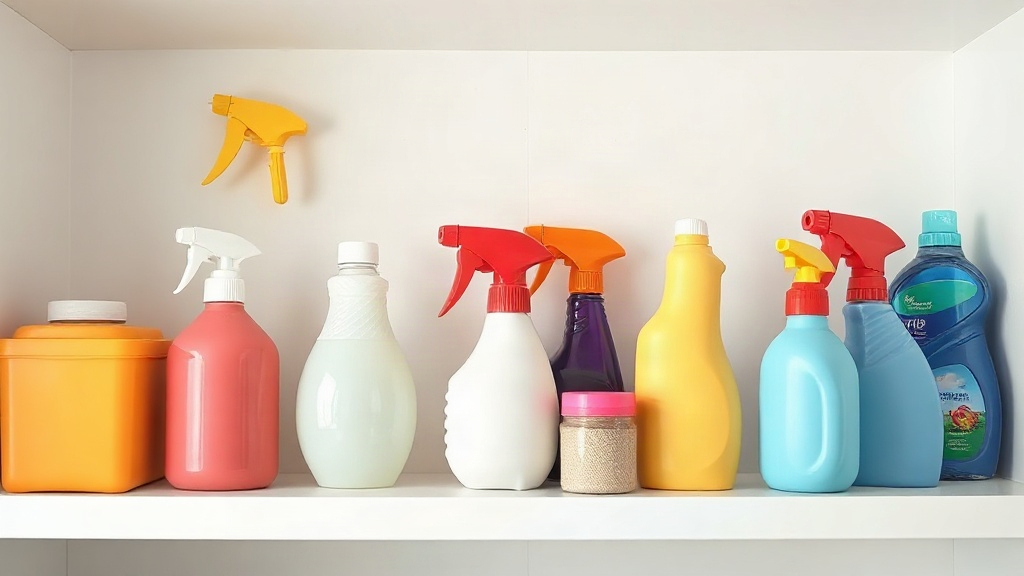
A curious toddler can reach a spray bottle on a low shelf in seconds, which is why parents searching for ways to store cleaning supplies safely around kids need practical answers rather than vague warnings. The question usually comes up after a child starts crawling or climbing, when the bottles you once kept under the sink suddenly look like a hazard. Safe storage is mostly about height, locks, and habits, and none of it requires a major remodel. A few deliberate choices can move every risky product out of reach.
For broader home-safety ideas, https://newhouseproject.com/ covers childproofing projects that pair well with a cleaned-up supply cabinet. This guide walks through what safe storage actually means, why it matters, and the habits that keep it working day to day.
Quick answer: Keep all cleaning products in a locked cabinet or on a high shelf, ideally in their original labeled containers, and never in a container a child could mistake for food or drink. Store them away from food, medicine, and everyday items so nobody grabs the wrong bottle by mistake. The three habits that matter most are height, a working lock, and putting products back immediately after each use.
What is store cleaning supplies safely around kids?
Storing cleaning supplies safely around kids means placing every chemical product where a child cannot see it, reach it, or open it, and keeping it there consistently. This includes sprays, liquids, powders, pods, and wipes, along with less obvious items such as drain cleaner, oven cleaner, bleach, and dishwasher tablets. The goal is simple: a child should never be able to access a cleaning product without an adult present.
The concept covers more than location. It also involves the container itself, the label, and how quickly a product returns to its safe spot after use. A bottle left on the counter "just for a minute" is effectively stored within reach. Safe storage is a set of habits, not a single shelf.
Three elements work together:
- Height: products sit above a child’s reach, generally in a cabinet or on a shelf well above counter level.
- Barrier: a lock, latch, or child-resistant closure keeps the cabinet or bottle closed.
- Consistency: every product goes back to its place right after use, every time.
What counts as "out of reach" changes as children grow. A toddler who cannot reach the top shelf may become a preschooler who drags a chair over to it. A young child can also climb onto a counter or open a drawer. This is why height alone is not enough; a physical barrier adds a second layer of protection. Many safety organizations advise using both.
Storage also applies to products in active use. If you are cleaning a bathroom, the spray bottle and rag are temporarily accessible. Safe practice means keeping the bottle beside you, never leaving it on the floor or within a child’s reach, and returning it to its locked cabinet before you walk away.
"Child-resistant" does not mean child-proof. These closures slow a determined child down; they do not guarantee the container stays shut, so pair them with a locked cabinet.
The short version: safe storage is location plus barrier plus habit, applied to every product, every time. Get those three right and the risk drops sharply.
Why store cleaning supplies safely around kids matters
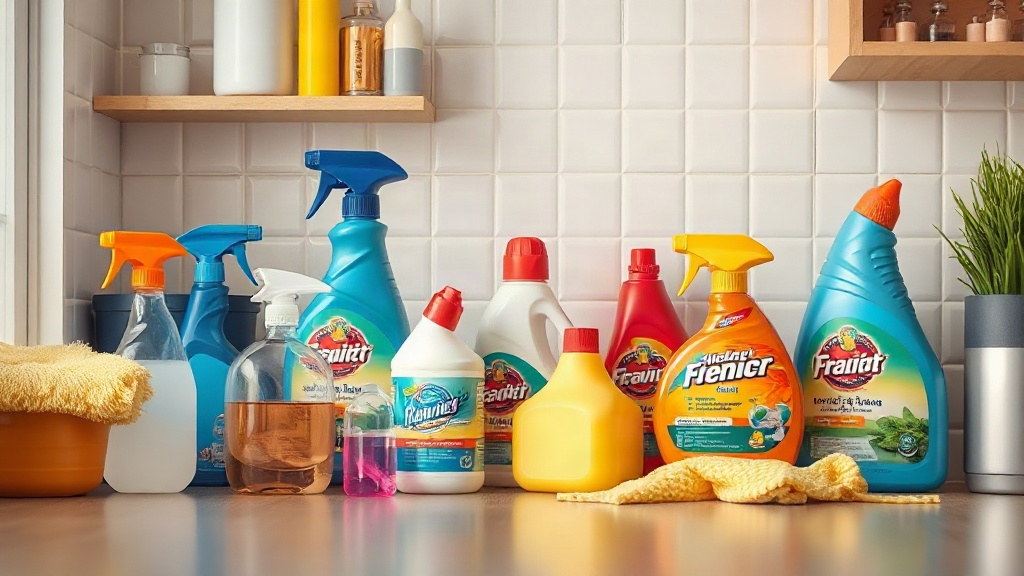
Household cleaning products are among the most common sources of accidental poisoning in young children, and most exposures happen at home with a product that was in normal use. The consequences range from skin and eye irritation to serious internal injury, depending on the product. Because children explore by mouthing and tasting, a bottle that looks harmless can become dangerous fast.
Kids are also skilled at finding gaps. They notice the cabinet under the sink, the bucket in the laundry room, and the spray bottle on the tub edge. They imitate adults, so a child who watches you spray a counter may try to copy you. A product left within reach is an invitation, not a neutral object.
There are practical reasons beyond immediate danger. Some cleaners damage surfaces or clothing if a child empties them, and replacing spilled products costs money. Storing everything properly also makes your home easier to clean, because you know where each item lives.
- Health risk: ingestion, inhalation, and skin or eye contact can cause harm, and some products react badly when mixed.
- Speed of harm: a child can swallow or spill a product in seconds, faster than most adults can react.
- Peace of mind: a locked cabinet removes the daily worry of "did I leave that out?"
A related area is the kitchen, where cleaners and food share space. Many families add kitchen cabinet child locks to handle that overlap. Keeping cleaning products separate from food storage is one of the simplest ways to reduce risk.
The highest-risk moment is not storage at all; it is the gap between using a product and putting it away. Design your routine around that gap.
The core point: safe storage protects health, saves money, and removes a daily source of stress. It is worth doing well.
Best practices
Good storage systems are simple enough to follow on a busy day. The best setup is one you will actually maintain, even when you are tired or distracted.
Choose the right location
Move all cleaning products to a single locked cabinet or a high shelf in a room a child rarely uses. The cabinet under the kitchen sink is convenient for adults and equally convenient for kids, so reserve it for safe items such as sponges and brushes. If you must use a low cabinet, add a lock and keep only low-risk items inside.
Use the original containers and labels
Keep products in their original packaging with labels intact. Never pour cleaner into a water bottle, juice container, or unmarked spray bottle. Children associate those shapes with drinks, and adults can make the same mistake in a hurry.
Separate from food and medicine
Store cleaning products apart from food, pet food, and medicine. This prevents mix-ups and keeps chemicals away from anything a child might eat or drink.
Lock the cabinet and secure the bottles
Install a cabinet lock or latch that an adult can open easily and a child cannot. For products kept outside a cabinet, use child-resistant closures. Check locks periodically, since hardware loosens with use.
Manage the in-use gap
Keep a spray bottle beside you while cleaning and never on the floor. Put it back the moment you finish. If you are interrupted, take the bottle with you.
Never mix cleaning products, and never store them in the same container. Some combinations, such as bleach and ammonia, release dangerous fumes.
The takeaway: pick one safe location, lock it, keep labels intact, and close the loop after every use.
Common mistakes to avoid
Even careful parents make the same handful of mistakes. Spotting them early is easier than fixing them later.
- Relying on height alone. A climbing child or a pulled-out drawer defeats a high shelf. Add a lock or latch.
- Decanting into food containers. Water bottles, jars, and cups invite accidental drinking. Keep products in original packaging.
- Leaving products out "for a minute." That minute is when most accidents happen. Return products immediately.
- Skipping the laundry room and garage. Bleach, detergent pods, and garden chemicals need the same treatment as kitchen sprays.
- Forgetting visitors and older siblings. Guests may leave bags or products within reach, and older kids may not close the lock.
- Assuming child-resistant caps are enough. They slow children down; they do not stop them.
A common pattern is buying a lock but not using it consistently. A lock only works when it is engaged every time, so make closing it part of the routine.
Do a five-minute sweep once a week. Walk each room, check low shelves and floors, and put any stray product back in its locked spot.
The practical fix for most mistakes is a simple rule: if a product is not locked away, it is not stored. Apply that standard to every room and the errors shrink fast.
FAQ
Where should I store cleaning supplies if I do not have a locked cabinet?
Use a high shelf in a closet or utility room, above a child’s reach, and add a latch or lock if possible. Keep products in closed containers and never on an open counter. If no high space exists, a lockable storage bin in a secure room works as a substitute.
Are child-resistant caps enough on their own?
No. Child-resistant closures reduce risk but do not guarantee a child cannot open a bottle. Combine them with a locked cabinet or a high shelf. Treat the cap as one layer among several, not a complete solution.
What should I do if my child swallows a cleaning product?
Call your local poison control center or emergency services immediately and follow their instructions. Keep the product container or label nearby so you can describe what was swallowed. Do not induce vomiting unless a medical professional tells you to.
How often should I check my storage setup?
Review it every few months and whenever a child reaches a new developmental stage, such as learning to climb. Check that locks still work and that no products have migrated to low shelves. A quick weekly sweep catches strays between deeper checks.
Can I store cleaning supplies in the laundry room or garage?
Yes, as long as the space is locked or the products sit in a locked cabinet above reach. These rooms often hold the strongest chemicals, so treat them with extra care. Keep them away from pet food and garden produce.
Conclusion
Safe storage comes down to three habits: keep products high, keep them locked, and put them back immediately after every use. Original containers, clear labels, and separation from food and medicine close the remaining gaps. The mistakes that cause trouble are usually small ones, like a bottle left out for a minute or a lock left open. Fix those habits and storage becomes automatic.
Start with a single sweep of your home today. Find every cleaning product, move it to one locked or high location, and add a latch if anything sits within a child’s reach. Then check that spot again next week to make sure the system is holding.