Every new parent faces a tiny but important question: what should the baby wear today? The nursery drawer is full of options. Two of the most common choices are sleepers and rompers. Both are adorable. Both serve a purpose. However, knowing when to use each one can make a real difference in your baby’s comfort and your daily routine.
This guide breaks down everything you need to know. You will learn what each garment is, how your baby’s growth affects the choice, and how to pick the right one for every stage.
What Are Sleepers and What Are Rompers?
Before diving into timing and stages, it helps to understand what each item actually is.
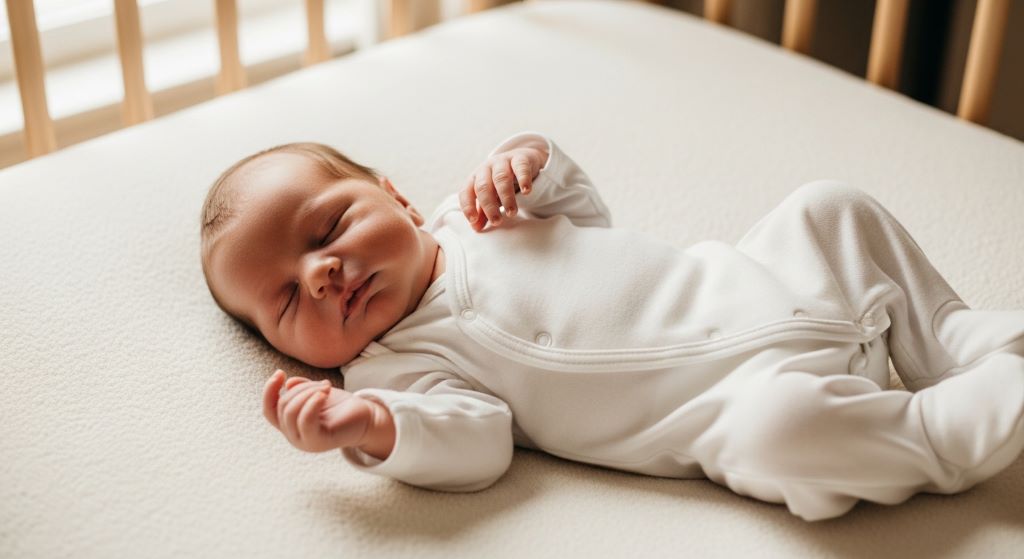
A sleeper is a one-piece outfit that covers the baby from neck to toe. It usually has a zipper or snaps along the front or legs. Sleepers are designed to keep babies warm and cozy. They work best during rest time, nighttime, and cool weather.
A romper, on the other hand, is a one-piece outfit that covers the torso but leaves the legs bare. Sometimes it has short sleeves, and sometimes no sleeves at all. Rompers are lighter and breezier. They are built for daytime wear, warmer weather, and active moments.
Both are one-piece designs, which makes diaper changes simpler. However, their fit, coverage, and purpose are quite different.
Why Growth Stages Matter for Baby Clothing
Newborns grow at a surprising pace. In the first year alone, most babies triple their birth weight. Their body proportions change too. A newborn has a large head and a short torso. By three to four months, the limbs start to lengthen. By six months, babies are rolling and moving much more.
Therefore, the clothing that worked perfectly in week two may not suit week ten at all. Growth stages affect not just size but also mobility, temperature regulation, and sleep patterns. Choosing the right garment for each stage keeps your baby comfortable and makes your life easier.
The Newborn Stage: Birth to One Month
During the first weeks, your baby sleeps most of the time. Newborns sleep up to 17 hours a day. Their bodies also struggle to regulate temperature on their own. This is why warmth and ease of dressing are the top priorities.
Sleepers are the clear winner at this stage. They cover the legs and feet, which keeps the baby warm without the need for extra blankets. They also make nighttime diaper changes faster. A front-zip sleeper, especially, lets you change a diaper in the dark without fully undressing your baby.
Rompers are not the best fit for this stage. They leave the legs exposed, which can lead to heat loss. Additionally, newborn skin is very sensitive, and bare legs can irritate easily in dry or cool environments.
For the first month, stick mostly to footed sleepers. Choose ones with soft fabric and easy-access closures.
One to Three Months: Building Routine and Awareness
By the end of the first month, babies become slightly more alert. They start having longer awake windows during the day. This is when you can begin introducing a loose day-and-night clothing rhythm.
During awake daytime hours, a romper works well if the room temperature is warm enough. It gives your baby a bit more freedom to stretch and move. It also makes it easy to do tummy time without extra fabric bunching under the belly.
However, for naps and nighttime sleep, sleepers remain the better choice. Consistency in sleep clothing can also become a gentle cue for babies that it is time to rest. Therefore, keeping sleepers for sleep and rompers for waking hours can support early routine building.
At this stage, look for rompers with snap closures at the crotch. This makes diaper changes quick and mess-free.
Three to Six Months: More Movement, More Choices
Between three and six months, babies become much more active. They start kicking, reaching, and eventually rolling. This increased movement changes what clothing works best.
Sleepers are still essential for sleep. However, make sure they have enough room in the legs for kicking. A tight sleeper can disrupt sleep by restricting movement. Look for styles with some stretch and a roomy fit around the feet and hips.
Rompers shine during this stage for daytime wear. Babies are more aware of their surroundings and enjoy looking at their own hands and feet. A sleeveless romper lets them feel the air on their skin and observe their limbs freely. This small sensory experience supports their development.
Additionally, warmer months make rompers even more practical. You do not need to worry about overheating, which is a genuine risk for young babies. Lightweight cotton rompers help keep your baby cool and comfortable.
One tip: watch out for rompers that are too loose around the legs. As babies kick more, loose fabric can twist around their limbs during play.
Six to Nine Months: Sitting Up and Staying Comfortable
Around six months, many babies begin sitting with support. Some start solid foods. Both of these changes affect clothing choices in practical ways.
For sitting babies, rompers work very well. They do not ride up or bunch awkwardly the way two-piece outfits might. However, the crotch snaps on a romper need to be sturdy enough to stay closed when the baby stretches or leans forward.
Sleepers continue to be the go-to for nighttime. At this age, some babies begin sleeping longer stretches. A well-fitting sleeper supports this. Avoid sleepers with feet if your baby tends to run warm at night. Footless sleeper options exist and are a good middle ground.
Mealtime is also a new factor now. Solid foods are messy. Therefore, choose rompers that are easy to rinse or machine-wash. Dark colors and busy patterns hide stains well. Bibs help too, but the romper will still catch spills around the sides.
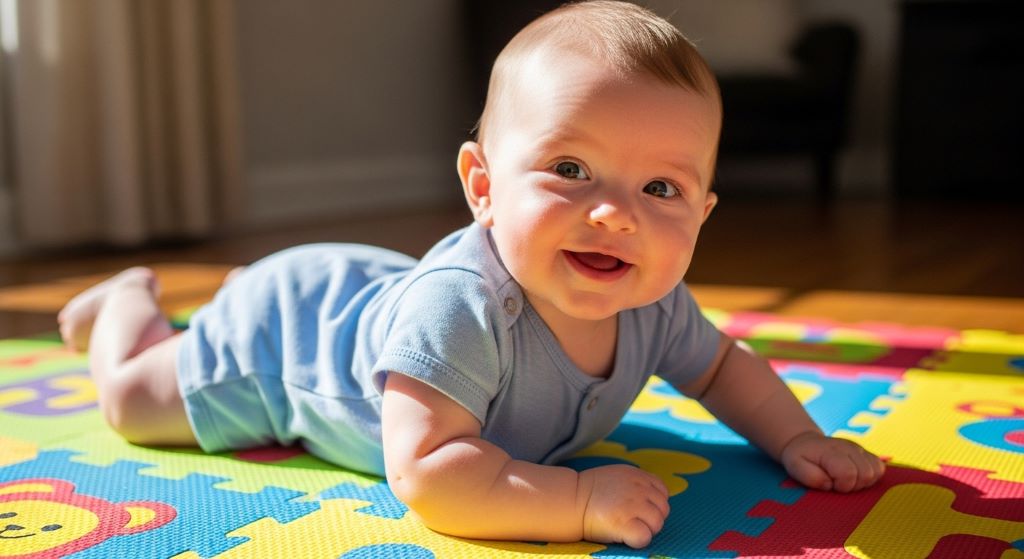
Nine to Twelve Months: Getting Ready to Move
Between nine and twelve months, most babies are crawling, and some are pulling up to stand. This is a big shift. The clothing that worked for a stationary baby may now cause problems.
For crawling babies, rompers with bare legs allow full freedom of movement. Nothing bunches at the knees. However, if your floors are hard or cool, you may want a light pair of leggings underneath. This gives both coverage and mobility.
Sleepers for this age group should have non-slip grips on the feet if your baby is starting to cruise along furniture. Many sleepers come with rubber dots on the soles for exactly this reason. These are small details that make a real difference in safety.
Additionally, some parents find that one-piece outfits become harder to put on as babies become more mobile. A wriggly nine-month-old does not love lying still for a wardrobe change. Zip-up sleepers with two-way zippers are faster than those with snaps. Side-zip rompers are also easier to manage.
Seasonal Adjustments Across All Stages
Temperature plays a big role in choosing between these two garment types, regardless of the growth stage.
In summer, rompers are usually the smarter pick for daytime. Lightweight fabrics like cotton muslin allow airflow and prevent overheating. Even during sleep in very warm weather, a light sleeper or even just a sleeveless bodysuit may be enough.
In winter, sleepers do most of the heavy lifting. A fleece or quilted sleeper adds warmth without the need for loose blankets, which are unsafe in a baby’s sleep space. For daytime in cold weather, you can layer a romper over a long-sleeve onesie for extra warmth without sacrificing style.
Therefore, always check the room temperature before choosing what your baby wears. A general guide is to dress your baby in one more layer than you would wear yourself in the same room.
Signs the Garment Is Not the Right Fit
Sometimes the best clue comes from your baby’s behavior. Here are some signs that the current outfit may not be working:
- Your baby fusses or seems uncomfortable during sleep even after feeding and rocking
- Red marks appear on the skin from tight elastic or seams
- The baby kicks off or out of a sleeper repeatedly during the night
- Tummy time is harder than usual due to fabric bunching at the chest or belly
- Diaper leaks happen more often, sometimes due to a poorly fitting crotch snap
When you notice these signs, it is time to reassess the size or style. Babies can jump a full size in just a few weeks. Checking the fit regularly is a simple habit that prevents a lot of discomfort.
Practical Tips for Buying Both
You do not need to overthink your baby’s wardrobe. However, a few practical tips can help you buy smarter.
Buy fewer newborn-size items since babies outgrow this stage fast. Focus on the three-to-six-month size range, where babies spend more time. Invest in quality zippers and snaps, because cheap closures break quickly and add stress to already tired parents.
Choose natural fabrics where possible. Cotton breathes well and is gentle on sensitive skin. Avoid synthetic fabrics for sleep, as they trap heat.
Finally, keep a few of each type on hand at every stage. Sleepers and rompers each have a role to play. Together, they cover nearly every situation your newborn will encounter.
Conclusion
Choosing between sleepers and rompers does not need to be complicated. Sleepers are best for sleep, cooler temperatures, and the earliest weeks of life when warmth is a priority. Rompers are ideal for daytime, warmer weather, and active stages when your baby needs more freedom to move.
As your baby grows through each stage, their needs change. Paying attention to temperature, mobility, and behavior will guide you to the right choice every time. With a small mix of both in your drawer, you will be ready for whatever each day and night brings.
Frequently Asked Questions
- Can I use a romper as a sleepwear option for my newborn?
It is generally not recommended. Rompers leave the legs uncovered, which can cause heat loss in newborns who cannot yet regulate body temperature well. A footed sleeper is safer and warmer for nighttime.
- How many sleepers and rompers should I buy for each size?
For newborn size, three to five sleepers is enough since this stage passes quickly. For three-to-six-month size, aim for four to six of each type to account for laundry cycles and unexpected messes.
- At what age can I start using rompers regularly?
Many parents begin using rompers for daytime wear around one to two months when the baby has longer awake periods and the home is warm enough. Always check the room temperature first.
- Are zippered sleepers better than snap sleepers?
For most parents, yes. Zippers are faster, especially during night changes when you want minimal disruption. Two-way zippers that open from the bottom are especially convenient for diaper access.
- What fabric is best for both sleepers and rompers?
100% cotton is widely recommended for both. It is breathable, soft on sensitive skin, and easy to wash. For cooler months, a cotton-fleece blend works well for sleepers. Avoid polyester or synthetic blends directly against the skin.
Related Topics:
Baby Teeth Chart: Your Complete Guide to Teething Timelines and Milestones
How to Choose the Best Baby Bathtub for Safe and Comfortable Bathing