
Every parent wants one thing above all else when traveling with a baby: safety. Yet, choosing the right baby car seat can feel overwhelming with so many options available. According to the National Highway Traffic Safety Administration, car seats reduce the risk of fatal injury by up to 71 percent for infants. At the same time, studies from the Centers for Disease Control and Prevention show that many seats are installed or used incorrectly. Therefore, picking the right seat is only part of the job. You also need to understand how it works and how it fits your lifestyle.
Why Choosing the Right Baby Car Seat Matters
A baby car seat is not just another purchase. It is a safety tool that protects your child during sudden stops or accidents. While all seats sold in the United States must meet federal safety standards, not all seats offer the same level of ease, comfort, or fit.
For example, some seats are easier to install, while others offer better side impact protection. Moreover, the right choice depends on your child’s age, size, and your vehicle type. Because of this, understanding your needs first makes the decision much easier.
In addition, convenience plays a big role. A seat that is difficult to install or adjust may lead to mistakes. Those mistakes can reduce safety, even if the seat itself is high quality.
Types of Baby Car Seats Explained
Before choosing, you need to understand the main types of baby car seats. Each type serves a specific stage of your child’s growth.
Infant Car Seats
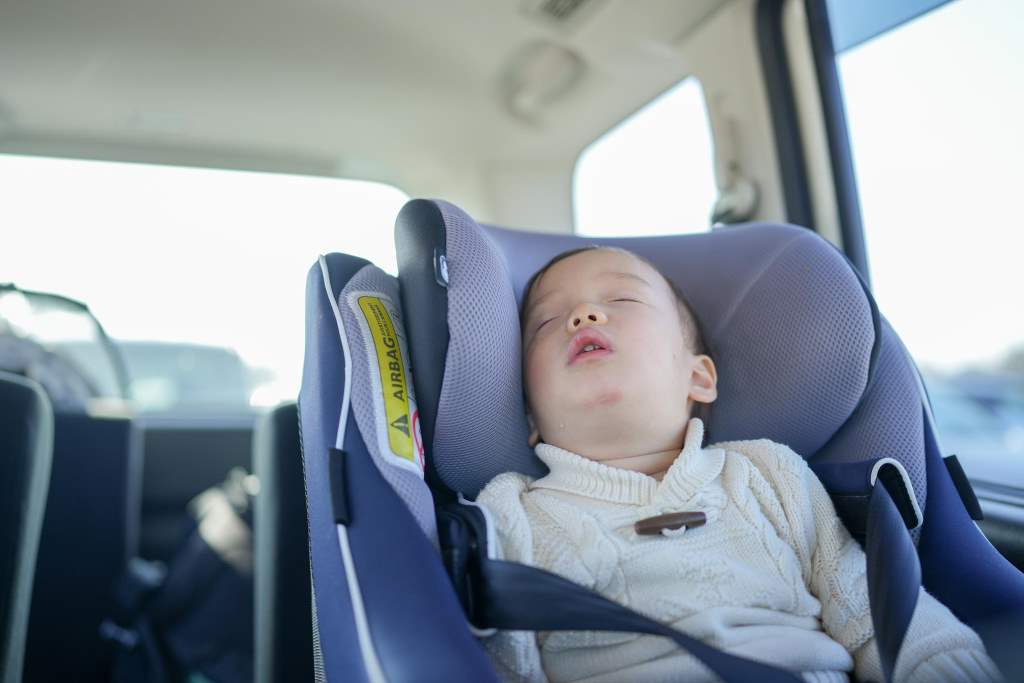
Infant seats are designed for newborns and small babies. They are always rear facing, which is the safest position for infants.
These seats are portable, so you can carry your baby without waking them. Most models also connect to strollers, which makes travel easier. However, babies outgrow them quickly, usually within the first year.
Convertible Car Seats
Convertible seats grow with your child. They start as rear facing seats and later switch to forward facing.
This option offers long term value and strong safety features. However, they are heavier and not as portable as infant seats. Because of this, they are better suited for parents who prefer a fixed setup in the car.
All in One Car Seats
All in one seats can be used from infancy to early childhood. They convert from rear facing to forward facing and then to booster mode.
While they offer flexibility, they can be bulky. Also, they may not provide the same snug fit for newborns as dedicated infant seats.
Booster Seats
Booster seats are for older children who have outgrown forward facing seats. They raise the child so the seat belt fits properly.
Although important, booster seats are not suitable for babies. You should only consider them later in your child’s development.
Key Safety Features to Look For
Safety should always come first when choosing a baby car seat. While all seats meet basic standards, some features provide added protection.
Five Point Harness System
A five point harness secures your child at the shoulders, hips, and between the legs. This design spreads crash forces evenly across the body.
Because of this, it offers better protection than simpler systems. Always check that the harness adjusts easily and fits snugly.
Side Impact Protection
Side impact protection helps shield your baby’s head and neck during a crash. Many seats include extra padding or energy absorbing foam.
This feature is especially important because side collisions can be severe. Therefore, choosing a seat with strong side protection adds an extra layer of safety.
Easy Installation System
Incorrect installation is one of the biggest risks. Many modern seats include systems that simplify installation.
Look for features such as:
- Clear level indicators
- Click in connectors
- Tightening mechanisms that require less effort
These features help ensure the seat is installed correctly every time.
Rear Facing Design
Experts recommend keeping babies rear facing as long as possible. This position supports the head, neck, and spine during sudden movements.
Therefore, choose a seat that allows extended rear facing use. It provides better protection during the most vulnerable years.
How to Choose the Right Size and Fit
Choosing the correct size is just as important as selecting the right type. A poorly fitting seat can reduce safety.
Check Weight and Height Limits
Each car seat comes with specific weight and height limits. Always match these limits with your child’s current size and expected growth.
Avoid switching to the next stage too early. Keeping your child in the appropriate stage improves protection.
Ensure Proper Fit in Your Vehicle
Not all car seats fit every car. Some models are larger and may not fit well in smaller vehicles.
Before buying, measure your back seat space. If possible, test the seat in your car to ensure a secure fit.
Consider Your Lifestyle
Your daily routine matters. For example:
- Frequent travel may require a lightweight, portable seat
- Multiple cars may need easy transfer features
- Long drives may benefit from extra padding and comfort
Choosing a seat that matches your lifestyle improves both safety and convenience.
Installation Tips for Maximum Safety
Even the best car seat cannot protect your child if it is installed incorrectly. Therefore, proper installation is critical.
Follow the Manual Carefully
Each seat comes with specific instructions. Always read and follow them step by step.
Skipping steps or guessing can lead to errors. Taking a few extra minutes ensures better safety.
Use LATCH or Seat Belt Correctly
Most cars offer two installation methods:
- LATCH system
- Seat belt installation
Both are safe when used correctly. However, never use both at the same time unless the manufacturer allows it.
Check for Tightness
After installation, the seat should not move more than one inch side to side or front to back.
If it moves more, tighten it further. A secure fit reduces movement during a crash.
Get Professional Help if Needed
Many communities offer free car seat inspections. Certified technicians can check your installation and correct any issues.
This step adds extra peace of mind, especially for new parents.
Comfort and Convenience Features That Matter
While safety is the top priority, comfort and ease of use also matter.
Adjustable Headrest and Harness
As your baby grows, the seat should adjust easily. Look for models with simple adjustment systems.
This feature saves time and ensures a proper fit without hassle.
Removable and Washable Covers
Babies can be messy. Therefore, removable covers make cleaning much easier.
Choose materials that are soft yet durable for long term use.
Lightweight Design
If you plan to move the seat often, weight matters. A lighter seat is easier to carry and install.
However, balance weight with durability and safety features.
Easy Buckle System
A smooth buckle system saves time and reduces frustration. Look for designs that click securely without excessive force.
This small detail can make daily use much more convenient.
Common Mistakes to Avoid
Even careful parents can make mistakes. Avoiding these common issues can improve safety.
- Installing the seat too loosely
- Placing the harness too high or too low
- Switching to forward facing too early
- Using second hand seats with unknown history
- Ignoring expiration dates
Each of these mistakes can reduce the effectiveness of the seat. Therefore, always double check your setup.
Latest Trends and Innovations in Baby Car Seats
Modern car seats continue to improve with new technology.
Smart Sensors
Some seats now include sensors that alert you if your child is left in the car. This feature helps prevent dangerous situations.
Rotating Car Seats
Rotating seats allow you to turn the seat toward the door. This makes placing your baby much easier.
Improved Materials
New materials offer better energy absorption and comfort. At the same time, they remain lightweight and durable.
These innovations make car seats safer and more user friendly than ever before.
Conclusion
Choosing the best baby car seat requires careful thought. You need to balance safety, fit, and convenience. Start by understanding the different types, then focus on key safety features. After that, ensure the seat fits both your child and your vehicle properly. Finally, install it correctly and use it consistently.
Take action today. Review your current setup or choose a new seat that meets your needs. Your child’s safety depends on it.
FAQs
What is the safest type of baby car seat?
Rear facing seats are the safest for infants. They provide the best support for the head and neck during a crash.
How long should my baby stay rear facing?
Experts recommend keeping your child rear facing as long as possible, often until age two or beyond based on size limits.
Can I use a second hand car seat?
You should avoid used seats unless you know their full history. Damage from previous accidents may not be visible.
How do I know if my car seat is installed correctly?
The seat should not move more than one inch. You can also get it checked by a certified technician.
When should I switch to a convertible seat?
Switch when your baby outgrows the infant seat’s weight or height limit. Always follow manufacturer guidelines.