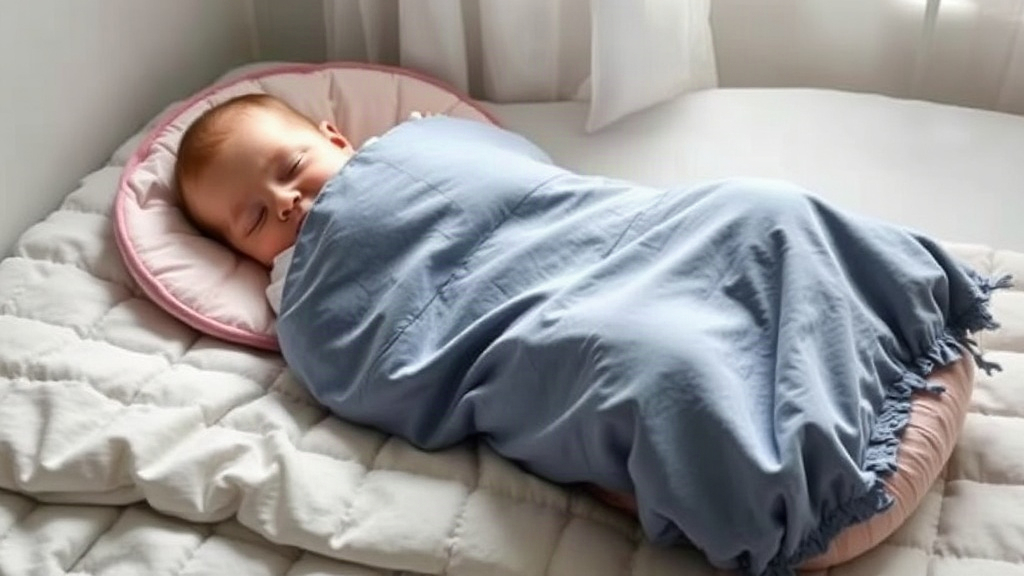
Choosing among the Best Baby Sleep Sacks: Warm, Safe, and Parent-Tested options usually starts with one anxious question at 2 a.m.: is my baby warm enough, and is this sack safe? A sleep sack replaces loose blankets, which reduces suffocation and overheating risk, but the wrong weight or fit can undo that benefit. Parents want a simple answer they can trust before bedtime.
Quick answer: Pick a sack that fits your baby’s weight range, offers a TOG rating matched to your nursery temperature, and has a neck opening snug enough that it cannot ride over the face. For most rooms kept near 68–72°F, a 1.0 to 2.5 TOG sack works well. Safety and fit matter far more than brand or price.
This guide covers five strong picks, a comparison table, and the fit, fabric, and TOG details that actually affect sleep. You will finish knowing which sack suits your baby’s age, room, and season.
Quick picks at a glance
Here are the five sleep sacks worth your attention, chosen for safety features, fabric quality, and how well they hold up after repeated washing. Each suits a different baby and budget.
- Best overall: Woolino 4 Season Ultimate Baby Sleep Bag. Merino wool regulates temperature across seasons, so one sack covers most of the year. The fit suits babies from about 2 months to 2 years.
- Best budget pick: Carter’s Cotton Sleep Sack. An affordable cotton option with a two-way zipper and a straightforward fit. It suits parents who want a simple, washable everyday sack.
- Best for newborns: Love to Dream Swaddle Up Transition Bag. The arms-up design eases the move from swaddling to free arms. It suits babies who startle easily.
- Best for warmth: Kyte Baby Sleep Bag in 2.5 TOG. A bamboo-rayon blend with a heavier TOG rating for cold rooms. It feels soft against the skin.
- Best for toddlers: Halo Toddler Sleep Sack with Footies. Foot openings let walking toddlers move safely at night. It handles the crib-to-bed transition well.
Note that only the Kyte Baby pick is built for a single season. The other four can stretch across more of the year with the right layering, which matters if you would rather not rebuy each winter.
Who each pick suits
The Woolino fits families who want one purchase to last through seasons. The Carter’s sack suits tight budgets and backups for laundry day. Love to Dream helps newborns who still need arm control. Kyte Baby suits cool bedrooms and winter months. Halo’s footed sack works once your child stands and walks.
Consider your nursery temperature first, then your baby’s age. A newborn and a two-year-old need different designs, even in the same room.
Comparison table
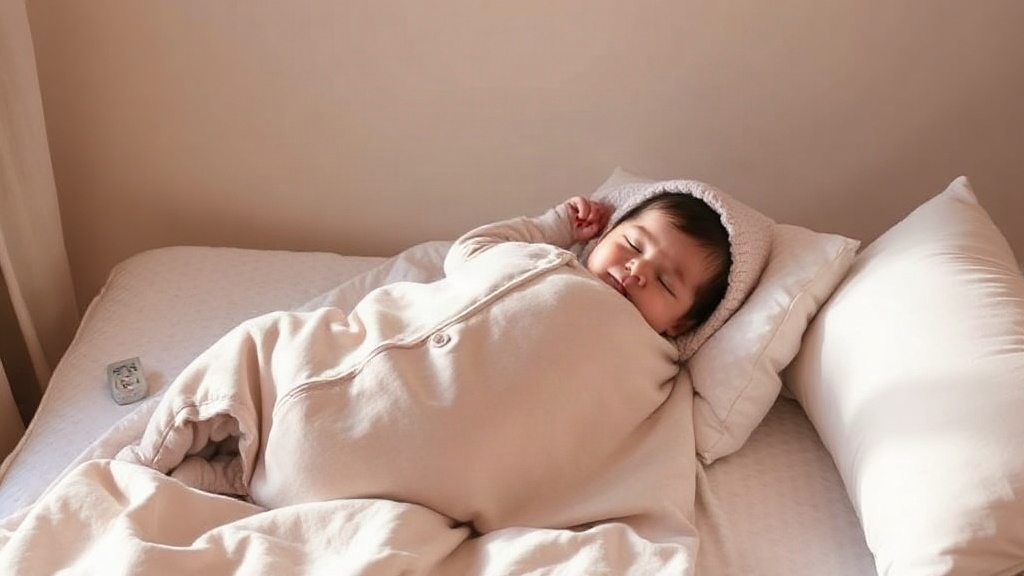
Comparison: five sleep sacks side by side
The table compares TOG rating, fabric, size range, and best use. Notice how TOG and fabric drive the price gap.
| Sleep sack | TOG | Fabric | Size range | Best for |
|---|---|---|---|---|
| Woolino 4 Season | 1.0–2.5 (adjusts) | Merino wool and cotton | 2 months–2 years | Year-round, one-purchase value |
| Carter’s Cotton | About 0.5–1.0 | Cotton | Newborn–24 months | Budget and everyday use |
| Love to Dream Transition | About 1.0 | Cotton and elastane | 3–12 months | Newborns leaving the swaddle |
| Kyte Baby 2.5 | 2.5 | Bamboo rayon | Newborn–36 months | Cold rooms and winter |
| Halo Toddler with Footies | About 1.0–1.5 | Cotton | 12–24 months and up | Walking toddlers |
The Woolino sits at the top on versatility, though it costs the most. Carter’s wins on price. Love to Dream targets a specific developmental window. Kyte Baby handles cold nights, and Halo covers the toddler stage.
Check the manufacturer’s current TOG label before buying, because brands sometimes revise fabrics. The table reflects typical listings, not a guarantee.
Two numbers in the table deserve a closer look. The Woolino’s “adjusts” TOG comes from merino’s natural breathability rather than a swappable lining, so it behaves like a mid-weight sack in most rooms. The Carter’s range reflects fabric variations between its cotton muslin and interlock lines, which feel quite different in warmth despite similar labels.
Size ranges also mislead when read as ages. Love to Dream’s 3–12 month window closes early because the wings stop being useful once a baby rolls. Kyte Baby’s 36-month top size runs generously in length, so a tall two-year-old may still fit comfortably while a petite one swims in it.
Prices cluster into three tiers: budget cotton under $30, mid-range options near $50, and merino or bamboo above $90. The gap reflects fiber cost and temperature regulation, not safety. Every sack on the list meets the same basic safety standard.
Individual reviews of the top picks
Each review below covers what the sack does well and where it falls short. None is perfect for every family.
Prices shift with sales and colorways, so treat each review as a guide to design and fit rather than a fixed quote. Where a sack has a clear limitation, we say so plainly, because a poor match wastes money and disrupts sleep.
Woolino 4 Season Ultimate Baby Sleep Bag
Merino wool breathes in warm rooms and insulates in cool ones, which is why one sack can work across seasons. The generous length fits babies from roughly 2 months to 2 years, and the shoulder snaps make nighttime changes easier.
Pros
- Merino wool helps regulate temperature without heavy bulk
- Long size range means fewer replacements
- Machine washable on a wool cycle
Cons
- The highest price of the five picks
- Wool requires gentler washing than plain cotton
- The roomy fit can feel loose on very small newborns
Carter’s Cotton Sleep Sack
This is the practical everyday pick. Cotton is easy to wash, the two-way zipper simplifies diaper changes, and the price makes owning two or three realistic.
Pros
- Lowest cost, so backups are affordable
- Soft cotton that washes well
- Two-way zipper speeds up diaper changes
Cons
- Thin fabric suits warmer rooms only
- Limited temperature regulation in cold nurseries
- Sizing runs small for some babies, so check the weight chart
Love to Dream Swaddle Up Transition Bag
The arms-up design keeps a newborn’s hands near the face, which many babies find calming. Zip-off wings let you remove arm control gradually as your baby learns to self-soothe.
Pros
- Eases the swaddle-to-sleep-sack transition
- Removable wings adjust to your baby’s readiness
- Arms-up position suits startle-prone newborns
Cons
- Useful window is short, roughly 3 to 12 months
- Not designed for older babies who roll and stand
- The higher price suits a temporary stage
Kyte Baby Sleep Bag, 2.5 TOG
Bamboo rayon feels cool and silky, and the 2.5 TOG rating adds warmth for cold bedrooms. It suits winter months or homes that run cool at night.
Pros
- Warm 2.5 TOG rating for chilly rooms
- Soft bamboo rayon feels gentle on skin
- Wide size range up to 36 months
Cons
- Too warm for rooms above about 72°F
- Bamboo needs careful laundering to avoid pilling
- Premium price for a single-season sack
Halo Toddler Sleep Sack with Footies
Once your child stands, foot openings matter. This sack lets a toddler walk to the bathroom or crib rail without tripping, and the sleeveless cut reduces overheating.
Pros
- Foot openings keep walking toddlers steady
- Sleeveless design vents heat well
- Familiar Halo fit that many parents already know
Cons
- Starts at the toddler stage, not for newborns
- Moderate warmth only, so layer in cold rooms
- Zipper placement can be fiddly during changes
Buying guide: how to choose
Fit and temperature control decide whether a sleep sack works. Brand names matter less. Work through these points before you buy.
Start with a tape measure, not a shopping cart. Measure your baby’s height and weight, note your nursery’s overnight low, and check how often you realistically do laundry. Those three facts narrow five picks to one or two before you read a single review.
Match TOG to room temperature
TOG measures thermal insulation. A higher number means a warmer sack. Use this rough guide:
- 0.5 TOG: rooms above 75°F, summer
- 1.0 TOG: rooms around 68–72°F, most of the year
- 2.5 TOG: rooms below 68°F, winter or cool homes
Dress your baby in light layers under the sack. Overheating is a real risk, so check the back of the neck rather than the hands or feet. A sweaty neck means you should remove a layer.
Sweating, flushed skin, or a hot chest can signal your baby is too warm. Choose a lower TOG or lighter clothing rather than adding blankets.
Check the fit around the neck and arms
A safe sack has a neck opening snug enough that it cannot slide over the face. Armholes should let your baby move freely without slipping out. Pull gently on the fabric at the neck to test it. If it stretches easily over the chin, size down.
Prioritize safe-sleep features
Look for a sleeveless or fitted design, a secure zipper with a protective tab, and no loose hoods or cords. Follow current safe-sleep guidance from your pediatrician: place your baby on their back on a firm surface, with no loose bedding in the crib. A sleep sack should never replace that foundation.
Consider fabric, washing, and budget
Cotton is durable and easy to wash. Merino wool regulates temperature but needs gentler care. Bamboo feels soft but may pill. Buy at least two sacks so one can wash while the other is in use. A mid-priced cotton sack bought twice often beats one expensive sack that is always in the laundry.
Sleep sack sizes follow weight ranges more reliably than months. Weigh your baby and check the chart before ordering.
FAQ
What TOG sleep sack is best for a 70°F nursery?
A 1.0 TOG sack suits most babies in a room near 70°F. Dress your baby in a light bodysuit underneath and check the neck for overheating. Adjust up to 2.5 TOG only if the room drops below about 68°F.
Can my baby wear a sleep sack over regular pajamas?
Yes. A sleep sack replaces blankets, not pajamas. Choose pajama weight to match the TOG and room temperature. A thin cotton sleeper works under a 1.0 TOG sack, and a warmer sleeper suits a 2.5 TOG sack in winter.
When should I switch from a swaddle to a sleep sack?
Switch once your baby shows signs of rolling, which often happens around 3 to 4 months. A sleep sack with free arms is safer at that point. Transition sacks with removable wings can ease the change.
How many sleep sacks does a baby need?
Two is a practical minimum so one can wash while the other is in use. Three helps if your baby spits up often or you skip laundry days. Buy the same size and style to keep bedtime simple.
Are expensive sleep sacks worth the price?
Sometimes. Merino and bamboo sacks offer temperature regulation that cheap cotton cannot match. If your nursery stays near 70°F, an affordable cotton sack does the job well. Spend more when you need seasonal versatility or a specific design.
Final verdict
The Best Baby Sleep Sacks: Warm, Safe, and Parent-Tested shortlist comes down to fit, TOG, and fabric. The Woolino 4 Season is the strongest all-around choice for families who want one sack across seasons. Budget-minded parents will be well served by Carter’s cotton sack, and cold-room households should look at Kyte Baby’s 2.5 TOG option.
Start by measuring your nursery temperature and weighing your baby. Then pick the sack that matches both. Buy two so laundry day never leaves you without a safe sleep option.
Choose the Woolino for year-round value, or Carter’s for a reliable budget sack.