
Transitioning your baby from a bottle or breast to a sippy cup is a significant milestone. It’s an exciting step toward independence, but it can also be a challenge for both parents and little ones. The right sippy cup makes this transition smoother, ensuring your baby can drink safely and comfortably while minimizing spills and messes.
However, not all sippy cups are created equal. The wrong cup can lead to leaks, choking hazards, or even dental issues. The best sippy cup for baby combines safety, ease of use, and durability, helping your child learn to drink independently without frustration.
If you’re searching for the perfect sippy cup for baby to make the transition easier, this guide will help you find the ideal match for your little one’s needs.
Why the Right Sippy Cup Matters
A sippy cup is more than just a drinking tool—it’s a developmental aid that helps your baby learn to sip, swallow, and hold a cup independently. According to the American Academy of Pediatrics (AAP), introducing a sippy cup around 6–9 months helps babies develop oral motor skills and reduces the risk of prolonged bottle use, which can lead to dental issues. The right sippy cup supports this transition by:
- Encouraging Independent Drinking: A well-designed cup helps your baby learn to hold and tip the cup without spilling.
- Preventing Choking Hazards: Soft spouts and flow-control valves reduce the risk of choking or gagging.
- Promoting Dental Health: Cups with spill-proof designs and soft spouts minimize liquid pooling around the teeth, reducing the risk of cavities.
- Reducing Spills and Messes: Leak-proof designs keep your home cleaner and make outings less stressful.
I remember my daughter’s first attempt with a sippy cup. She struggled with a cheap, leaky cup that frustrated both of us. After switching to a well-designed, spill-proof cup with a soft spout, she quickly learned to drink independently, and our mealtimes became much more enjoyable. The right cup made all the difference in her confidence and my sanity.
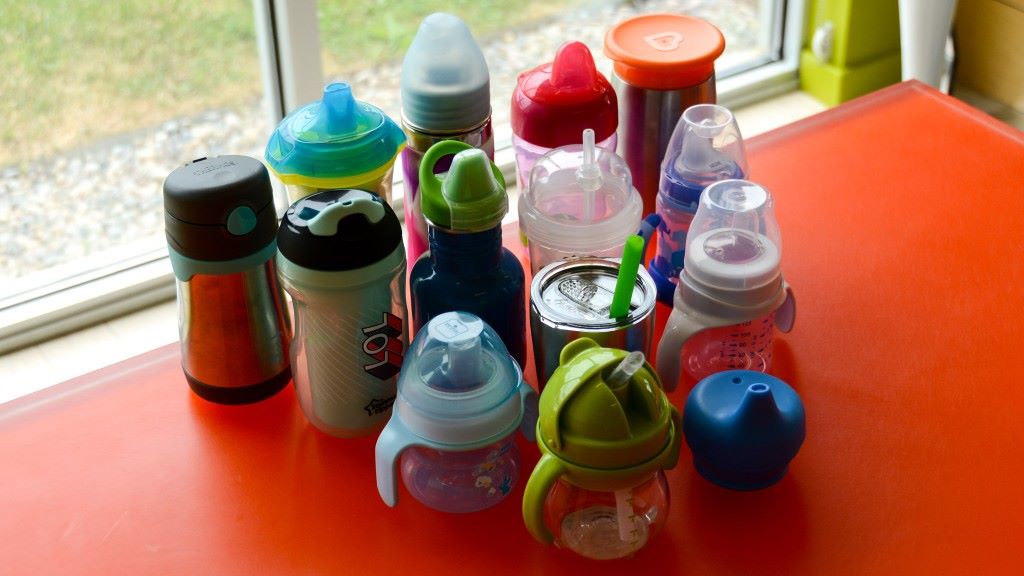
Types of Sippy Cups for Baby
1. Soft-Spout Sippy Cups
Soft-spout sippy cups feature a flexible, silicone spout that mimics the feel of a bottle nipple. They’re ideal for babies transitioning from bottles, as the soft spout is gentle on gums and emerging teeth.
- Best for: Babies 6–12 months transitioning from bottles.
- Pros: Gentle on gums, easy to clean, and encourages a natural sip.
- Cons: May leak if not sealed properly and can wear out over time.
2. Hard-Spout Sippy Cups
Hard-spout sippy cups have a rigid plastic spout, which helps babies learn to drink from a more traditional cup shape. They’re durable and often spill-proof, making them a good choice for older babies and toddlers.
- Best for: Babies 9–18 months learning to drink from a cup.
- Pros: Durable, spill-proof, and easy to clean.
- Cons: Harder spouts can be tough on gums and may cause leaks if not assembled correctly.
3. Straw Sippy Cups
Straw sippy cups use a straw instead of a spout, promoting better oral motor development and reducing the risk of dental issues. They’re ideal for toddlers who are ready to transition away from spouts.
- Best for: Toddlers 12+ months learning to drink from a straw.
- Pros: Encourages proper swallowing, reduces dental risks, and is easy to clean.
- Cons: Some babies struggle with straws at first, and cups may leak if not sealed properly.
4. 360-Degree Sippy Cups
360-degree sippy cups feature a spill-proof design that allows your baby to drink from any angle, just like a regular cup. They’re ideal for independent drinkers who are ready to transition away from spouts and straws.
- Best for: Toddlers 12+ months learning to drink from an open cup.
- Pros: Spill-proof, easy to clean, and encourages independent drinking.
- Cons: Can be tricky for younger babies to use and may require practice.
5. Insulated Sippy Cups
Insulated sippy cups keep liquids at a consistent temperature, making them ideal for cold milk or warm formula. They’re perfect for outings or long car rides.
- Best for: Travel, outings, or keeping drinks at the right temperature.
- Pros: Maintains temperature, durable, and often spill-proof.
- Cons: Can be heavier and more expensive than other options.
6. Eco-Friendly Sippy Cups
Eco-friendly sippy cups are made from sustainable materials like stainless steel, glass, or biodegradable plastics. They’re ideal for parents who prioritize environmental responsibility.
- Best for: Eco-conscious parents or those who prefer non-plastic options.
- Pros: Sustainable, non-toxic, and durable.
- Cons: Glass or stainless steel cups can be heavier and more expensive.
Key Features to Look For
1. Spill-Proof Design
A spill-proof design is essential for minimizing messes and making the transition to independent drinking easier. Look for cups with:
- Flow-Control Valves: Prevent leaks and spills while allowing your baby to sip easily.
- Sealed Lids: Ensure the cup doesn’t leak when tipped or dropped.
- Easy-to-Clean Valves: Valves that can be removed and washed thoroughly.
2. Material and Safety
The material of your sippy cup affects its safety, durability, and ease of cleaning. Look for cups made from:
- BPA-Free Plastic: Safe, lightweight, and durable.
- Silicone: Soft, flexible, and gentle on gums and teeth.
- Stainless Steel: Durable, eco-friendly, and non-toxic.
- Glass: Non-toxic and eco-friendly, but heavier and more fragile.
3. Ease of Use
A sippy cup should be easy for your baby to hold and drink from. Look for cups with:
- Ergonomic Handles: Easy for little hands to grip.
- Lightweight Design: Comfortable for your baby to hold and tip.
- Soft Spouts or Straws: Gentle on gums and easy to sip from.
4. Ease of Cleaning
Sippy cups should be easy to disassemble and clean to prevent mold and bacteria buildup. Look for cups with:
- Dishwasher-Safe Parts: Easy to clean and sanitize.
- Wide-Mouth Openings: Allow for thorough cleaning and drying.
- Removable Valves: Can be cleaned separately to prevent mold.
5. Durability
A durable sippy cup withstands drops, bites, and frequent use. Look for cups made from high-quality materials that won’t crack, leak, or wear out quickly.
6. Age Appropriateness
Choose a sippy cup that matches your baby’s developmental stage:
- 6–9 Months: Soft-spout or hard-spout cups with flow-control valves.
- 9–12 Months: Straw or 360-degree cups for independent drinking.
- 12+ Months: Open cups or advanced sippy cups for transitioning to regular cups.
7. Price and Value
Sippy cups range in price from budget-friendly to high-end. Set a budget that works for you and prioritize features like safety, ease of use, and durability.
How to Choose the Right Sippy Cup for Your Baby’s Needs
1. Consider Your Baby’s Age
Your baby’s age and developmental stage influence the best sippy cup for them:
- 6–9 Months: Soft-spout cups with flow-control valves help babies transition from bottles.
- 9–12 Months: Hard-spout or straw cups encourage independent drinking.
- 12+ Months: 360-degree or open cups prepare toddlers for regular cups.
2. Evaluate Your Baby’s Drinking Skills
Your baby’s ability to sip and swallow influences the best cup for them:
- Beginners: Soft-spout cups with flow-control valves reduce spills and choking hazards.
- Independent Drinkers: Straw or 360-degree cups encourage proper swallowing and reduce leaks.
- Advanced Drinkers: Open cups or advanced sippy cups help toddlers transition to regular cups.
3. Think About Your Lifestyle
Your lifestyle and needs influence the best sippy cup for you:
- Travel-Friendly: Insulated or compact cups are ideal for outings and car rides.
- Eco-Conscious: Stainless steel or glass cups are sustainable and non-toxic.
- Easy Cleaning: Dishwasher-safe cups with removable parts simplify maintenance.
4. Test for Comfort
If possible, let your baby test the cup before purchasing. Observe how easily they can hold and sip from it. If buying online, read reviews and look for cups with trial periods or return policies.
5. Check for Safety
Ensure the cup is made from non-toxic, BPA-free materials and meets safety standards. Avoid cups with small parts or loose components that could pose a choking hazard.
6. Set a Budget
Sippy cups range in price from $5 to over $20. Set a budget that works for you and prioritize features like safety, ease of use, and durability.
How to Introduce a Sippy Cup to Your Baby
Start with Small Amounts
Fill the cup with a small amount of liquid (water or breastmilk/formula) to minimize spills and messes. Offer the cup during mealtimes or when your baby is calm and relaxed.
Demonstrate How to Use It
Show your baby how to tip the cup and sip from the spout or straw. You can also gently guide the cup to their mouth to help them get the hang of it.
Be Patient
It may take time for your baby to learn how to use a sippy cup. Offer encouragement and praise their efforts, even if they spill or struggle at first.
Transition Gradually
Start by offering the sippy cup alongside a bottle or breast, gradually reducing bottle feedings as your baby becomes more comfortable with the cup.
Clean Regularly
Wash the cup and its parts thoroughly after each use to prevent mold and bacteria buildup. Follow the manufacturer’s cleaning instructions for best results.
Common Mistakes to Avoid
1. Choosing the Wrong Spout or Straw
A spout or straw that’s too hard or too soft can make drinking difficult or uncomfortable. Opt for a soft, flexible spout or an easy-to-use straw.
2. Ignoring Leaks
A leaky sippy cup can frustrate your baby and create messes. Always check the cup’s seal and valves to ensure they’re properly assembled.
3. Skipping the Trial Period
Many sippy cups come with trial periods or return policies. Take advantage of these to ensure the cup is right for your baby.
4. Neglecting Cleaning
Improper cleaning can lead to mold and bacteria buildup, posing health risks. Always disassemble and clean the cup thoroughly after each use.
5. Using the Wrong Cup for Your Baby’s Age
A cup that’s too advanced or too basic for your baby’s stage can hinder their progress. Choose a cup that matches their developmental needs.
FAQs About Sippy Cups for Baby
When should I introduce a sippy cup to my baby?
You can introduce a sippy cup around 6 months, when your baby starts showing interest in solid foods and drinking from a cup.
What’s the best sippy cup for a 6-month-old?
A soft-spout sippy cup with a flow-control valve is ideal for 6-month-olds transitioning from bottles.
How do I prevent leaks in my baby’s sippy cup?
Ensure the cup is properly assembled and the valves are clean and free from debris. Replace worn-out valves or seals as needed.
Can I use a straw cup for my 9-month-old?
Yes! Straw cups are great for 9-month-olds and encourage proper swallowing and oral motor development.
Are stainless steel sippy cups safe for babies?
Yes, stainless steel sippy cups are safe, durable, and eco-friendly. Just ensure they’re BPA-free and meet safety standards.
Conclusion
Choosing the best sippy cup for baby for safe and easy drinking is all about understanding your baby’s age, developmental stage, and personal preferences. By considering factors like spill-proof design, material, ease of use, and safety, you can find a cup that makes the transition to independent drinking smoother and more enjoyable.
The right sippy cup helps your baby develop essential skills while minimizing messes and frustration. Share your favorite sippy cup tips or ask questions in the comments below—let’s help each other find the perfect cup for our little ones!