Choosing the right baby stroller is one of the most important decisions new parents will make. A stroller is more than just a way to transport your baby—it’s a tool for convenience, safety, and comfort during outings, errands, and travel. With so many options available, finding the perfect stroller can feel overwhelming, especially when balancing features like safety, ease of use, and portability.
The wrong stroller can lead to frustration, discomfort, or even safety risks. The best baby stroller combines durability, maneuverability, and thoughtful design to make your life easier while keeping your little one secure. Whether you’re a first-time parent or upgrading for a new addition, understanding what to look for will help you make an informed choice.
If you’re searching for the best baby stroller to fit your lifestyle and keep your baby safe, this guide will walk you through everything you need to know.
Why the Right Baby Stroller Matters
A baby stroller is an essential piece of gear that impacts your daily routine and your baby’s comfort. According to a 2023 survey by the Juvenile Products Manufacturers Association (JPMA), over 70% of parents use a stroller daily, and 85% say that a well-designed stroller makes outings easier and more enjoyable. The right stroller provides several key benefits:
- Safety: A sturdy, well-built stroller protects your baby from falls, bumps, and other hazards. Look for models with secure harnesses, stable bases, and reliable braking systems.
- Convenience: Features like one-hand folding, adjustable handles, and ample storage make it easier to navigate busy streets, shopping malls, or travel destinations.
- Comfort: A comfortable stroller ensures your baby can nap, relax, or observe their surroundings without discomfort. Look for padded seats, reclining options, and smooth suspension.
- Durability: High-quality materials and construction ensure your stroller lasts through years of use, even with multiple children.
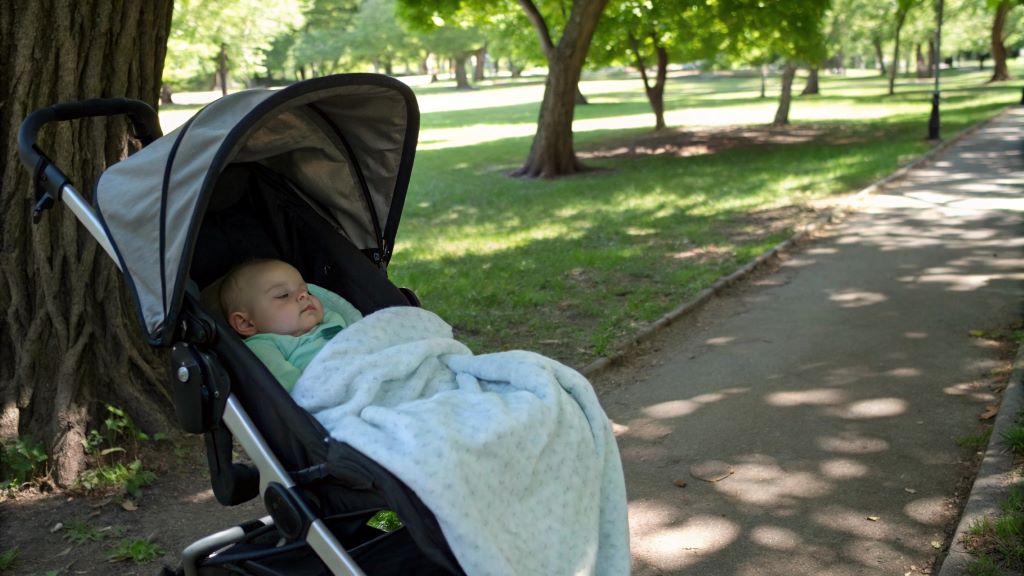
I remember the first time I took my daughter out in a cheap, flimsy stroller. The wheels wobbled, the handle was uncomfortable, and she fussed the entire time because the seat wasn’t padded. After upgrading to a well-designed, smooth-rolling stroller, our outings became a breeze. She napped peacefully, and I could maneuver effortlessly. The right stroller transformed our daily routines and made parenting so much easier.
Types of Baby Strollers
1. Standard Strollers
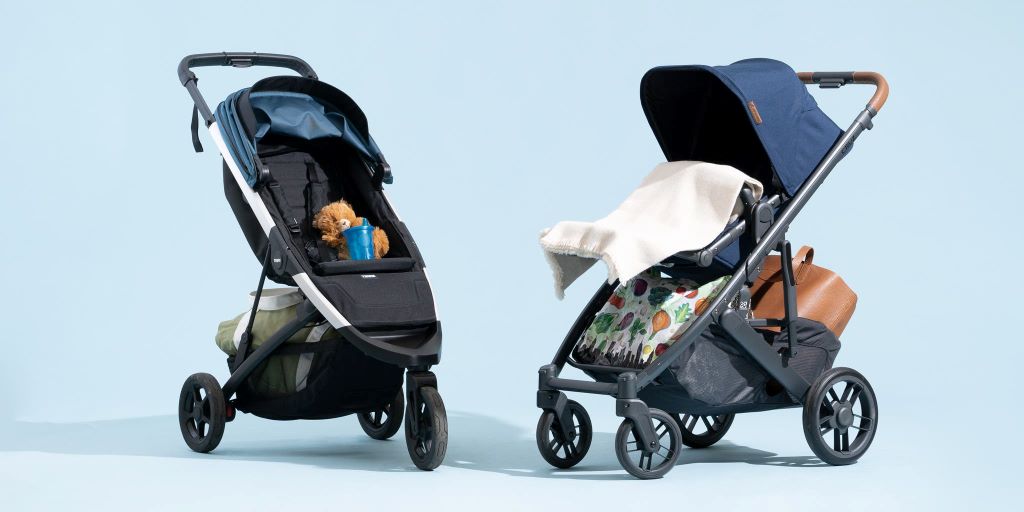
Standard strollers are versatile and designed for everyday use. They’re ideal for parents who need a reliable, all-purpose stroller for walks, errands, and outings. These strollers typically feature a reclining seat, storage basket, and adjustable handles.
- Best for: Daily use, errands, and walks.
- Pros: Durable, comfortable, and often include useful features like cup holders and canopies.
- Cons: Can be bulky and less portable than other types.
2. Lightweight Strollers
Lightweight strollers, also known as umbrella strollers, are compact and easy to fold, making them ideal for travel or quick trips. They’re perfect for parents who need a portable, no-frills option.
- Best for: Travel, quick outings, and parents on the go.
- Pros: Lightweight, easy to fold, and affordable.
- Cons: Less padding and fewer features than standard strollers.
3. Jogging Strollers
Jogging strollers are designed for active parents who want to run, hike, or walk on rough terrain. They feature large, air-filled tires, sturdy frames, and excellent suspension for a smooth ride.
- Best for: Running, hiking, or off-road adventures.
- Pros: Durable, excellent suspension, and designed for high-speed movement.
- Cons: Bulkier and heavier than other strollers, making them less practical for everyday use.
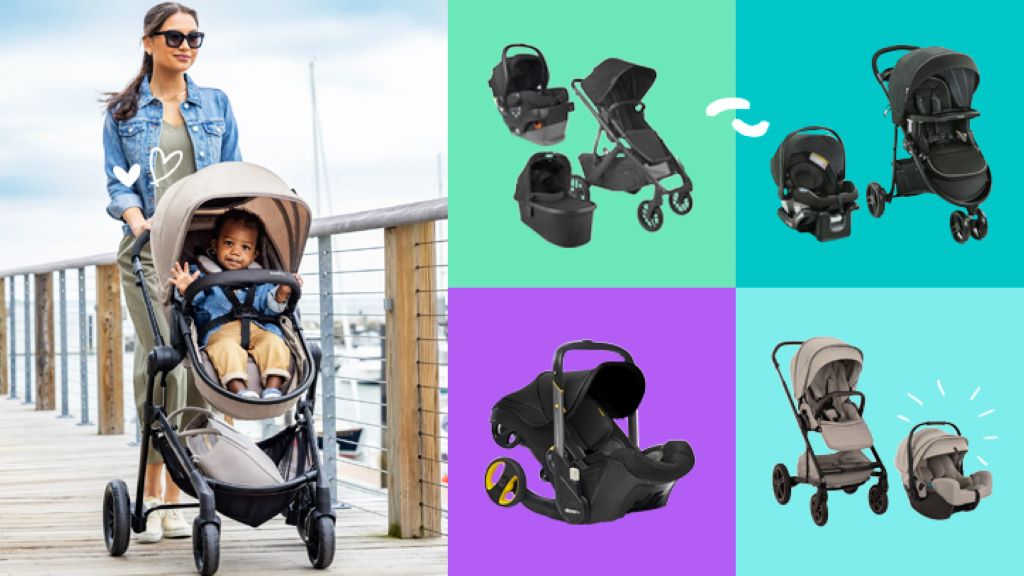
4. Travel Systems
Travel systems combine a stroller with an infant car seat, allowing you to move your baby seamlessly from the car to the stroller. They’re ideal for parents who want convenience and safety without transferring their baby between seats.
- Best for: Newborns, frequent car travelers, and parents who want a seamless transition.
- Pros: Safe, convenient, and eliminates the need to disturb your sleeping baby.
- Cons: Can be heavier and more expensive than other strollers.
5. Double Strollers
Double strollers are designed for parents with twins or two young children. They come in side-by-side or tandem (front-to-back) configurations, each with its own benefits.
- Best for: Twins, siblings close in age, or families with two young children.
- Pros: Accommodates two children, often with adjustable seats and storage.
- Cons: Wider and heavier than single strollers, making them less maneuverable in tight spaces.
6. Luxury Strollers
Luxury strollers offer premium features like high-end materials, advanced suspension, and stylish designs. They’re ideal for parents who want the best in comfort, convenience, and aesthetics.
- Best for: Parents who prioritize style, comfort, and high-quality materials.
- Pros: Superior comfort, durability, and often include innovative features.
- Cons: Expensive and may be overkill for parents who don’t need advanced features.
Key Features to Look For
1. Safety
Safety is the most important feature to consider when choosing a stroller. Look for:
- Five-Point Harness: Secures your baby safely and prevents them from slipping or falling out.
- Sturdy Frame: A strong, stable frame prevents tipping or wobbling.
- Reliable Brakes: Easy-to-use brakes that lock the wheels in place, especially on inclines.
- JPMA Certification: Ensures the stroller meets safety standards set by the Juvenile Products Manufacturers Association.
2. Maneuverability
A stroller should be easy to push, turn, and navigate, especially in crowded or tight spaces. Look for:
- Swivel Wheels: Front wheels that swivel for easy steering and lock for stability on rough terrain.
- Suspension: Shock-absorbing suspension smooths out bumps for a comfortable ride.
- Lightweight Design: Easier to push and maneuver, especially for long outings.
3. Comfort
Your baby’s comfort is essential for enjoyable outings. Look for strollers with:
- Padded Seats: Cushioned seats provide support and comfort for naps and long rides.
- Reclining Options: Adjustable reclining positions allow your baby to sit upright or lie down for naps.
- Canopy: A large, adjustable canopy protects your baby from sun, wind, and rain.
4. Storage and Convenience
A stroller with ample storage and convenient features makes outings easier. Look for:
- Storage Basket: A large, accessible basket for diaper bags, snacks, and other essentials.
- Cup Holders: Convenient for holding drinks or baby bottles.
- One-Hand Folding: Easy to fold and unfold with one hand, especially when holding your baby.
- Adjustable Handles: Handles that adjust to your height for comfortable pushing.
5. Portability
If you travel frequently or have limited storage space, portability is key. Look for:
- Compact Fold: Strollers that fold down small for easy storage in cars or closets.
- Lightweight: Easy to carry and transport, especially for air travel.
- Travel-Friendly: Strollers that meet airline size requirements for gate-checking.
6. Durability
A durable stroller withstands daily use and lasts through multiple children. Look for:
- High-Quality Materials: Sturdy fabrics, reinforced seams, and durable frames.
- Easy-to-Clean Fabrics: Machine-washable or wipeable fabrics for quick cleanups.
- Warranty: A manufacturer’s warranty that covers defects and wear.
7. Age Appropriateness
Choose a stroller that matches your baby’s age and developmental stage:
- Newborns: Need a stroller with a fully reclining seat or a travel system with an infant car seat.
- Toddlers: Can use upright strollers with adjustable seats and safety harnesses.
- Older Children: May prefer lightweight or umbrella strollers for quick outings.
8. Price and Value
Baby strollers range in price from budget-friendly to high-end. Set a budget that works for you and prioritize features that matter most, such as safety, maneuverability, and comfort.
How to Choose the Right Baby Stroller for Your Needs
1. Assess Your Lifestyle
Your lifestyle and daily routines influence the best stroller for you:
- Urban Parents: Opt for compact, maneuverable strollers with swivel wheels for navigating sidewalks and public transit.
- Suburban Parents: Choose strollers with large storage baskets and all-terrain wheels for errands and park outings.
- Active Parents: Jogging strollers with excellent suspension and durable frames are ideal for running or hiking.
- Frequent Travelers: Lightweight, compact strollers that fold easily and meet airline requirements are best for travel.
2. Consider Your Baby’s Age
Your baby’s age and developmental stage influence the best stroller for them:
- Newborns: Need a stroller with a fully reclining seat or a travel system with an infant car seat.
- Toddlers: Can use upright strollers with adjustable seats and safety harnesses.
- Twins or Siblings: Double strollers accommodate two children comfortably.
3. Think About Storage Space
If you have limited storage space at home or in your car, opt for a compact, lightweight stroller that folds easily. Consider where you’ll store the stroller when not in use and how easy it is to transport.
4. Test for Comfort
If possible, test the stroller before purchasing. Push it around the store, adjust the handles, and check the seat’s comfort. If buying online, read reviews and look for strollers with trial periods or return policies.
5. Check for Safety Certifications
Ensure the stroller meets safety standards, such as JPMA certification, and has features like a five-point harness and reliable brakes.
6. Set a Budget
Baby strollers range in price from $50 to over $1,000. Set a budget that works for you and prioritize features that matter most, such as safety, maneuverability, and comfort.
How to Use and Maintain Your Baby Stroller
Using Your Stroller
- Read the Manual: Follow the manufacturer’s instructions for assembly, use, and safety guidelines.
- Adjust the Seat: Recline the seat to the appropriate position for your baby’s age and comfort.
- Secure Your Baby: Always use the five-point harness to secure your baby safely.
- Engage the Brakes: Use the brakes whenever you stop, especially on inclines.
- Practice Maneuvering: Get comfortable pushing, turning, and folding the stroller before taking it out.
Maintaining Your Stroller
- Clean Regularly: Wipe down the stroller with a damp cloth and mild soap. Remove and wash the seat cover if possible.
- Check for Wear: Inspect the stroller regularly for signs of wear, such as loose wheels or frayed straps.
- Lubricate Wheels: Keep the wheels clean and lubricated for smooth rolling.
- Store Properly: Keep the stroller in a dry, cool place to prevent damage from moisture or heat.
- Follow the Warranty: Register your stroller and follow the manufacturer’s warranty guidelines for repairs or replacements.
Common Mistakes to Avoid
1. Choosing Based on Looks Alone
While style is important, prioritize safety, comfort, and functionality. A stroller that looks great but lacks essential features won’t serve you well in the long run.
2. Ignoring Safety Features
A stroller without a five-point harness, reliable brakes, or a sturdy frame can pose safety risks. Always prioritize safety over other features.
3. Skipping the Test Drive
Pushing and maneuvering a stroller in the store helps you gauge its comfort and ease of use. If buying online, read reviews and look for strollers with trial periods.
4. Overlooking Portability
A bulky or heavy stroller can be difficult to transport and store. Consider your lifestyle and storage space when choosing a stroller.
5. Neglecting Maintenance
Regular cleaning and maintenance extend the life of your stroller and ensure it remains safe and functional. Follow the manufacturer’s care instructions to keep it in good condition.
FAQs About Baby Strollers
When should I start using a stroller for my baby?
You can start using a stroller as soon as your baby is born, but ensure it has a fully reclining seat or is part of a travel system with an infant car seat.
What’s the best stroller for travel?
Lightweight, compact strollers that fold easily and meet airline size requirements are ideal for travel. Look for models with one-hand folding and durable construction.
Can I use a jogging stroller for everyday use?
Yes, but jogging strollers are bulkier and heavier than standard strollers, making them less practical for everyday errands or tight spaces.
How do I clean my baby stroller?
Wipe down the stroller with a damp cloth and mild soap. Remove and wash the seat cover if possible, and avoid harsh chemicals that can damage the fabric.
Are luxury strollers worth the investment?
Luxury strollers offer premium features like advanced suspension, high-quality materials, and innovative designs. If you prioritize comfort and convenience, they can be worth the investment.
Conclusion
Choosing the best baby stroller for safety and convenience is all about understanding your lifestyle, your baby’s needs, and the features that matter most to you. By considering factors like safety, maneuverability, comfort, and durability, you can find a stroller that makes your life easier and keeps your baby secure.
The right stroller transforms your outings, allowing you to explore the world with confidence and ease. Share your favorite stroller tips or ask questions in the comments below—let’s help each other find the perfect stroller for our little ones!