
Watch your little one flash that first gummy grin, then suddenly a tiny white speck appears. Parents everywhere light up with joy and a touch of worry. A baby teeth chart becomes your best friend during this exciting stage. According to the American Academy of Pediatric Dentistry (AAPD), primary teeth start erupting around 6 months and complete by age 3 in most children. This guide walks you through every stage of dental development in children, from tooth eruption patterns to oral care tips.
What Exactly Is a Baby Teeth Chart?
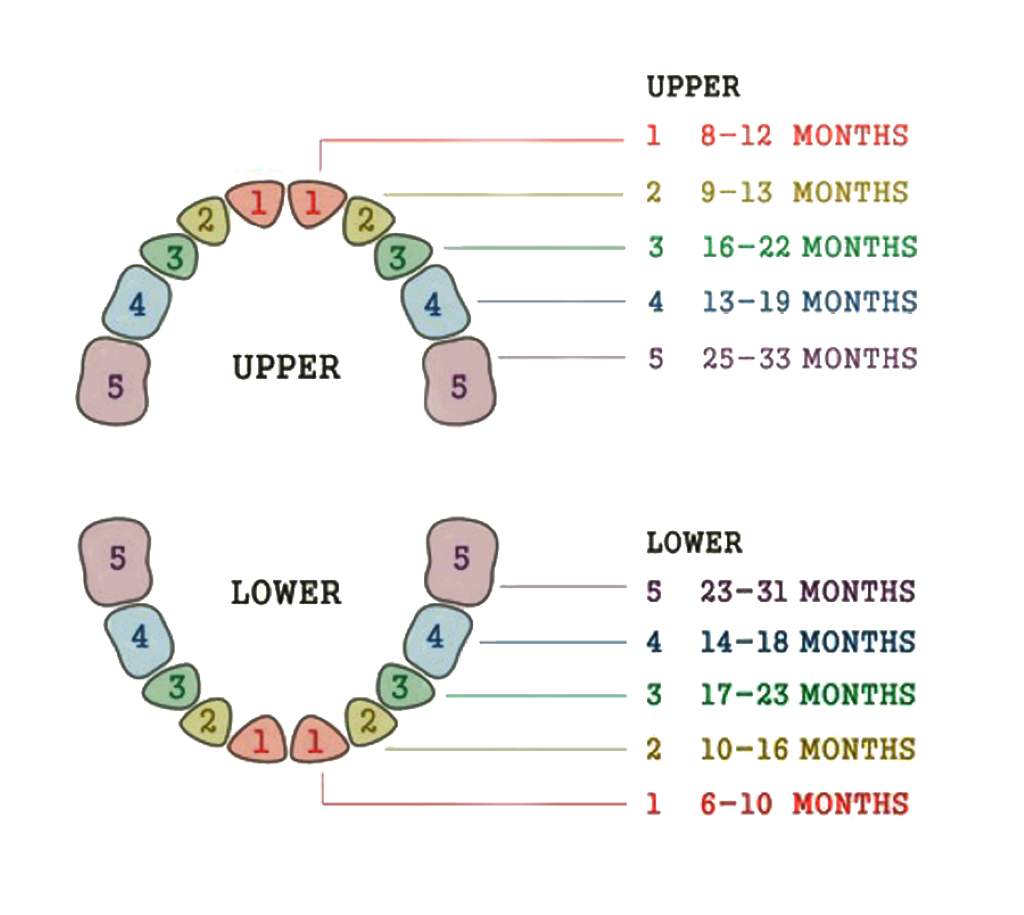
Parents rely on a baby teeth chart to predict when milk teeth appear. This visual tool maps out the 20 deciduous teeth that fill your child’s mouth before permanent teeth take over.
Charts show typical eruption ages and order, helping to identify dental development or delays early. Pediatric dentists create these using data from thousands of kids worldwide. Additionally, Montessori Baby Sensory & Teething Toys are great for soothing discomfort during teething while encouraging sensory exploration.
Why Understanding Tooth Eruption Matters
Early dental health sets the foundation for life. The Centers for Disease Control and Prevention (CDC) reports that proper baby tooth care prevents 50% of cavities in permanent teeth later.
Additionally, tracking tooth eruption guides parents on teething symptoms and remedies. You learn when to expect drooling, fussiness, or sleep changes. Most importantly, you know when to schedule the first dental check-up.
The Standard Baby Teeth Growth Chart
Every child follows a unique pace, yet most stick close to this timeline. Lower teeth usually appear first, followed by their upper partners.
Lower Central Incisor (6-10 months)
These two bottom front teeth break through first. Babies often chew everything in sight during this phase.
Upper Central Incisor (8-12 months)
The top front pair follows quickly. Suddenly, your baby sports four adorable front teeth perfect for photos.
Upper Lateral Incisor (9-13 months)
Next come the teeth beside the upper centrals. Smiles grow wider and cuter every day.
Lower Lateral Incisor (10-16 months)
The lower sides complete the front eight. Many parents celebrate the “jack-o-lantern” look at this stage.
First Molar Arrival (13-19 months)
These larger back teeth handle serious chewing. Toddlers start enjoying more textured foods now.
Canine Teeth (Cuspid) (16-23 months)
Sharp canine teeth fill the gaps. These pointed teeth help tear food effectively.
Second Molars (23-33 months)
The final four teeth complete the set. Your child now has 20 primary teeth ready for action. Explore The Ultimate Guide to Baby Teething Toys.
Baby Teething Symptoms Parents Notice Most
Teething turns sweet babies into cranky ones overnight. Common signs appear days or weeks before teeth emerge.
- Increased drooling that soaks bibs constantly
- Red, swollen gum tissue where teeth push through
- Intense chewing on toys, fingers, or teething rings
- Mild fever under 100.4°F (higher needs doctor attention)
- Disrupted sleep patterns and nighttime waking
- Irritability that nothing seems to soothe
However, severe symptoms like high fever or diarrhea usually signal illness, not teething.
Safe Teething Remedies That Actually Work
Parents search desperately for relief during tough nights. These proven methods bring comfort safely.
- Chill a clean washcloth for gentle chewing
- Offer silicone teething rings from the fridge
- Massage gums with clean fingers
- Provide cold fruits in mesh feeders after 6 months
- Use teething biscuits designed for dissolving safely
- Try amber teething necklaces only under constant supervision
Always avoid frozen items that could hurt delicate gums.
Creating Your Child’s Dental Home Early
The AAPD recommends the first dental visit by age 1. This “dental home” builds trust and catches issues early.
Furthermore, pediatric dentists apply fluoride varnish during visits. This simple treatment reduces cavities by 43% according to research. Regular dental check-ups every six months become routine family habits.
Daily Oral Care Routine for Baby Chompers
Start cleaning gums even before teeth appear. Good habits prevent problems later.
- Wipe gums with soft cloth after feeding
- Brush twice daily with rice-grain sized fluoride toothpaste at first tooth
- Upgrade to pea-sized amount at age 3
- Use soft-bristled toothbrush like Colgate® Minions™ Toothbrush
- Introduce flossing when teeth touch
- Choose electric toothbrush for better cleaning as kids grow
Nutrition That Supports Strong Dental Development
Food choices impact tooth eruption and strength. Certain nutrients play starring roles.
Calcium builds enamel while vitamin D helps absorption. Protein supports jaw structure growth. Avoid frequent sugary drinks that feed cavity-causing bacteria.
Instead, offer water between meals and limit juice to 4 ounces daily. Breast milk or formula remains primary until age 1.
When Tooth Eruption Runs Late or Early
Some babies cut teeth at 3 months while others wait until 12 months. Both can stay perfectly normal.
However, consult your pediatric primary care provider if:
- No teeth by 18 months
- Teeth appear before 4 months
- Significant asymmetry in eruption patterns
- Unusual spacing or alignment concerns
Early intervention prevents future orthodontic needs.
Eruption Charts vs Growth Charts: Understanding Differences
Parents often confuse dental development charts with height/weight charts. Both track milestones differently.
Dental eruption charts focus solely on tooth appearance timing. Growth charts monitor overall physical development. Together, they paint a complete picture of your child’s progress.
Common Myths About Baby Teeth Debunked
Misinformation spreads quickly among new parents. Let’s clear up popular myths.
Myth: Baby teeth don’t matter since they fall out anyway. Truth: Primary teeth hold space for permanent teeth and aid speech development.
Myth: Teething causes high fever and diarrhea. Truth: Teething may cause mild symptoms but not serious illness.
Myth: All kids follow the exact same timeline. Truth: Variations of several months remain completely normal.
Tools Every Parent Needs for Tracking Dental Health
Modern parents enjoy helpful resources for monitoring progress.
- Printable baby teeth charts for fridge display
- Pampers Rewards app with dental milestone trackers
- Keswick Kids Dental growth tracking tools
- Tooth eruption guide apps with photo features
- Dental development journals for recording firsts
Special Considerations for Premature Babies
Preemies often follow corrected age for tooth eruption. This means counting from due date, not birth date.
Consequently, their first teeth may appear later than full-term peers. Patience and regular check-ups ensure proper development.
Transition from Milk Teeth to Permanent Teeth
Primary teeth start falling out around age 6. This mixed dentition phase lasts until age 12.
Meanwhile, permanent teeth prepare underneath. First molars arrive behind baby teeth without replacing any. Space maintenance becomes crucial if primary teeth lose early.
Protecting Your Investment in Oral Health
Prevention beats treatment every time. Simple daily habits create lifelong benefits.
Professional care complements home routines perfectly. Dental professionals offer full range of kids dental services from cleanings to sealants.
Schedule appointment online easily at modern clinics. Many locations welcome new patients with warm, child-friendly environments.
Red Flags That Require Immediate Dental Attention
Some symptoms need prompt professional evaluation.
- Persistent pain lasting over 48 hours
- Swelling that spreads to face or neck
- Bleeding that won’t stop
- Dark spots on teeth indicating decay
- Injury to mouth or teeth from falls
Quick action prevents complications and eases discomfort.
Building Positive Dental Experiences
First visits shape lifelong attitudes toward dental care. Choose kid-friendly offices wisely.
Look for waiting rooms with toys and books. Friendly staff who explain procedures simply help too. Short, positive visits build trust gradually.
The Future of Pediatric Dental Care
Technology transforms children’s dentistry rapidly. New tools make visits faster and more comfortable.
Digital scanners replace messy impressions. Laser treatments reduce need for drilling. Virtual reality distracts anxious patients effectively.
Conclusion
Your baby’s dental journey starts long before that first tooth appears. This baby teeth chart guides you through every milestone with confidence. Track progress, manage teething symptoms, and establish excellent oral care habits early.
Start today by downloading a printable chart and scheduling that first dental appointment. Your child’s bright, healthy smile will thank you for years to come.
FAQs
When should I expect my baby’s first tooth using a baby teeth chart?
Most babies cut their first tooth between 6-10 months. Lower central incisors typically appear first. However, some healthy babies get teeth as early as 3 months or as late as 12 months.
How accurate are baby teeth eruption charts?
These charts show average timelines based on large population studies. Individual children may vary by several months. Significant delays beyond 18 months warrant professional evaluation.
What teething remedies work best according to pediatric dentists?
Chilled teething rings and gum massage provide safe, effective relief. Avoid amber teething necklaces due to choking risks. Over-the-counter pain relief requires doctor approval first.
When should my child have their first dental appointment?
The American Academy of Pediatric Dentistry recommends age 1 or within 6 months of first tooth. Early visits prevent problems and reduce future anxiety.
How does fluoride toothpaste benefit baby teeth?
Fluoride strengthens enamel and prevents cavities effectively. Use a rice-grain sized smear for children under 3. This simple step reduces decay risk by 25% according to research.
References
- American Academy of Pediatric Dentistry: https://www.aapd.org/resources/parent/faq/
- Centers for Disease Control and Prevention Oral Health: https://www.cdc.gov/oralhealth/basics/childrens-oral-health/index.html
- American Dental Association Baby Teeth: https://www.mouthhealthy.org/life-stages/babies-and-kids