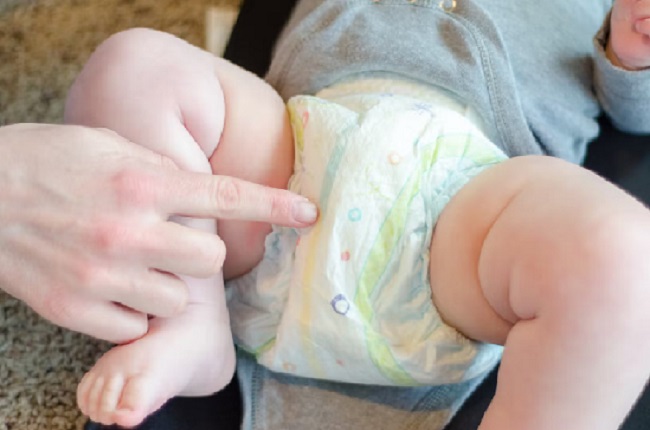

Your baby is finally asleep in your arms, and the bassinet looks like a trap waiting to wake them the second you lower them down. If you have repeated that slow, careful transfer five times tonight, you already know why learning how to get a baby to sleep in a bassinet (Without the Struggle) is a real skill. The good news: it is learnable.
Quick answer: Wait until your baby is fully asleep or drowsy, warm the bassinet sheet first, then lower them feet-first with your hands still on their chest for a minute before you step away. Most struggles come down to timing, temperature, and a startle reflex that a snug swaddle handles well.
This guide walks through the setup, the transfer itself, and the mistakes that sabotage it. By the end you will have a repeatable routine you can use at naps and night sleep.
What you need before starting
Getting the environment right beforehand does most of the work. Gather these items and set them up before your baby gets tired, not while they are already fussing in your arms.
- A safe bassinet. Check the label for the relevant safety standard in your country, confirm the mattress is firm and fits tightly with no gaps, and keep the sleep space free of pillows, blankets, and toys.
- A swaddle or sleep sack. Swaddling helps with the startle reflex in the first weeks. Switch to a sleep sack once your baby shows signs of rolling.
- A fitted sheet plus a warming pad or hot water bottle. You will remove the warming item before your baby goes in. It exists only to take the chill off the sheet.
- A white noise machine. Steady sound masks the click of a door latch or a floorboard creak during the transfer.
- Blackout curtains. Darkness signals sleep and reduces distractions.
- A pacifier, if you use one. Offer it at the start of the wind-down, not mid-transfer.
Set the sleep space correctly
Place the bassinet beside your bed with the top edge reachable from a sitting position. If you have to stand up and lean over the rail, the transfer becomes clumsy at exactly the wrong moment. Lower the room light about twenty minutes before sleep, and set white noise to a constant, moderate volume for the whole sleep period. The sound should not stop when the baby settles, because a sudden silence can wake a light sleeper.
Know your baby’s sleep timing
Newborns fall into deep sleep roughly ten to twenty minutes after they drop off. Transfer too early and the startle reflex fires. Transfer too late and the baby may surface into lighter sleep. Watch for the signs of deep sleep: limp arms, slow and even breathing, relaxed hands, and no eyelid fluttering. That window is your moment.
Aim for a consistent bedtime, but expect it to be loose in the first eight to twelve weeks. Young babies do not have a settled body clock yet, so a routine helps your household more than it schedules your baby.
Follow the safe-sleep guidance from your pediatrician or health authority. Place your baby on their back, on a firm, flat surface, with nothing loose in the bassinet.
Step-by-step instructions
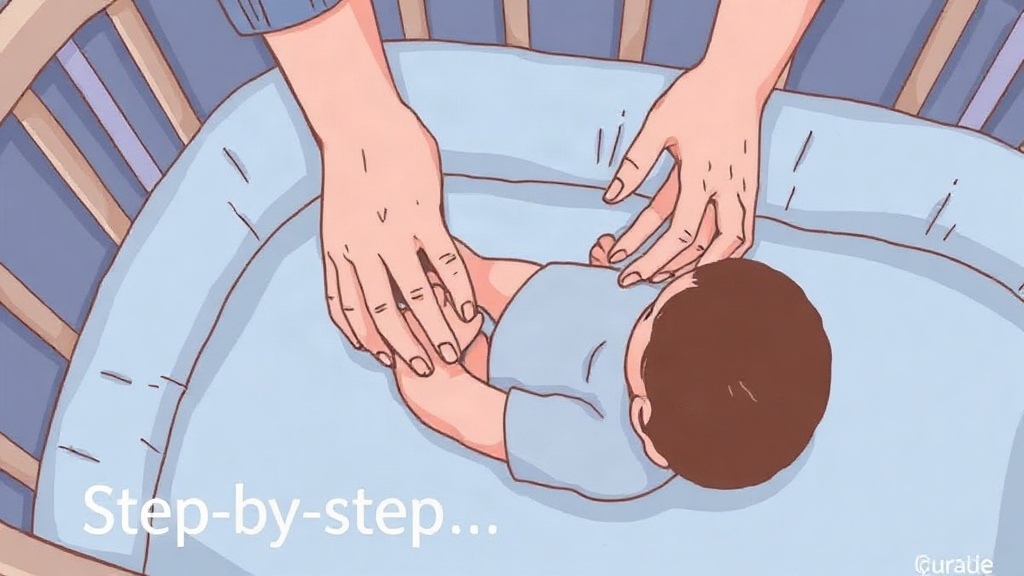
Work through these steps in order at every sleep. A consistent sequence teaches your baby what comes next.
- Wind down for fifteen minutes. Dim the lights, change the diaper, feed, and burp. Keep your voice low and your movements slow. The goal is a calm baby, not a sleepy one fighting the swaddle.
- Swaddle snugly. Arms down, fabric firm across the chest, hips able to bend. A loose swaddle tangles, and an over-tight one overheats. Two fingers should slide under the fabric at the chest.
- Warm the bassinet sheet. Place the warming pad or hot water bottle on the sheet for a few minutes, then remove it entirely and test the sheet with your hand. It should feel comfortably warm, never hot.
- Start the white noise. Set it before you begin the transfer so the sound is already running when your baby lands.
- Hold your baby upright against your chest. Let the startle reflex settle and the breathing deepen. Rock gently and wait until the arms hang loose.
- Lower feet-first, then bottom, then head. Keep your hands on your baby’s chest and side as you go. The feeling of your hands stays continuous, so the surface change feels smaller.
- Hold for one full minute. Rest your palms on the chest and pause. If your baby stirs, keep your hands still and shush gently rather than lifting them back up.
- Withdraw slowly, hands last. Slide one hand out at a time. Keep your body close to the bassinet for another thirty seconds before you walk away.
That one minute of contact after the lowering is the part most parents skip. It is often the difference between a settled baby and a restart. Watch for relaxed hands each time.
Tips for better results
Small adjustments to the room, the timing, and your own body make the routine steadier. Try one change at a time so you can tell what works.
- Dress your baby for the room, not the season. Overheating is a common cause of restless sleep. Check the back of the neck; if it feels sweaty, remove a layer.
- Use the same short phrase every time. Say something like “night” in a soft, steady voice. Over a few weeks it becomes a sleep cue your baby connects with rest.
- Keep night feeds boring. Low light, no talking, minimal diaper changes. Your baby learns that night is for sleeping, not socializing.
- Put the bassinet where you can see it but not where every twitch wakes you. A cot-side bassinet gives you both more rest.
- Try a gradual hand release. If your baby wakes the moment you withdraw, rest one hand on the chest and one on the side, then remove the side hand first.
When to try drowsy but awake
Once your baby is past the newborn phase, try placing them down drowsy rather than fully asleep. Begin with the first nap of the day, when sleep pressure is easier to manage. If it fails, revert to full-asleep transfers for a few days and try again. This is a slow shift, not a switch.
When the bassinet itself is the problem
Some babies resist because the mattress is firm, or because the space feels too wide after the close contact of your arms. A swaddle and a warmed sheet solve most of that. If your baby arches, grunts, or wakes within minutes every time, raise it with your pediatrician; reflux and other issues can look like bassinet refusal.
Common mistakes to avoid
Most struggles trace back to a handful of fixable habits. Check this list against your routine before you change anything else.
| Mistake | Why it backfires | Better approach |
|---|---|---|
| Placing the baby down too early | The startle reflex fires before deep sleep | Wait for limp arms and slow breathing |
| Skipping the sheet warming | A cold sheet jolts a settled baby | Warm it, then remove the heat source |
| Lifting the baby back up at the first stir | Teaches that stirring ends sleep | Keep hands still and shush gently |
| Changing the routine every night | The baby never learns the cues | Hold one sequence for a week |
| Over-bundling | Overheating causes restlessness | Check the back of the neck |
Beyond the table, watch for these traps. Rushing the wind-down is a common one; a baby who was laughing five minutes ago rarely settles in a dark room. Swaddling too loosely is another, because a hand that breaks free becomes a toy. Skipping burping leads to gas that surfaces mid-transfer. Finally, keeping the room bright during night feeds resets the body clock just as it begins to settle.
If your baby consistently resists the bassinet after two weeks of consistent practice, or shows signs of discomfort such as arching or frequent waking, talk to your pediatrician. A stubborn sleeper is normal; pain or breathing trouble is not.
FAQ
How long should I wait before transferring my baby to the bassinet?
Watch for limp arms, relaxed hands, and slow, even breathing, usually about ten to twenty minutes after your baby falls asleep. Transferring at that point avoids the startle reflex that fires in lighter sleep. If your baby stirs, keep your hands on the chest and wait rather than lifting them out.
Why does my baby wake the second I put them down?
The sudden change in temperature and the loss of your hands set off the startle reflex. Warm the sheet first, lower your baby feet-first, and keep your palms on the chest for a full minute. A snug swaddle also helps by keeping the arms contained when the reflex kicks in.
Is it safe to use a hot water bottle to warm the bassinet?
Yes, as long as you remove it completely before your baby goes in. Test the sheet with your hand; it should feel comfortably warm, never hot. Never leave the bottle or pad in the sleep space, even for a nap.
Can I let my baby cry it out in a bassinet?
Crying-based methods are generally discussed for babies around four to six months or older. In the newborn phase, respond to crying with feeding, soothing, and contact instead. Ask your pediatrician about what suits your baby’s age before trying any sleep training approach.
My baby sleeps fine in my arms but not in the bassinet. Is that normal?
Yes. Your arms offer warmth, movement, and your heartbeat, which the bassinet cannot match. Recreate what you can: warm the sheet, swaddle snugly, use steady white noise, and lower your baby slowly. Most babies adjust within a few weeks of a consistent routine.
Conclusion
Getting a baby to sleep in a bassinet comes down to a warm surface, a snug swaddle, and a slow, hands-on transfer at the right moment. Wait for deep sleep, lower feet-first, and hold the chest for a full minute before you step away. The mistakes that ruin the transfer are predictable, and you can fix each one.
Learning how to get a baby to sleep in a bassinet (Without the Struggle) takes about a week of consistent practice. Pick one routine tonight and repeat it at every nap and bedtime for seven days. If your baby still resists after that, speak with your pediatrician and keep the routine steady while you troubleshoot.