
Choosing a baby crib is one of the most important decisions new parents make. Your baby will spend up to 16 hours a day sleeping during the first year, according to the American Academy of Pediatrics. At the same time, the Consumer Product Safety Commission reports that thousands of crib related injuries occur each year due to unsafe designs or misuse. Therefore, selecting the best baby cribs is not just about style. It directly affects your baby’s safety, sleep quality, and long term comfort. This guide breaks everything down into clear, practical steps so you can confidently choose the best crib for your family.
Why Choosing the Right Baby Crib Matters
A crib is more than a piece of furniture. It becomes your baby’s primary sleep environment for years. Therefore, it must meet strict safety standards while also supporting healthy development.
First, safe sleep reduces the risk of Sudden Infant Death Syndrome. Experts recommend placing babies on a firm mattress in a well designed crib without loose items. Moreover, a properly built crib prevents accidents like entrapment or falls.
Comfort also plays a major role. Babies sleep better in stable, well ventilated spaces. As a result, a high quality crib can improve sleep patterns for both baby and parents.
Long term use matters too. Instead of replacing furniture every year, many parents now prefer convertible cribs that grow with the child. This makes the investment more practical and sustainable.
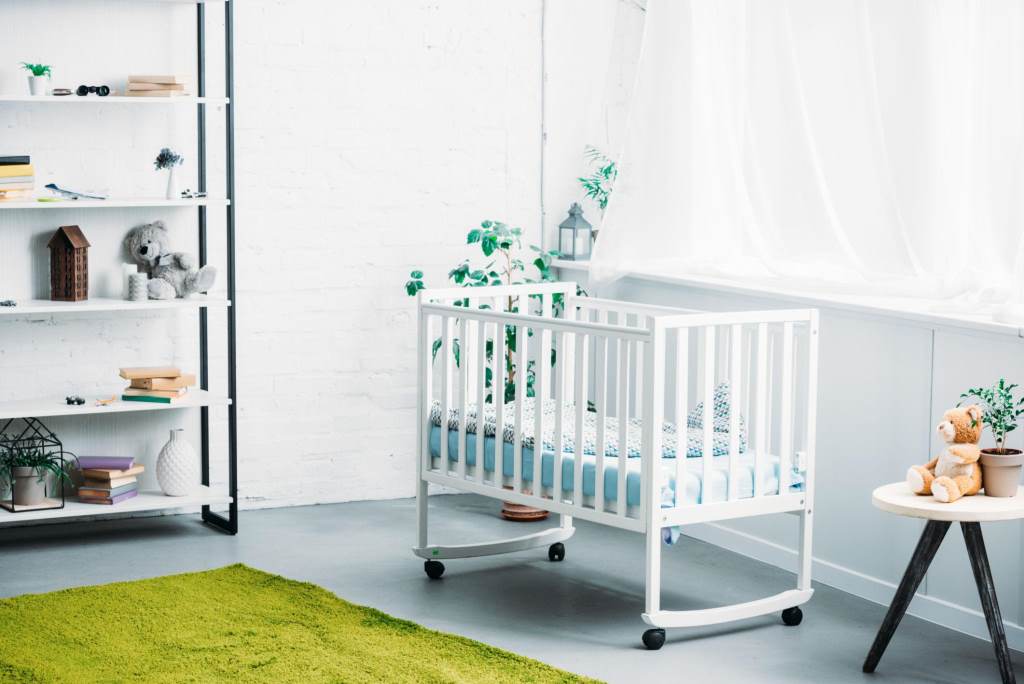
Types of Baby Cribs You Should Know
Understanding crib types helps you match your choice to your lifestyle and space.
Standard Cribs
Standard cribs are the most common option. They are sturdy, reliable, and designed for long term use. In addition, they fit standard mattresses, which makes replacement easy.
Convertible Cribs
Convertible cribs transform into toddler beds, daybeds, or even full size beds. Therefore, they offer long term value. Many parents choose this option to avoid buying multiple beds over time.
Mini Cribs
Mini cribs work well in small spaces or apartments. They are compact but still safe. However, babies outgrow them faster, so they are best for short term use.
Portable Cribs
Portable cribs are lightweight and foldable. They are ideal for travel or moving between rooms. Even so, they should still meet safety standards like any permanent crib.
Key Safety Features to Look For
Safety should always be your top priority. Every crib must meet strict guidelines before you consider comfort or design.
Slat Spacing and Structure
Crib slats should be no more than 2 and 3 eighths inches apart. This prevents babies from getting stuck. Additionally, the frame must feel solid with no wobbling or loose parts.
Mattress Fit
The mattress must fit tightly inside the crib. You should not be able to fit more than two fingers between the mattress and the frame. Otherwise, there is a risk of entrapment.
Adjustable Mattress Height
Many cribs offer adjustable mattress levels. This feature allows you to lower the mattress as your baby grows. As a result, it reduces the risk of climbing and falling.
Non Toxic Materials
Look for cribs made with non toxic finishes. Babies often chew on crib rails, so materials must be safe. Certifications like GREENGUARD can provide extra assurance.
No Drop Side Design
Drop side cribs are no longer considered safe. Modern designs use fixed sides to prevent mechanical failure and injury.
Choosing the Right Mattress for Comfort
A crib is only as comfortable as its mattress. Therefore, selecting the right one is essential.
Firmness Matters
A firm mattress supports your baby’s developing spine. Soft mattresses increase the risk of suffocation. Always choose a mattress labeled as firm for infants.
Breathability and Materials
Breathable materials improve airflow and reduce overheating. Organic cotton covers and foam or innerspring cores are common options.
Waterproof and Easy Cleaning
Babies can be messy. Therefore, a waterproof or easy to clean mattress saves time and effort. Look for removable covers that can be washed regularly.
Proper Size Fit
Always match the mattress size to the crib. Standard cribs require standard mattresses. Using the wrong size can create dangerous gaps.
Crib Materials and Build Quality
The material of a crib affects durability, safety, and appearance.
Solid Wood vs Engineered Wood
Solid wood cribs are strong and long lasting. Engineered wood options are more affordable but may not last as long. Therefore, consider how long you plan to use the crib.
Metal Cribs
Metal cribs offer a modern look and strong durability. They are often lighter than wood but still stable.
Finish and Paint Safety
Ensure the finish is lead free and non toxic. This is especially important because babies explore with their mouths.
Long Term Use and Growth Flexibility
Planning ahead can save time and effort later.
Convertible Options
Convertible cribs adapt as your child grows. They can change into toddler beds or full beds. This makes them a practical long term solution.
Adjustable Features
Look for features that grow with your baby, such as adjustable heights and removable rails.
Durability Over Time
A high quality crib should last several years. Therefore, check reviews and build quality before making a decision.
Nursery Space and Crib Placement
Where you place the crib is just as important as the crib itself.
Safe Positioning
Place the crib away from windows, curtains, and cords. These can pose strangulation risks. Additionally, avoid placing it near heaters or direct sunlight.
Room Size Consideration
Measure your space before buying a crib. A large crib in a small room can limit movement and create hazards.
Easy Accessibility
Position the crib where you can easily reach your baby. This is especially helpful during nighttime care.
Common Mistakes to Avoid
Even careful parents can make mistakes. However, knowing them in advance helps you avoid risk.
- Choosing style over safety
- Using second hand cribs without checking standards
- Adding pillows or soft toys inside the crib
- Ignoring mattress fit and firmness
- Not assembling the crib correctly
Each of these can increase safety risks. Therefore, always follow manufacturer instructions and safety guidelines.
Practical Tips for First Time Parents
Choosing a crib can feel overwhelming. However, a simple approach makes it easier.
- Start with safety certifications
- Measure your available space
- Decide if you want long term use
- Choose a compatible mattress
- Read real user reviews
This step by step process helps you stay focused and avoid confusion.
Conclusion
Choosing the best baby crib requires careful attention to safety, comfort, and long term usability. A well built crib with proper features supports healthy sleep and reduces risks. At the same time, a thoughtful choice saves money and effort as your child grows. Focus on safety standards first, then consider comfort and flexibility. Take your time, compare options, and choose a crib that fits your lifestyle. Start your search today and create a safe, peaceful sleep space for your baby.
FAQs
What is the safest type of baby crib?
Standard and convertible cribs that meet current safety standards are the safest. Always check certifications and avoid outdated designs.
How firm should a crib mattress be?
A crib mattress should be firm enough to support your baby without sinking. This reduces the risk of suffocation and supports development.
When should I lower the crib mattress?
Lower the mattress once your baby starts sitting or pulling up. This prevents climbing and falling.
Can I use a second hand crib?
You can, but only if it meets current safety standards and has no damage or missing parts. Avoid older models with drop sides.
How long can a baby use a crib?
Most babies use a crib until around 2 to 3 years old. Convertible cribs can extend use even longer.