
Preparing for your first baby can feel overwhelming. However, knowing what you truly need makes the process much easier. This guide covers essential items that will help you navigate those early months with confidence.
Essential Feeding Supplies
Feeding your newborn requires specific equipment. Whether you choose breastfeeding, formula feeding, or a combination of both, certain items are non-negotiable.
Bottles and nipples top the list. Even if you plan to breastfeed exclusively, having a few bottles on hand proves helpful. Choose BPA-free bottles with slow-flow nipples for newborns. Additionally, you will need a bottle brush and drying rack to maintain proper hygiene.
Formula-feeding parents should stock up on formula based on their pediatrician’s recommendation. Moreover, a bottle warmer can make nighttime feedings less stressful. Breastfeeding mothers benefit from nursing bras, breast pads, and a quality breast pump if they plan to express milk.
Burp cloths are essential regardless of feeding method. Babies spit up frequently, therefore having at least a dozen cloth diapers or dedicated burp cloths saves countless laundry loads.
Diapering Essentials
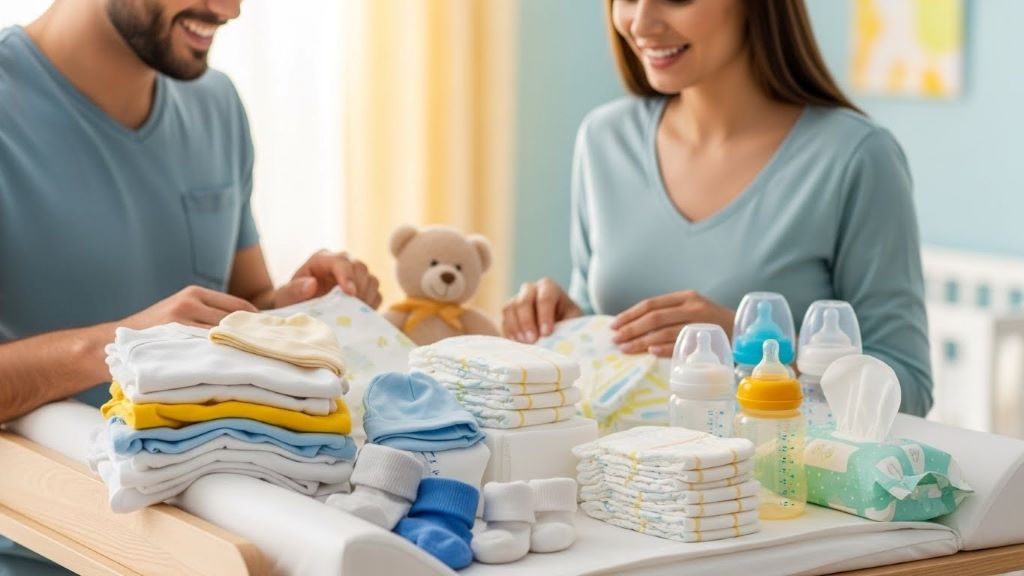
Diaper changes dominate the first year of parenthood. Consequently, having the right supplies makes this frequent task manageable.
You will need diapers in abundance. Newborns go through eight to twelve diapers daily. Stock up on newborn and size one diapers, but avoid buying too many newborn sizes since babies grow quickly. Furthermore, consider trying different brands to find which works best for your baby’s skin.
A changing pad with a washable cover provides a dedicated space for diaper changes. Keep it stocked with diaper cream, unscented wipes, and a diaper pail to contain odors. Additionally, a portable changing pad allows you to change diapers anywhere in your home or on the go.
According to healthychildren.org, maintaining proper diaper hygiene prevents rashes and keeps your baby comfortable throughout the day.
Safe Sleep Solutions
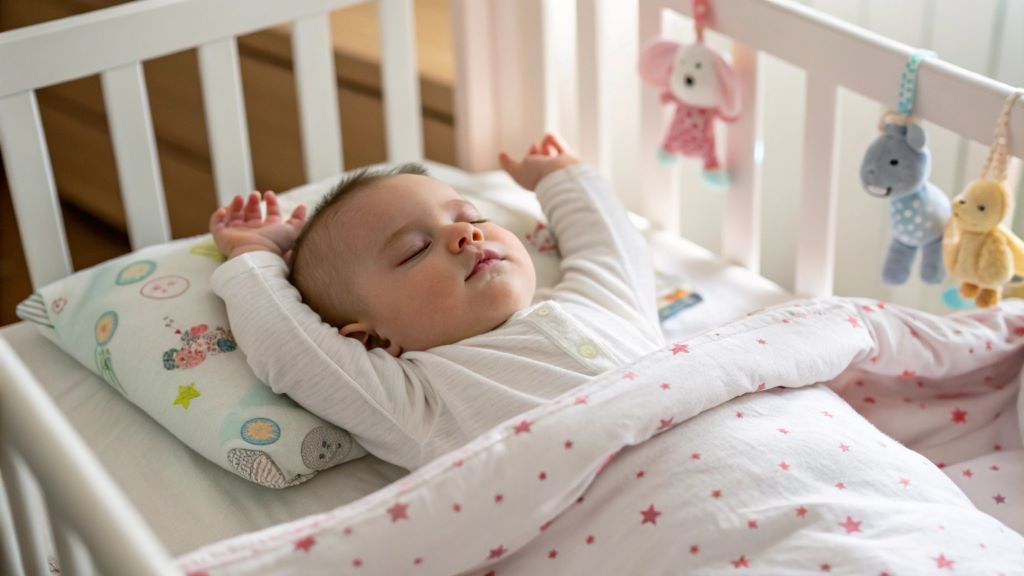
Sleep safety is paramount for newborns. Therefore, investing in proper sleep equipment protects your baby while giving you peace of mind.
A firm crib mattress with a fitted sheet is the foundation of safe sleep. The crib should meet current safety standards with slats no more than 2.375 inches apart. However, keep the crib free of pillows, blankets, bumpers, and stuffed animals to reduce suffocation risks.
Sleep sacks provide warmth without loose blankets. Choose appropriate tog ratings based on your room temperature. Moreover, a reliable baby monitor lets you check on your sleeping infant without entering the room.
Many parents find a bassinet helpful for the first few months. Bassinets allow newborns to sleep in your room, making nighttime feedings more convenient. Additionally, some babies sleep better in the smaller, cozier space a bassinet provides.
White noise machines help many babies sleep longer and more soundly. These devices mask household sounds that might startle your little one awake.
Clothing and Bath Time Basics
Babies need surprisingly simple wardrobes. Nevertheless, having the right clothing items makes daily care easier.
Onesies form the foundation of any baby wardrobe. Buy several in newborn and 0-3 month sizes with snap closures for easy diaper changes. Additionally, you will need sleepers for nighttime, which keep babies warm without separate blankets.
Avoid clothing with complicated fasteners or tight neck openings. Babies have large heads relative to their bodies, therefore stretchy necklines prevent frustration during dressing. Furthermore, mittens prevent newborns from scratching their delicate faces.
Bath time requires only a few key items. A baby bathtub or sink insert provides safe bathing support. You will also need gentle, fragrance-free baby wash, soft washcloths, and hooded towels to keep your baby warm after baths.
Transportation and On-the-Go Gear
Leaving home with a baby requires proper equipment. However, you do not need every gadget advertised to new parents.
A properly installed car seat is legally required and absolutely essential. Infant car seats work from birth until babies outgrow the weight limit, typically around 12 months. Additionally, many car seats click into compatible stroller frames, creating convenient travel systems.
A sturdy stroller makes outings manageable. Choose one that fits your lifestyle, whether you need a jogging stroller, compact umbrella stroller, or full-featured model. Moreover, ensure your stroller reclines fully for newborns who cannot sit up yet.
A quality diaper bag keeps supplies organized when you venture out. Look for multiple compartments, insulated bottle pockets, and a changing pad. Furthermore, consider bags that do not look like traditional diaper bags if style matters to you.
Baby carriers and wraps allow hands-free baby carrying while keeping your infant close. Many parents find these invaluable for soothing fussy babies or completing household tasks.
Health and Safety Must-Haves
Keeping your baby healthy and safe requires several important items. Therefore, stock your home with these essentials before your due date.
A reliable digital thermometer helps you monitor your baby’s health. Forehead or ear thermometers work quickly with minimal disruption. Additionally, keep infant acetaminophen on hand after consulting your pediatrician about appropriate dosing.
Nail clippers or files designed for babies prevent scratching. Baby nails grow surprisingly fast and stay quite sharp. However, many parents find trimming easier while babies sleep.
Saline drops and a bulb syringe or nasal aspirator clear stuffy noses. Babies cannot blow their own noses, therefore these tools provide relief during colds. Moreover, a humidifier maintains comfortable air moisture levels in your baby’s room.
According to the Mayo Clinic, having a well-stocked first aid kit specifically for your baby ensures you are prepared for minor health issues that arise during infancy.
What You Can Wait to Buy
Not everything marketed to new parents is necessary immediately. Some items become useful later or prove unnecessary altogether.
High chairs are not needed until your baby starts solid foods around six months. Similarly, toys and entertainment items matter little to newborns who primarily eat and sleep. Therefore, save your money and space for essentials first.
Shoes are unnecessary until babies walk. Baby feet develop best without restrictive footwear. Additionally, fancy nursery decorations look nice but do not affect your baby’s wellbeing or your daily functioning.
Conclusion
Starting your parenting journey requires careful preparation but not excessive spending. Focus on essential feeding supplies, diapering necessities, safe sleep equipment, basic clothing, reliable transportation gear, and important health items. Additionally, remember that every family’s needs differ slightly based on lifestyle and personal preferences.
By prioritizing these fundamental items, you create a safe, comfortable environment for your newborn. However, remain flexible as you discover what works best for your unique situation. Therefore, trust your instincts and adjust your supplies as needed during those precious early months with your baby.
Frequently Asked Questions
How many diapers should I stock up on before my baby arrives?
Stock approximately 200-300 newborn diapers and 300-400 size one diapers. However, avoid buying too many newborn sizes since some babies outgrow them within weeks. Keep receipts so you can exchange unopened packages if needed.
Do I really need a separate baby bathtub?
While not absolutely essential, baby bathtubs make bathing newborns much safer and easier. Alternatively, you can use a clean kitchen sink with a bath support cushion. Regular bathtubs are difficult to use until babies can sit independently.
Should I buy a wipe warmer for my baby?
Wipe warmers are not necessary for most babies. Room temperature wipes work perfectly fine, and many pediatricians actually recommend against warmers due to potential bacteria growth. Additionally, babies adjust quickly to regular wipes during changes.
How many bottles do I need if I am breastfeeding?
Breastfeeding mothers should have four to six bottles available. This allows for occasional bottle feeding by partners or caregivers and provides options if you need to be away from your baby. Additionally, having backups ensures clean bottles are always available.
When should I install my car seat?
Install your car seat at least three weeks before your due date. This ensures everything is properly secured and gives you time to have the installation checked by a certified technician. Many fire stations and hospitals offer free car seat inspection services.
Related Topics:
Gentle & Safe: Pampers Sensitive Baby Wipes Review
Perfect First Ride: SEREED 4-Wheel Toddler Balance Bike Review