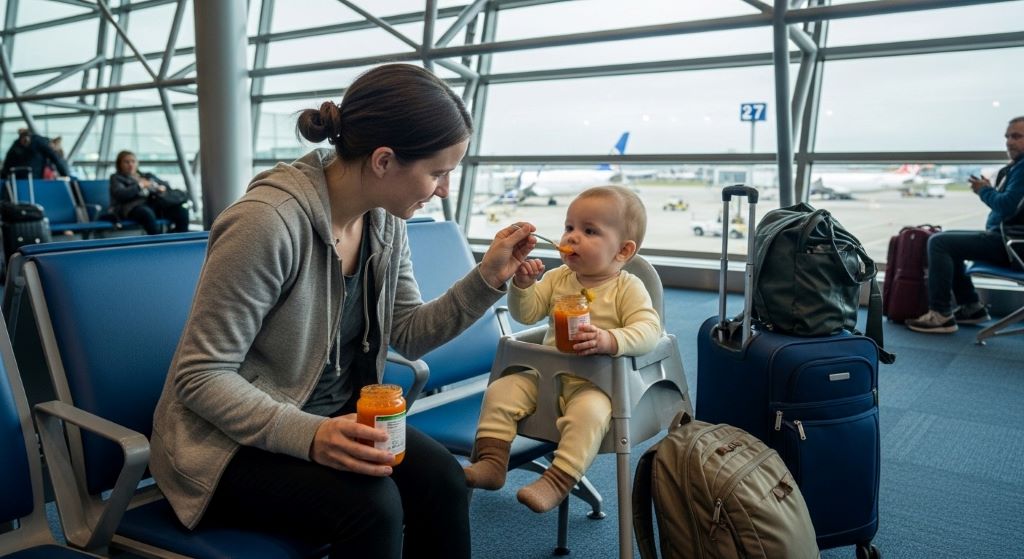
Traveling with a baby can feel overwhelming. You have a lot to pack, a lot to plan, and a very hungry little person to keep happy. However, with the right approach, feeding your baby on the road does not have to be stressful. Baby food jars are one of the most practical tools a traveling parent can use. They are portable, pre-measured, and ready to serve without any cooking required. Additionally, they come in a wide range of flavors and textures to suit every stage of your baby’s development. This article will show you how to make the most of baby food jars when you are away from home.
Why Baby Food Jars Are Perfect for Travel
Baby food jars have been a staple for parents for decades. There is a good reason for that. They are convenient, safe, and easy to use anywhere. When you travel, the last thing you want is to spend time cooking or blending food. Therefore, baby food jars solve this problem instantly.
First, they require no refrigeration until opened. This means you can pack several jars in your diaper bag without worrying about spoilage. Second, they are portion-controlled. Each jar holds just the right amount for one meal, so there is no waste. Third, they are widely available. You can find baby food jars in supermarkets, pharmacies, and even airport convenience stores around the world.
Additionally, the lids seal tightly, which prevents spills during transit. If you are flying, driving, or taking a train, jars are unlikely to open unexpectedly in your bag. This alone makes them a favorite among parents who travel frequently.
Choosing the Right Baby Food Jars for Your Trip
Not all baby food jars are the same. Before your trip, it is important to select options that suit your baby’s age and dietary needs. Most jars are labeled by stage. Stage 1 products are smooth purees for younger babies. Stage 2 offers thicker textures. Stage 3 includes chunkier meals for older babies who are learning to chew.
When packing for travel, try to bring a variety. This keeps mealtimes interesting for your baby. However, stick to flavors your baby already enjoys. Travel is not the best time to introduce new foods, since reactions can be hard to manage away from home. Therefore, familiar tastes are always the safest choice on the road.
Here are some useful tips for choosing jars before a trip:
- Check the expiration date on every jar before packing
- Choose jars with ingredients your baby has already tried
- Pack more jars than you think you will need in case of delays
- Opt for organic or low-sugar varieties when possible
- Include some protein-based jars alongside fruit and vegetable options
How to Pack Baby Food Jars Safely
Packing baby food jars properly is just as important as choosing the right ones. Glass jars can break if not protected. Therefore, always wrap them in soft clothing or place them in padded pouches. Some parents prefer to use a small insulated bag to keep opened jars cool during the journey.
When flying, you are generally allowed to bring baby food jars through airport security. Most countries have exemptions for infant food, even when amounts exceed the standard liquid limit. However, it is wise to check the specific rules of your departure and destination airports in advance. Security officers may ask you to open jars for inspection, so keep them accessible in your carry-on.
Additionally, consider using a small cooler bag if you are traveling by car or train. Once a jar is opened, the food inside should be consumed within two hours if kept at room temperature. If you refrigerate an opened jar, it should be used within 24 hours. Following these guidelines keeps your baby safe from foodborne illness.
Creative Ways to Use Baby Food Jars on the Go
Baby food jars are more versatile than many parents realize. Yes, you can feed straight from the jar. However, there are also creative ways to use them to make meals more enjoyable and nutritious for your baby.
Mixing Jars for Better Nutrition
You can easily mix two jars together to boost nutrition. For example, a vegetable puree jar combined with a meat or lentil jar creates a balanced meal with both protein and vitamins. Similarly, stirring a fruit puree into a plain grain jar adds natural sweetness without any added sugar. This approach gives your baby a more complete meal with minimal effort.
Using Jars as a Sauce or Topping
As your baby grows, you may find yourself feeding them soft finger foods or small pieces of cooked pasta. Baby food jars work wonderfully as sauces in these situations. A tomato and vegetable puree jar can be poured over small pasta pieces for a quick and tasty meal. Therefore, do not think of jars as just standalone meals. They are also excellent additions to simple foods you can source anywhere.
Combining with Snack Foods
Many parents pair baby food jars with simple snack foods like baby rice cakes or puffs. You can use a thick fruit puree as a dip for rice cakes. This adds a fun sensory element to mealtime and encourages self-feeding. It is a great option when you are at a restaurant or picnic and want to keep your baby occupied while you eat.

Keeping Mealtimes Calm and Comfortable While Traveling
Even with perfect food preparation, mealtime can be tricky when you are away from home. Babies thrive on routine, and travel disrupts that routine. However, there are a few simple strategies that help keep feeding time calm.
Try to feed your baby at the same times you normally would at home. Sticking to a loose schedule helps your baby feel more secure. Additionally, bring a portable bib and a small spoon from home. Familiar objects can comfort a baby in an unfamiliar environment.
Find a quiet spot for feeding whenever possible. Busy airports and loud restaurants can overwhelm young babies. Therefore, stepping aside to a quieter area makes a big difference. If you are on a plane, feeding during takeoff and landing can also help ease ear pressure for your baby.
Furthermore, do not stress if your baby eats less than usual while traveling. Disrupted schedules, new environments, and the excitement of movement can reduce appetite. As long as your baby stays hydrated and eats something at each mealtime, there is no need to worry.
Staying Hygienic When Using Baby Food Jars Away from Home
Hygiene is always a priority when feeding babies, but it becomes even more important during travel. You may not always have access to a sink or clean water. Therefore, planning ahead is essential.
Always carry alcohol-free baby-safe hand wipes. Use them to clean your hands before opening any jar. Also wipe down the lid and rim of the jar before serving. This removes any dust or germs that may have accumulated during transport.
Bring a few spare spoons and keep them in a sealed bag. If a spoon falls on the ground, you will have a clean replacement ready. Additionally, never put a used spoon back into the jar. Once a spoon touches your baby’s mouth, bacteria transfer to the food. Feeding from the jar and then storing the leftovers can cause the remaining food to spoil more quickly.
If you need to warm a jar, hot water from a cafe or restaurant is a good option. Simply place the sealed jar in a cup of hot water for a few minutes. Always test the temperature on your wrist before feeding your baby to avoid burns.
What to Do If You Run Out of Baby Food Jars
Delays happen. Luggage gets lost. Unexpected extended trips occur. Therefore, it is smart to have a backup plan if you run out of baby food jars.
Supermarkets in most countries carry commercial baby food. The packaging may look different, but the contents are usually very similar. If you are in a country with a different language, look for simple single-ingredient jars like apple, carrot, or pear. These are easy to identify and safe for most babies.
Additionally, soft cooked foods from restaurants can work in a pinch. Mashed potato, soft-cooked carrots, ripe banana, and plain rice are all safe options for most babies past the early weaning stage. However, avoid adding salt, spices, or sauces from adult meals. These are not suitable for young babies.
Therefore, always carry a list of safe foods that your baby can eat in a simple form. This makes improvising much easier when you are in an unfamiliar place.
Conclusion
Traveling with a baby does not have to mean compromising on nutrition or convenience. Baby food jars are a reliable, safe, and practical solution for feeding your little one wherever you go. They are easy to pack, require no preparation, and come in enough variety to keep every meal interesting.
To make the most of them, choose the right jars for your baby’s age, pack them safely, and follow hygiene best practices throughout your trip. Additionally, get creative by mixing jars, using them as sauces, or pairing them with snack foods. Keeping mealtimes calm and sticking to a loose schedule will also help your baby adjust to the travel environment.
Finally, always have a backup plan in case supplies run low. With a little preparation, every trip can be a smooth and enjoyable experience for both you and your baby.
Frequently Asked Questions
1. Can I bring baby food jars on a plane?
Yes, in most countries you can bring baby food jars on a plane. Infant food is generally exempt from standard liquid restrictions. However, rules vary by country and airline. It is best to check with your specific airline and the airport security guidelines for your route before you travel.
2. How long do opened baby food jars last without refrigeration?
Once a baby food jar is opened, it should be consumed within two hours if kept at room temperature. If refrigerated, it should be used within 24 hours. Never leave opened jars out for extended periods, especially in warm weather.
3. How many baby food jars should I pack for a trip?
As a general rule, pack at least one jar per meal per day, plus a few extra for emergencies. If your baby eats two to three times a day, bring enough for each meal plus two or three backup jars per day of travel. It is always better to have too many than too few.
4. Are baby food jars safe for newborns?
Solid foods, including baby food jars, are not recommended for newborns. Most health guidelines suggest starting solids around six months of age. Before that point, breast milk or formula provides all the nutrition a baby needs. Always consult your pediatrician before introducing solid foods.
5. Can I heat a baby food jar while traveling?
Yes. The easiest way to warm a jar while traveling is to place the sealed jar in a cup of hot water for a few minutes. You can request hot water at cafes, restaurants, or airport lounges. Avoid using microwaves if possible, as they can heat unevenly and create hot spots. Always test the temperature before feeding.
Related Topics:
Must-Have Toys for Six-Month-Olds: A Complete Guide
How to Set Up Sensory Bins for 3 Year Olds on a Budget