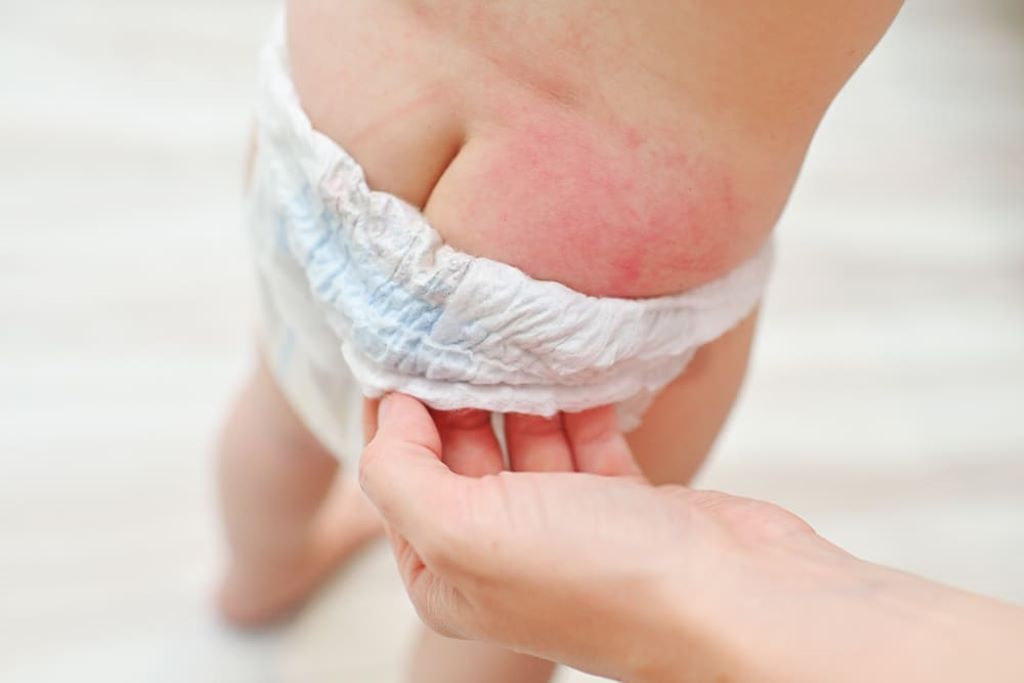
Diaper leaks create frustrating messes for parents and discomfort for babies. However, the right bodysuit can significantly reduce these accidents. Understanding how bodysuits work with diapers helps prevent leaks and keeps babies dry throughout the day.
Understanding Why Diaper Leaks Happen
Diaper leaks occur for several reasons beyond diaper quality. Improper fit causes most accidents, allowing liquid to escape around leg openings or waistbands. Additionally, delays in changing saturated diapers lead to overflow situations.
Baby movement during sleep creates gaps in diaper coverage. Rolling, crawling, and kicking shift diapers out of position. Therefore, bodysuits provide crucial support by keeping diapers properly aligned on baby’s body.
Rapid growth means yesterday’s perfect-fitting diaper might be too small today. Parents should check diaper fit weekly during infant growth spurts. Moreover, different diaper brands fit babies differently despite same-size labeling.
How Bodysuits Create a Leak Prevention System
Bodysuits act as a secondary barrier against diaper leaks. The snug fit around baby’s torso holds diapers in proper position throughout movement. This prevents the shifting that commonly causes gaps and leaks.
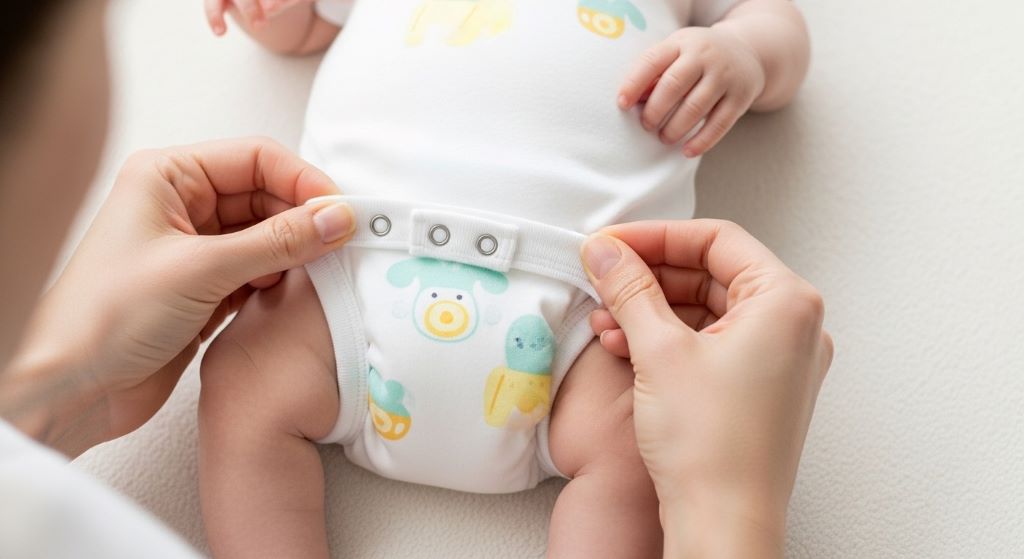
The snap closure at the crotch keeps diapers from sagging. When diapers sag, they create spaces where liquid escapes. However, bodysuits maintain upward pressure that preserves the diaper seal around legs and waist.
Bodysuits also contain minor leaks before they reach outer clothing. The fabric layer absorbs small amounts of escaped moisture. Additionally, the fitted design prevents liquid from spreading across baby’s back or stomach.
Choosing the Right Bodysuit for Leak Prevention
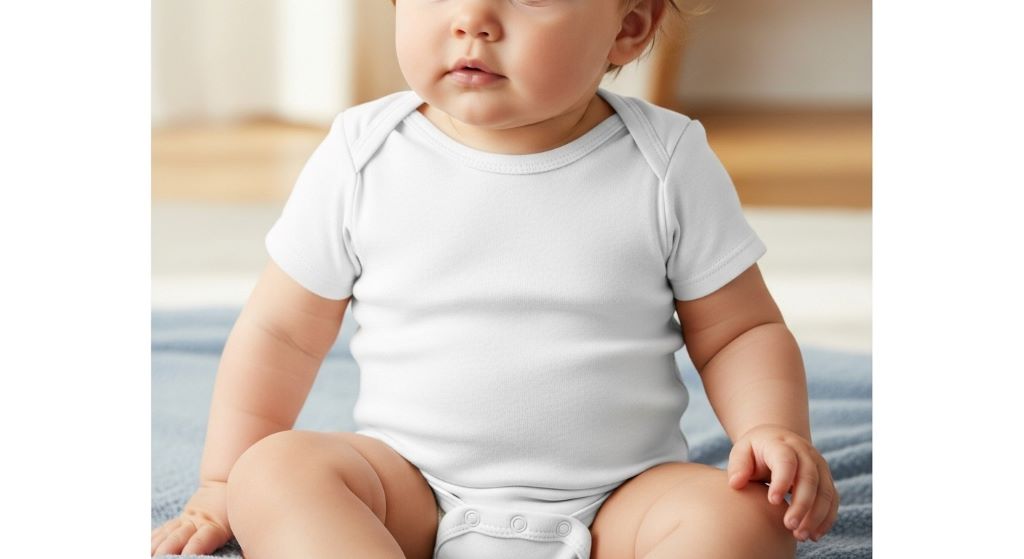
Size matters significantly when selecting leak-preventing bodysuits. Too-loose bodysuits fail to hold diapers properly, while too-tight options cause discomfort and red marks. The bodysuit should fit snugly without restricting movement or breathing.
Check that leg openings sit close to baby’s thighs without cutting into skin. The neckline should allow two adult fingers between fabric and baby’s neck. Therefore, proper sizing balances security with comfort.
Fabric composition affects leak prevention effectiveness. Cotton blends offer breathability while maintaining shape throughout the day. Stretchy materials accommodate movement without losing their supportive properties. Moreover, quality fabrics withstand repeated washing without becoming loose.
Snap placement influences how well bodysuits contain leaks. Three-snap designs provide better adjustability than single-snap styles. Multiple snaps let parents customize the fit as baby grows between clothing sizes.
Proper Bodysuit Application Techniques
Diaper placement before adding the bodysuit determines leak prevention success. First, ensure the diaper sits centered on baby’s bottom with the waistband at belly button level. The back should rise slightly higher than the front.
Pull leg gathers out from being tucked under. These ruffles create seals preventing leg leaks. However, many parents accidentally tuck them inward during diapering. Running fingers around each leg opening fixes this common mistake.
When putting on the bodysuit, start by guiding baby’s legs through first. Pull the bodysuit up gently, checking that it hasn’t bunched the diaper. Additionally, verify the diaper waistband remains visible above the bodysuit’s bottom edge.
Snap the crotch snaps from back to front for easier alignment. Avoid snapping too tightly, which can compress the diaper and reduce absorbency. The bodysuit should feel secure without causing the diaper to bunch or fold.
Layering Strategies for Maximum Protection
Double diapering provides extra protection during long car rides or nighttime sleep. Place a smaller diaper inside a larger one for extended absorbency. Therefore, the bodysuit holds both layers securely in position.
Overnight, consider adding a diaper cover over the regular diaper before snapping the bodysuit. Waterproof covers catch leaks that escape the primary diaper. The bodysuit then holds everything together as baby moves during sleep.
For particularly active babies, fitted pants over the bodysuit add another containment layer. This creates a four-layer system: diaper, bodysuit, diaper cover, and pants. However, this approach works best for cooler weather to prevent overheating.
According to Parents magazine, proper diaper fit combined with supportive clothing prevents up to 80 percent of leak incidents.
Nighttime Leak Prevention with Bodysuits
Nighttime leaks challenge parents because babies sleep for extended periods. Longer sleep means fuller diapers and more opportunities for leaks. Additionally, sleeping positions create pressure points that force liquid out.
Size up diapers for nighttime use even if daytime diapers fit perfectly. The extra absorbency capacity handles the longer duration between changes. Moreover, slightly larger diapers accommodate the bodysuit layer without becoming compressed.
Choose bodysuits with envelope shoulders for nighttime wear. These special shoulder designs allow easy removal downward if leaks occur. Therefore, parents avoid pulling soiled fabric over baby’s head during nighttime changes.
Long-sleeve bodysuits prevent babies from touching leaked moisture during sleep. The covered arms stop them from spreading wetness across their face or bedding. However, monitor room temperature to prevent overheating with added coverage.
Adjusting for Different Baby Ages
Newborns require especially careful bodysuit selection because their proportions differ from older babies. Newborn bodysuits should have extra room in the diaper area to accommodate frequent changes. Additionally, kimono-style bodysuits eliminate pulling fabric over delicate newborn heads.
Crawling babies need bodysuits that stretch with their movement. Look for fabrics with four-way stretch that move as baby explores. The increased mobility means standard bodysuits may ride up, so size up if needed.
Toddlers learning to walk experience different leak patterns than younger babies. Their upright position changes how diapers sit on their bodies. Therefore, bodysuits with longer torsos prevent gaps that appear when toddlers bend and reach.
Standing babies benefit from bodysuits with reinforced snap areas. The constant up-and-down movement stresses snap closures. Quality construction prevents snaps from tearing loose and compromising the leak barrier.
Fabric Care for Maintaining Leak Prevention
Proper washing maintains bodysuit elasticity and leak-preventing properties. Wash bodysuits in warm water with baby-safe detergent. Hot water can break down elastic fibers over time, reducing the snug fit that prevents leaks.
Avoid fabric softener on bodysuits used for leak prevention. Softeners coat fibers and reduce fabric’s ability to wick moisture. Additionally, they can decrease the slight absorbency that helps contain minor leaks.
Air drying preserves elastic better than machine drying. However, if using a dryer, choose low heat settings. High heat degrades elastic waistbands and leg openings. Therefore, bodysuits lose their leak-preventing snugness faster.
Inspect bodysuits regularly for stretched-out areas. When snap areas become loose or leg openings lose elasticity, retire those bodysuits. Worn-out bodysuits cannot hold diapers properly regardless of other prevention measures.
Troubleshooting Persistent Leak Problems
If leaks continue despite proper bodysuit use, reassess diaper size first. Babies often need to size up before obvious signs appear. Weight gain of just one pound can necessitate a larger diaper size.
Check for diaper compression from too-tight bodysuits. Compressed diapers cannot absorb their full capacity. Loosen snaps or size up bodysuits if you notice diaper bunching or folding.
Consider switching diaper brands if leaks persist with correctly sized bodysuits. Different brands fit different body types better. Therefore, trying three to four brands helps identify the best option for your baby’s shape.
Increase changing frequency if leaks happen with proper fit and quality products. Some babies produce more urine than average absorbency handles. Additionally, growth spurts temporarily increase output requiring more frequent changes.
According to The Bump, most persistent leak issues resolve by addressing fit problems rather than switching to more expensive diaper brands.
Special Considerations for Different Situations
Swimming requires special bodysuits designed for pool use. Regular bodysuits become waterlogged and fail to support swim diapers. Swim-specific bodysuits use quick-dry materials that maintain shape when wet.
Cold weather allows multiple bodysuit layers for enhanced leak protection. A regular bodysuit under a heavier long-sleeve version creates two barriers. However, check frequently for overheating when layering.
Hot weather makes leak prevention challenging because fewer layers are comfortable. Choose lightweight, breathable bodysuits that still fit snugly. Additionally, change diapers more frequently since heat increases fluid intake and output.
Travel situations benefit from bringing extra bodysuits beyond typical needs. Unfamiliar water, different foods, and schedule disruptions can increase leak likelihood. Therefore, pack double the usual number of backup bodysuits.
Budget-Friendly Leak Prevention Tips
Buy bodysuits in multi-packs during sales for better value. Having sufficient quantity ensures always having clean, unstretched options available. Additionally, bulk purchases reduce per-item costs significantly.
Generic brand bodysuits often perform comparably to expensive versions for leak prevention. Focus on fit and fabric quality rather than brand names. Therefore, test affordable options before investing in premium products.
Accept hand-me-down bodysuits only if elastic remains strong. Check leg openings and waistbands carefully for signs of wear. Stretched-out hand-me-downs cannot prevent leaks effectively regardless of their condition otherwise.
Extend bodysuit life by rotating through your collection evenly. Using the same favorites repeatedly wears them out faster. Moreover, even rotation maintains consistent leak prevention across all bodysuits.
Conclusion
Preventing diaper leaks with baby bodysuits requires proper sizing, correct application, and quality fabric care. Bodysuits create essential support systems that hold diapers in optimal position throughout baby’s active day and night. Additionally, understanding how bodysuits work with diapers helps parents troubleshoot persistent leak problems effectively. Therefore, investing time in proper bodysuit selection and use significantly reduces frustrating accidents while keeping babies comfortable and dry.
Frequently Asked Questions
What type of bodysuit works best for preventing nighttime diaper leaks?
Long-sleeve bodysuits with envelope shoulders and three-snap crotch closures work best for nighttime leak prevention. The snug fit holds overnight diapers in place while envelope shoulders allow easy removal if leaks occur without pulling over baby’s head.
Should I size up bodysuits to prevent diaper leaks?
Only size up if the current size is too tight and compressing the diaper. Properly fitted bodysuits should be snug but not restrictive. Too-large bodysuits lose their ability to hold diapers securely, actually increasing leak risk.
How many bodysuits do I need to effectively prevent leaks?
Keep at least 8-10 bodysuits in rotation for optimal leak prevention. This ensures always having clean options with strong elastic available. Additionally, having extras prevents using worn-out bodysuits that no longer provide proper diaper support.
Can bodysuits alone prevent all diaper leaks?
Bodysuits significantly reduce leaks but work best combined with properly fitted diapers and timely changes. They provide crucial support and containment but cannot compensate for oversaturated or incorrectly sized diapers. Therefore, use bodysuits as part of a complete leak prevention strategy.
How often should I replace bodysuits used for leak prevention?
Replace bodysuits when elastic around legs or snap areas becomes visibly stretched or loose. Most bodysuits last 2-3 months with regular washing before losing effectiveness. However, quality construction and proper care can extend this timeframe significantly.
Related Topics:
How Long Can a Baby Stay in a Poopy Diaper
What is Considered a Wet Diaper: Everything You Need to Know