Every new parent has asked the same question at some point. When do you stop burping a baby after each feeding? It seems like a simple question, but the answer is more nuanced than most people expect. Burping is an important part of feeding, but it does not last forever.
However, knowing exactly when to stop can feel confusing. Babies change quickly in their first year. What works for a newborn may not be necessary for a four-month-old. Therefore, understanding why burping matters and how babies grow out of the need for it will help you make the right call for your child.
This article will guide you through everything you need to know. From why babies need burping to the clear signs that they no longer do, you will feel more confident after reading this.
Why Burping a Baby Matters in the First Place
Before you can decide when to stop, it helps to understand why burping is necessary. When babies feed, they naturally swallow air along with milk. This happens whether they are breastfed or bottle-fed. The air collects in the stomach and causes discomfort.
This trapped air can make a baby feel full even when they have not eaten enough. It can also cause them to spit up, fuss, or cry. Burping helps release that air before it causes problems. Therefore, it directly affects how comfortable and settled your baby feels after a meal.
Additionally, some babies swallow more air than others. Bottle-fed babies tend to swallow more air because of the way they latch onto a bottle nipple. Babies who feed quickly or have a strong latch may also take in more air. Knowing this helps you understand why some babies need more burping than others.
How Burping Needs Change as Your Baby Grows
Newborns need the most help with burping. Their digestive systems are immature, and they have very little muscle control. They cannot move air through their bodies on their own easily. Therefore, parents need to do the work for them after every feeding.
As babies grow, things change significantly. Their digestive systems become stronger and more efficient. They develop better muscle tone in their abdominal area. This means they can move gas through their bodies more naturally. Over time, the need for manual burping decreases.
Most pediatricians agree that babies begin to need less help with burping around the age of four to six months. However, every baby is different. Some babies may stop needing burping as early as three months. Others may still benefit from it at seven or eight months. Therefore, it is important to follow your baby’s cues rather than relying solely on a fixed timeline.
Signs That Your Baby Still Needs to Be Burped
There are clear signs that your baby still needs help with burping after feedings. Recognizing these signs will help you avoid stopping too soon.
Fussiness and Crying After Feeding
If your baby becomes fussy or starts crying shortly after eating, trapped air could be the cause. This type of crying often sounds different from hunger cries. It tends to be more uncomfortable and frustrated. Additionally, the baby may pull up their legs or arch their back. These are common signs of gas pain.
Frequent Spitting Up
Some spitting up is completely normal for babies. However, if your baby spits up a lot after every feeding, air in the stomach may be pushing the milk back up. Burping after meals can help reduce this. Therefore, if spitting up is a regular issue, continue burping until it improves.
Difficulty Settling After Feeding
Babies who have trapped gas often have a hard time falling asleep or calming down after eating. They may squirm, grunt, or seem restless. If your baby consistently has trouble settling after meals, keep up the burping routine. It can make a noticeable difference in their comfort level.
A Visibly Distended or Hard Stomach
Sometimes you can actually see or feel that a baby’s belly looks swollen or feels firm. This can be a sign of trapped gas. Additionally, the baby may grunt or strain as if trying to pass gas. In these cases, continue burping and consider gentle tummy massages to help move things along.
Signs That Your Baby No Longer Needs to Be Burped
Just as there are signs that burping is still needed, there are equally clear signs that your baby has moved past that stage. Knowing these signs will help you stop at the right time without second-guessing yourself.
Your Baby Settles Easily After Feeding
One of the strongest signs that burping is no longer needed is when your baby consistently calms down quickly after eating. If they finish a feeding and seem comfortable without any fussiness, gas pain is likely not an issue for them anymore. Therefore, you can start tapering off the burping routine gradually.
No More Frequent Spitting Up
As babies develop and their lower esophageal sphincter matures, spitting up naturally decreases. If you notice that your baby is spitting up much less than before, this is a good sign that their digestive system is handling air on its own. Additionally, less spitting up usually means less air is getting trapped in the first place.
Your Baby Releases Gas Independently
By around four to six months, many babies begin to pass gas on their own without help. You may notice them burping or passing gas naturally without any prompting. This is a clear sign that their body is managing air movement effectively. Therefore, continuing to burp them manually may no longer be necessary.
Your Baby Shows No Discomfort After Eating
Comfort after feeding is the clearest indicator of all. If your baby finishes eating and looks relaxed, happy, and content, their digestive system is doing its job. There is no fussing, no crying, and no visible stomach discomfort. This is the strongest signal that the burping stage has passed for your child.

The General Age Range When Most Babies Stop Needing Burping
While every baby is unique, there is a general window that most parents can use as a rough guide. Most babies no longer need to be burped after feedings by the time they are four to six months old. This is the age range that most pediatricians and lactation consultants point to.
However, some babies may reach this milestone earlier. Others may take a little longer. If your baby is six months old and still seems uncomfortable without burping, there is no harm in continuing. Burping is gentle and carries no risks. Therefore, it is always better to continue a little longer than to stop too soon and cause unnecessary discomfort.
Additionally, the introduction of solid foods around six months can also play a role. Eating solid food changes how the digestive system works. Many parents notice that once solids are introduced, the need for burping after milk feedings decreases even further.
Breastfed vs. Bottle-Fed Babies: Are There Differences?
Yes, there are some differences in burping needs between breastfed and bottle-fed babies. Understanding these differences can help you tailor your approach.
Breastfed Babies
Breastfed babies tend to swallow less air during feeding. This is because breastfeeding involves a direct latch that naturally controls milk flow and air intake. Additionally, breast milk flows at a pace that matches the baby’s sucking rhythm more naturally. Therefore, breastfed babies may need less frequent or intense burping. However, they still benefit from being burped, especially in the early months.
Bottle-Fed Babies
Bottle-fed babies typically swallow more air. The flow rate of a bottle can be faster than a natural latch, which causes babies to gulp. Additionally, the bottle nipple design can allow air bubbles to enter the mouth. Therefore, bottle-fed babies usually need more consistent and thorough burping after each feeding. They may also need mid-feeding burps in addition to the one after the feeding is complete.
Regardless of feeding method, the signs and timeline for stopping burping remain largely the same. Follow your baby’s behavior rather than the feeding method alone.
How to Burp a Baby Effectively Before You Stop
While you are still in the burping stage, it helps to use effective techniques. There are three main positions most parents use.
The three most common and effective burping positions are:
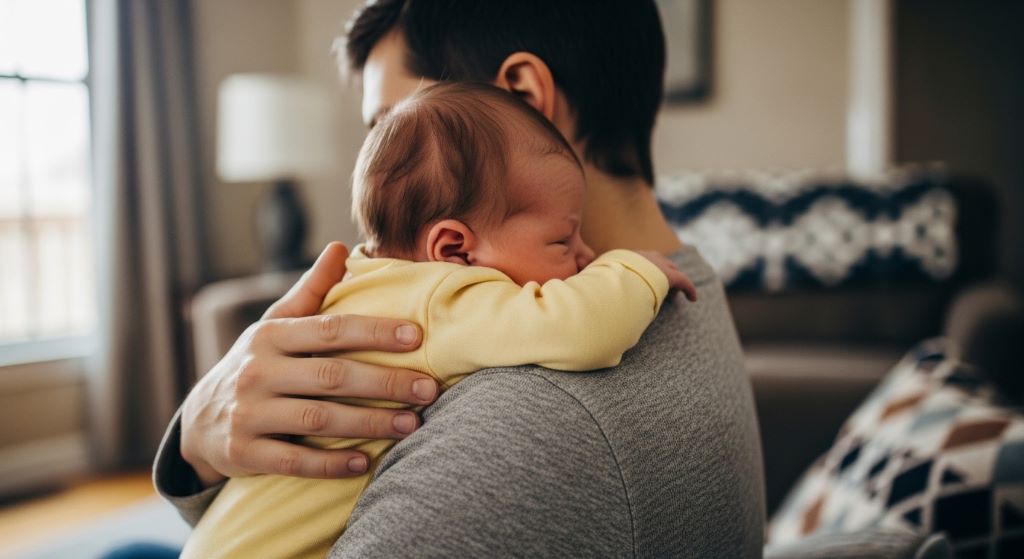
- Over the shoulder: Hold your baby upright against your chest with their chin resting on your shoulder. Support their bottom with one hand and gently pat or rub their back with the other.
- Sitting upright on your lap: Sit your baby on your lap facing away from you. Support their chest and chin with one hand while gently patting their back with the other.
- Face down across your lap: Lay your baby face down across your knees. Support their head so it is slightly higher than their chest. Gently pat or rub their back.
Each position works differently for different babies. Additionally, some babies burp better with gentle patting, while others respond more to a slow circular rub. Experiment to find what works best for your child.
Furthermore, timing matters too. For most babies, burping mid-feeding and again at the end of the feeding is the most effective approach. This is especially true for bottle-fed babies who tend to eat quickly.
What Happens If You Stop Burping Too Early?
Stopping burping before your baby is ready can lead to discomfort. The most common result is increased fussiness after meals. Your baby may cry more, have trouble settling, or spit up more frequently. None of these are dangerous, but they are uncomfortable for your baby and stressful for you.
However, this is an easy mistake to correct. If you stop burping and notice your baby becoming more unsettled after feedings, simply resume the routine. There is no harm in going back to burping for a few more weeks. Therefore, think of it as a flexible transition rather than a hard stop.
Additionally, every baby’s digestive system develops at its own pace. Comparing your baby to other babies or to online timelines can be misleading. Trust the signs your specific child is giving you.
Tips for Making the Transition Away from Burping Smooth
When you feel ready to start reducing burping, there are a few strategies that can make the transition easier and less stressful.
- Taper gradually: Instead of stopping all at once, try burping only at the end of the feeding instead of mid-feeding and at the end. Then slowly phase out the end-of-feeding burp too.
- Watch and wait: After a feeding, keep your baby upright for five to ten minutes before putting them down. This allows any swallowed air to rise naturally.
- Monitor comfort levels: Pay close attention to how your baby behaves after each feeding. If they remain settled and comfortable, the transition is going well.
- Trust your instincts: You know your baby better than anyone. If something feels off, do not hesitate to go back to burping for a little longer.
- Consult your pediatrician: If you are ever unsure, ask your baby’s doctor. They can offer personalized guidance based on your child’s growth and development.
When to Talk to Your Doctor About Gas and Burping
In most cases, burping is a simple and effective way to manage infant gas. However, there are times when gas discomfort may signal something more. It is worth speaking with your pediatrician if you notice any of the following.
- Your baby cries inconsolably after every feeding despite regular burping.
- Spitting up is very forceful or projectile in nature, as this could indicate reflux.
- Your baby is not gaining weight as expected.
- Your baby seems to be in significant pain, arches their back frequently, or refuses to eat.
- You notice blood in the spit-up or stool, which always warrants immediate medical attention.
These situations are not caused by burping habits, but they can sometimes be mistaken for simple gas issues. Therefore, getting a professional opinion can provide peace of mind and ensure your baby is healthy.
Conclusion
Deciding when to stop burping a baby after each feeding is not something that happens on a fixed date. It is a gradual process guided by your baby’s development and behavior. Most babies no longer need burping by the time they are four to six months old. However, some may need it a little earlier or later.
The key signs to watch for include your baby settling easily after feedings, reduced spitting up, and the ability to release gas independently. On the other hand, continued fussiness, frequent spitting up, and visible stomach discomfort are signs that burping should continue.
Additionally, whether your baby is breastfed or bottle-fed will influence how much air they swallow and how long burping remains necessary. Therefore, it is always best to follow your baby’s individual cues rather than a strict schedule.
As with all aspects of parenting, patience and observation are your best tools. Trust yourself, stay flexible, and know that this stage passes quickly. Before long, your baby will be managing on their own, and burping will simply become a warm memory of the early days.
Frequently Asked Questions
1. At what age do most babies stop needing to be burped?
Most babies stop needing to be burped between four and six months of age. By this time, their digestive muscles have developed enough to move air through their bodies on their own. However, some babies may reach this point earlier or a little later. Therefore, always pay attention to your baby’s behavior rather than relying only on age as a guide.
2. Is it okay to put a baby down without burping them?
It is generally fine to skip a burp if your baby seems comfortable and shows no signs of gas after feeding. However, for younger babies under four months, it is usually best to try burping before laying them down. If they fall asleep during a feeding and seem settled, you can carefully lay them down without forcing a burp. Just make sure to place them on their back as always.
3. What if my baby never burps when I try?
Some babies simply do not burp often, and that is perfectly normal. Not every feeding results in a burp. If your baby seems comfortable and content after eating, a burp may not have been needed. Additionally, trying different burping positions can help on days when a burp seems hard to bring up. If your baby is consistently uncomfortable despite your best efforts, consult your pediatrician.
4. Do breastfed babies need to be burped as often as bottle-fed babies?
Generally, breastfed babies swallow less air than bottle-fed babies and may not need burping as frequently. However, it still helps to burp them, especially in the newborn stage. Bottle-fed babies tend to need more consistent burping because the flow of milk from a bottle can cause them to swallow more air. Regardless of feeding method, watch your baby’s comfort level as the main guide.
5. Can skipping burping cause colic in babies?
Skipping burping does not directly cause colic, but it can contribute to gas discomfort that makes a colicky baby feel worse. Colic is generally defined as excessive crying in an otherwise healthy baby and has several possible causes. However, reducing trapped air through regular burping can help ease some of the discomfort associated with colic. Therefore, keeping up a consistent burping routine during the early months is always a good idea.
Related Topics:
The Game-Changing Dreft Laundry Detergent Pacs Lavender – Gentle XL 45-Count for Babies & Family You Didn’t Know You Needed
Mama Bear Fragrance-Free Baby Wipes: The Gentle Solution Every Parent Needs