Choosing the right baby blanket size can feel overwhelming for new parents. However, understanding the standard dimensions and appropriate sizes for each stage of your baby’s development makes the selection process much easier. This guide provides comprehensive information about baby blanket sizes based on age and developmental milestones.
Understanding Baby Blanket Sizes
Baby blankets come in various sizes designed for different purposes and age ranges. Therefore, knowing which size suits your needs helps ensure your baby’s comfort and safety. Most manufacturers follow industry-standard measurements, making it simpler to find the perfect fit.
The size of a blanket affects its functionality. Smaller blankets work well for swaddling newborns, while larger options provide coverage for toddlers. Additionally, the intended use determines the ideal dimensions you should consider.
Newborn Baby Blankets (0-3 Months)
Receiving Blankets
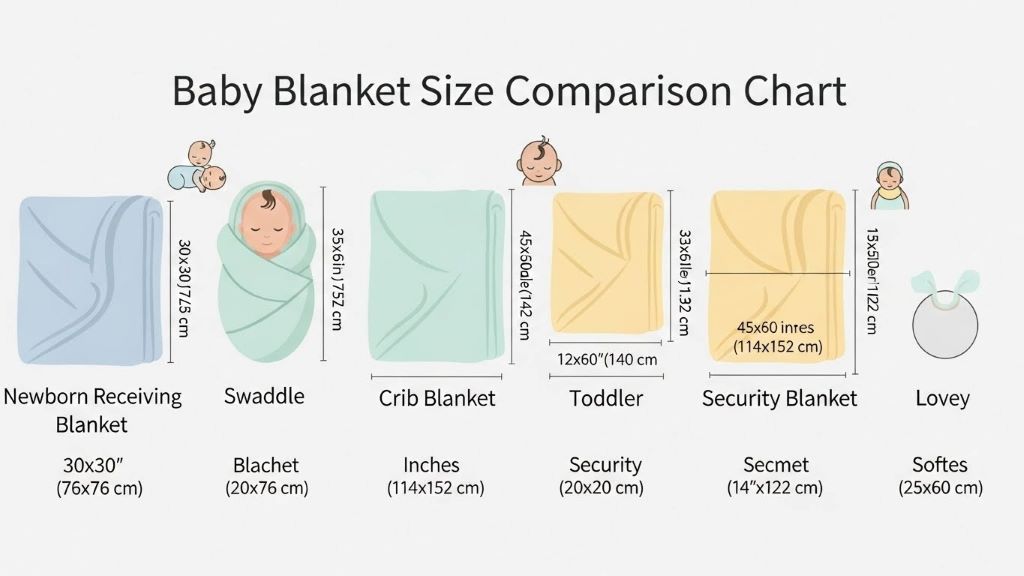
Receiving blankets typically measure 30 by 30 inches or 30 by 40 inches. These lightweight blankets are perfect for wrapping newborns during their first months. New parents often receive several of these versatile blankets at baby showers.
These blankets serve multiple purposes beyond swaddling. You can use them as burp cloths, changing pad covers, or light covers during warmer weather. Their compact size makes them easy to fold and pack in diaper bags.
Swaddle Blankets
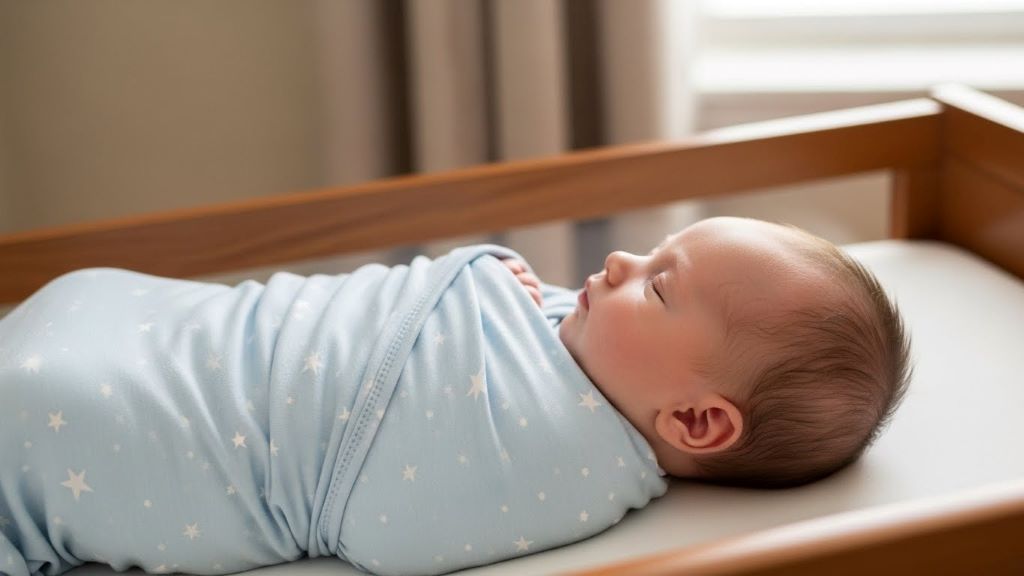
Swaddle blankets range from 40 by 40 inches to 47 by 47 inches. The square shape allows for proper swaddling technique, which helps soothe fussy babies. Many pediatricians recommend swaddling during the first few months to promote better sleep.
According to the American Academy of Pediatrics, safe swaddling practices can help reduce the risk of SIDS when done correctly. Therefore, choosing an appropriately sized swaddle blanket is essential for your baby’s safety and comfort.
Baby Blankets for 3-6 Months
Standard Crib Blankets
Standard crib blankets measure approximately 30 by 40 inches or 36 by 52 inches. These blankets provide adequate coverage for babies who have outgrown swaddling. However, safety guidelines recommend keeping blankets out of the crib until babies reach 12 months of age.
During this stage, you can use crib blankets for supervised tummy time or as play mats. The larger surface area gives your baby room to move and explore. Additionally, these blankets work well for stroller rides and car seat coverage.
Security Blankets
Security blankets, also called loveys, typically measure 12 by 12 inches to 18 by 18 inches. These small blankets often feature attached stuffed animal heads or textured fabrics. Babies around 4-6 months begin forming attachments to comfort objects.
The compact size prevents suffocation hazards while still providing tactile comfort. Many parents introduce security blankets during this developmental stage. Consequently, babies develop positive associations with these special items.
Blankets for 6-12 Month Old Babies
Multi-Purpose Baby Blankets
Multi-purpose blankets range from 30 by 40 inches to 40 by 60 inches. These versatile options accommodate growing babies who need more coverage. Parents appreciate having blankets that serve various functions throughout the day.
These blankets work perfectly for floor play, picnics, and light coverage during naptime. The increased size allows babies to roll and move freely. Moreover, the dimensions make them suitable for use well into toddlerhood.
Stroller Blankets
Stroller blankets typically measure 30 by 30 inches or 30 by 40 inches. These blankets provide warmth during outdoor excursions without overwhelming your baby. The manageable size prevents excess fabric from getting caught in stroller wheels.
Lightweight materials make stroller blankets ideal for year-round use. You can easily adjust the coverage based on weather conditions. Furthermore, many stroller blankets fold compactly for convenient storage.
Toddler Blankets (12-24 Months)
Transition Blankets
Transition blankets measure between 40 by 50 inches and 40 by 60 inches. These larger blankets bridge the gap between baby blankets and twin-size bedding. Toddlers appreciate having more coverage as they become more active during sleep.
The increased dimensions accommodate toddlers who move around frequently at night. Parents can safely introduce these blankets into cribs after the first birthday. Additionally, these blankets work well for toddler beds and floor activities.
Nap Blankets
Nap blankets for daycare or preschool typically measure 40 by 50 inches. Many childcare facilities require specific blanket sizes for storage convenience. These blankets provide familiar comfort during rest time away from home.
Durable materials withstand frequent washing required in group care settings. The standardized size ensures blankets fit properly on standard nap mats. Therefore, checking with your childcare provider about size requirements proves beneficial.
Special Considerations When Choosing Baby Blanket Sizes
Climate and Season
Your local climate significantly influences blanket size selection. Warmer regions require lighter, smaller blankets for temperature regulation. Conversely, colder climates necessitate larger, warmer options for adequate coverage.
Seasonal changes also affect blanket needs throughout the year. Having multiple sizes and weights ensures your baby stays comfortable regardless of temperature. Many parents maintain seasonal rotations of their blanket collections.
Growth Spurts and Development
Babies experience rapid growth during their first two years. Therefore, purchasing slightly larger blankets provides extended usability. However, avoid blankets that are excessively large, as they can pose safety hazards.
Developmental milestones influence blanket size requirements as well. Rolling, crawling, and walking babies need different coverage than stationary newborns. Observing your baby’s movement patterns helps determine appropriate sizes.
Material and Weight
Blanket material affects perceived size and functionality. Stretchy fabrics like jersey knit provide more coverage than their measurements suggest. Conversely, rigid fabrics may feel smaller than advertised dimensions indicate.
Weight also impacts how blankets drape and provide warmth. Heavier materials work better for larger blankets intended for older babies. Lightweight options suit smaller blankets designed for newborns and young infants.
Safety Guidelines for Baby Blanket Use
Sleep Safety Recommendations
The Consumer Product Safety Commission emphasizes keeping soft bedding out of cribs for babies under 12 months. This guideline reduces suffocation and SIDS risks significantly. Parents should use sleep sacks as alternatives to loose blankets during this period.
Once babies reach their first birthday, you can gradually introduce appropriately sized blankets. Start with lightweight options and monitor your child’s comfort and safety. Always ensure blankets allow for easy breathing and movement.
Supervision and Monitoring
Supervised use of blankets during awake time is safe at any age. Floor play, tummy time, and outdoor activities provide opportunities for blanket use. However, always remain nearby to ensure your baby’s safety.
Regular inspection of blankets for wear and damage prevents potential hazards. Loose threads, holes, or fraying edges require immediate attention or replacement. Maintaining blanket quality ensures ongoing safety for your growing child.
Popular Baby Blanket Size Chart Summary
Here is a quick reference guide for baby blanket sizes by age:
Newborn to 3 months: 30×30 to 47×47 inches (receiving and swaddle blankets)
3 to 6 months: 30×40 to 36×52 inches (crib blankets for supervised use)
6 to 12 months: 30×40 to 40×60 inches (multi-purpose blankets)
12 to 24 months: 40×50 to 40×60 inches (toddler blankets)
Conclusion
Selecting the appropriate baby blanket size ensures your child’s comfort and safety throughout their early years. Newborns need smaller receiving and swaddle blankets measuring 30 to 47 inches. As babies grow, larger options ranging from 40 to 60 inches provide adequate coverage for active toddlers. Always prioritize safety guidelines when introducing blankets into sleep environments. Understanding these size standards helps parents make informed purchasing decisions that accommodate their baby’s changing needs. Ultimately, having various sizes on hand ensures you are prepared for every stage of your child’s development.
Frequently Asked Questions
What size blanket is best for a newborn?
For newborns, receiving blankets measuring 30×30 or 30×40 inches work perfectly for everyday use. Swaddle blankets should be larger, around 40×40 to 47×47 inches, to allow proper wrapping technique. These sizes provide adequate coverage without excess material that could pose safety concerns.
When can I safely use a blanket in my baby’s crib?
Pediatricians recommend waiting until your baby is at least 12 months old before introducing blankets into the crib. Before this age, use sleep sacks or wearable blankets instead. Once your baby turns one, you can gradually introduce lightweight, appropriately sized blankets for sleep.
How many baby blankets do I need?
Most parents find that having 4-6 blankets of various sizes works well. This quantity allows for rotation during laundry cycles and accommodates different uses throughout the day. Consider having at least two swaddle blankets, two receiving blankets, and two larger multi-purpose blankets.
What is the difference between a receiving blanket and a swaddle blanket?
Receiving blankets are smaller, typically 30×30 or 30×40 inches, and serve multiple purposes like burping and light covering. Swaddle blankets are larger, usually 40×40 to 47×47 inches, specifically designed for wrapping babies snugly. The square shape of swaddle blankets makes proper swaddling technique easier to achieve.
Do blanket sizes vary by brand?
Yes, blanket sizes can vary slightly between manufacturers, though most follow industry standards. Always check specific measurements listed on product packaging rather than relying solely on category names. Some brands offer oversized or undersized options, so reviewing dimensions before purchasing ensures you get the size you need.
Related Topics:
Gentle & Fresh: Huggies Natural Care Baby Wipes Review
Gentle & Fresh: Huggies Simply Clean Wipes Review for Babies